

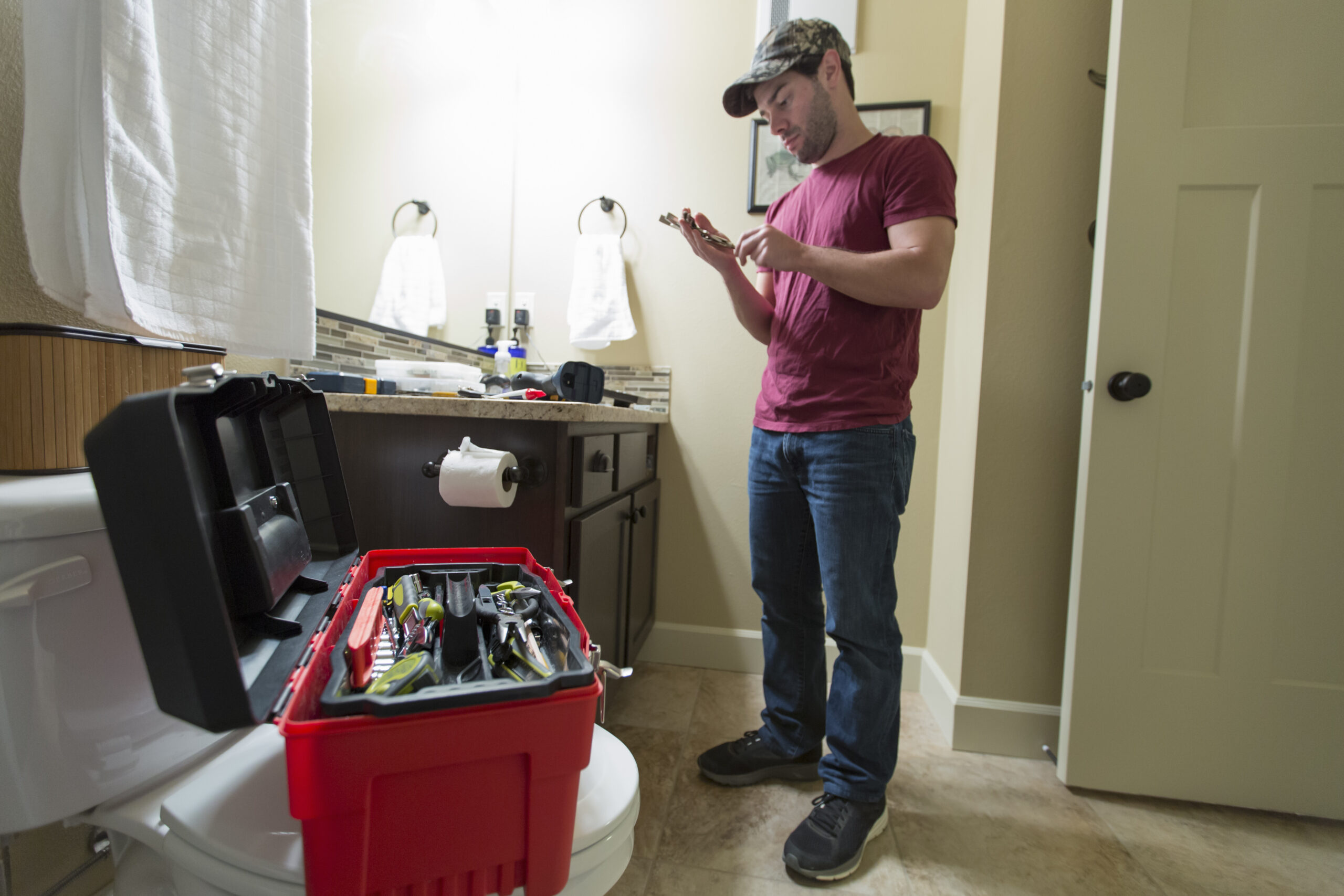
Your bathroom takes a real beating every day from showers, handwashing, and flushes. Clues like a dripping faucet, a running toilet, or a sluggish shower drain may indicate that your plumbing needs attention. These little issues can add up to a much higher water bill.
Minor plumbing issues waste hundreds of gallons of water each year and damage subfloors long before puddles appear. Beyond higher water bills, they force early equipment replacement and mold cleanup. This guide highlights warning signs to look for and how Plumbing Solutions LLC’s expert repairs safeguard your home.
Money-Wasting Bathroom Symptoms Homeowners Often Ignore
Plumbing problems rarely start with a bang; they begin with a whisper. You might notice these subtle changes weeks before a pipe bursts or a drain completely backs up.
- Slow Drains That Never Fully Clear: Standing water collects around your feet when showering, or it takes an eternity to drain from the sink basin.
- Constantly Running or “Ghost Flushing” Toilets: This occurs when the tank refills randomly, with no apparent purpose, even when no one has used the toilet.
- Dripping Showerheads or Tub Spouts: A constant drip that persists long after you have turned off the faucet.
- Low Water Pressure in Showers or Sinks: The water flow feels weak or uneven compared to other faucets in the house.
- Warm or Damp Spots on Floors or Walls: You feel heat radiating from a wall or notice a soft spot on the floor near the tub.
- Musty Smells, Bubbling Paint, or Discolored Grout: Signs that moisture is escaping and soaking into nearby materials.
Ignoring these minor signs can lead to wallet-draining disasters. Catch them early with a Plumbing LLC inspection and keep your bills in check.
Showers and Tubs That Waste Water (and Comfort)
- Dripping Showerheads and Tub Spouts: That little drip might not seem like a big deal, but it wastes 500+ gallons a year and spikes bills. Worn cartridges, bad diverters, or hard water ruin seals; we swap parts fast or upgrade old fixtures for a longer-lasting fix.
- Low Shower Pressure and Uneven Flow: Weak shower pressure when the kitchen sink works fine? Local mineral clogs, stuck valves, or line debris may be the cause. We diagnose and fix the issue quickly to restore pressure.
- Temperature Swings and Failing Shower Valves: Water may suddenly switch from cold to boiling when the fixture is in use, which can be dangerous for kids and seniors. A stuck balancing spool or worn cartridge may be the cause. In many cases, we can replace the cartridge without opening the tile.
- Slow Tub and Shower Drains: Hair, soap, and oils clog pipes over time . If clogs keep coming back, the blockage may be deeper in the line. Chemical cleaners can sometimes make problems worse, especially in older plumbing.
These plumbing troubles often hide bigger leaks behind walls and floors, so it’s worth checking for issues that may be out of sight.
Toilets That Are Quietly Running Up Your Water Bill
Toilet problems can sneak up on homeowners, wasting water right under their noses while life goes on.
- Constantly Running or “Ghost Flushing” Toilets: That running toilet sneaks extra charges onto your bill before you catch on. Warped flappers let water trickle from the tank to the bowl nonstop, or faulty fill valves refill for no reason. Add food coloring to the tank, wait 20 minutes, and if it stains the bowl, you’ve got a leak. Kits can be a good DIY fix, but cracked bowls or mineral jams may mean replacement is the better long-term option.
- Leaks Around the Toilet Base or Tank: Water at the toilet base is an issue that needs immediate attention. A wax ring fails to seal the sewer pipe, or loose bolts and bowl cracks allow wastewater to leak and rot the subfloor. If the toilet rocks or you notice sewer odors, call for toilet a repair service to help prevent further damage.
- Frequent Clogs and Weak Flush Performance: Plunging every week indicates hidden issues. Some older low-flow models can struggle with performance, jammed trapways, and vents that block airflow. We can use a camera inspection when needed to clear or swap for modern toilets that flush the first time.
These toilet headaches usually tie into hidden wall leaks that worsen over time.
Hidden Bathroom Leaks Behind Walls, Floors, and Fixtures
The nastiest bathroom damage hides out of sight, and leaks can damage walls and floors for months before you spot them. We’ve saved plenty of homes from major fixes by finding these issues early.
- Shower Valve and Supply Line Leaks in the Wall: Hidden leaks soak insulation and rot studs quietly for months before signs show. Musty smells or swollen baseboards mean wall leaks. We locate leaks with minimal disruption whenever possible.
- Subfloor and Ceiling Damage Below Bathrooms: Ceiling stains under the upstairs bath? Leaks from tub overflows, shower pans, or failing caulk can show up below. Catch it early to avoid costly repairs.
- Grout, Caulk, and Waterproofing Failures: Tiles hold, but cracked grout and shrunk caulk let water seep back in, rotting drywall and growing mold. An inspection helps determine whether the issue is plumbing-related or a waterproofing/caulk problem.
Knowing these hidden risks makes it clear when to grab tools yourself or call for help.
When DIY Bathroom Fixes Are Okay, And When They’re Not
DIY shines for simple jobs, but hidden issues demand real expertise.
Safe DIY Tasks for Homeowners
You don’t need a plumber for every bathroom fix. Pull hair from the drain stopper, clean buildup off your sink aerator, or replace a showerhead or toilet handle if connections are accessible and not rusted. The dye test on your flapper offers a simple DIY way to check for leaks as well.
Situations That Need a Licensed Plumber
Stop at walls and hidden pipes. Call a professional if you need to cut into drywall, lift tiles, shut off the main water supply, or if the issue isn’t clear. Shower valve replacements, drain line rerouting, or slab leaks demand specialized tools and code expertise. DIY mistakes here can lead to significant water damage and costly repairs. If problems persist despite your fixes, bring in the experts.
Spot the line between handy fixes and pro territory, and your bathroom stays solid for years.
What a Bathroom Plumbing Repair Visit Typically Includes
When you call Plumbing Solutions LLC, we skip the guesswork and follow a transparent process every time.
- Initial Walkthrough: We look at all fixtures, toilets, sinks, showers, and bathtubs to get the complete picture.
- Symptom Review: We ask about the problems you’ve encountered, how long you’ve been experiencing them, and the remedies you’ve tried on your own.
- Targeted Tests: We measure water pressure, look over valves closely, and scan for hidden moisture with reliable meters.
- Clear Explanations: We lay out the problem in everyday terms, spell out repair options and costs upfront, and provide transparent pricing before work begins.
- The Fix: We handle the repair, test everything to confirm leaks are gone, and leave your space spotless.
- Maintenance Tips: We share easy tips to keep your plumbing in good condition and trouble-free for years to come.
Why South Carolina Homeowners Trust Plumbing Solutions LLC For Bathroom Repairs
We know South Carolina homes well, from older Columbia houses with galvanized pipes to new Lexington builds using PEX. Our licensed techs handle bathroom plumbing repairs like shower valve replacements and hidden leaks others miss. We use professional tools to protect your walls and floors, explain each step clearly, and focus on lasting repairs rather than temporary patches.
Stop Letting Your Bathroom Drain Your Budget
Every drip is money going down the drain. Do not let a leaky toilet or a hidden leak cause severe damage over time.
Whether it’s backups or puddles on the floor, get an inspection from Plumbing Solutions LLC today so your shower, tub, and toilet work the way they should.