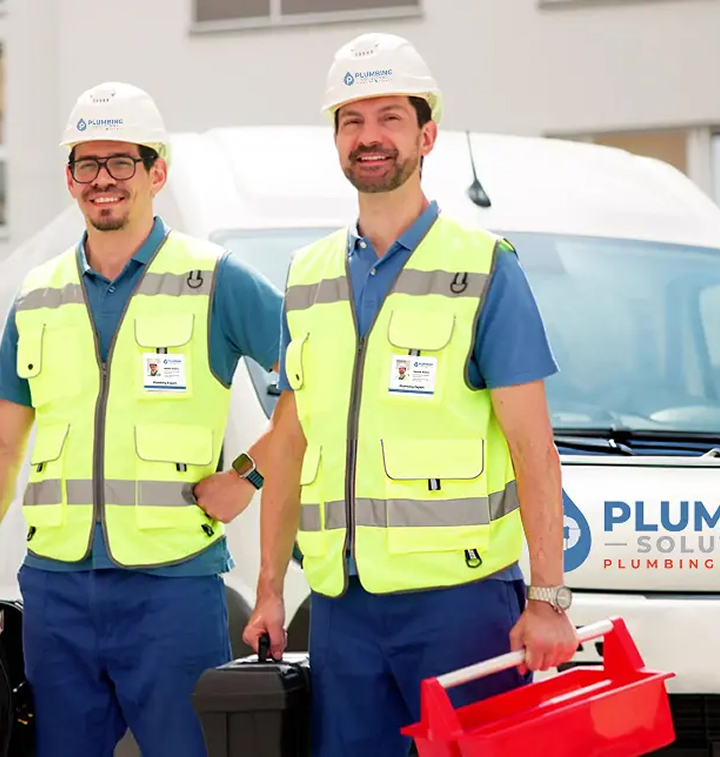
Emergency Plumbing
Reliable Service
Sunday through Friday


Plumbing Solutions, LLC is open Sunday through Friday from 8:00 AM to 5:00 PM for standard plumbing services. We are closed on Saturdays. After-hours emergency plumbing services are available Sunday through Thursday only. If you experience an urgent plumbing issue outside normal business hours, emergency availability will depend on timing and technician capacity. Calling as soon as possible helps us determine the fastest and safest response for your situation in South Carolina.
Yes. We charge a non-refundable $65 service fee to provide an on-site plumbing evaluation and estimate. This fee covers the technician’s time, system diagnosis, and preparation of an upfront estimate. If you choose to move forward with the recommended work, the $65 service fee is waived and applied toward the approved repair or installation. This ensures clear pricing while allowing us to properly evaluate your plumbing system before any work begins.
All parts installed are covered by the manufacturer’s warranty, and Plumbing Solutions, LLC provides a one-year workmanship warranty on completed plumbing work. This warranty covers installation-related issues tied to labor and craftsmanship. We stand behind the quality of our work and use proven installation methods designed to perform reliably over time. Warranty coverage details are explained clearly before work begins so expectations are fully understood.
Yes. Plumbing Solutions, LLC is fully licensed and insured, and all work is overseen by a Licensed Master Plumber. Our technicians are trained to perform plumbing repairs, installations, and evaluations in compliance with current plumbing codes and industry standards in South Carolina. Proper licensing and insurance protect both the property owner and the work being performed, ensuring safe installation practices, code compliance, and long-term system reliability.
When our technician arrives, they will review your concerns, gather details about the issue, and perform a system diagnosis. After evaluating the plumbing, the technician prepares a clear, upfront estimate outlining the recommended solution. Once the estimate is approved, work may begin immediately or be scheduled for a return visit, depending on scope and parts availability. Payment is collected upon completion of the approved work.
Our estimates use clear, upfront pricing based on current manufacturer costs and standard labor rates. Pricing is fixed-rate, meaning the cost does not change based on how long the job takes. This approach eliminates surprises and allows property owners to make informed decisions before work begins. All pricing is reviewed with you in advance so you know exactly what to expect before approving the service.
Our prices are very competitive. As a fully licensed, insured, and reliable company we are not the cheapest if compared to some less reliable companies. However, when compared with other reputable licensed and insured companies, we aim to be 10% less than our competition.
Yes. We can assist with plumbing fixture and product selections. Our sister company, Bath and Bronze, offers thousands of options through their Kitchen, Bath, and Lighting Showroom. Their team includes experienced staff and designers who can support selection decisions for remodels, upgrades, or new installations. This allows property owners to coordinate plumbing planning and product choices efficiently.
We provide nearly all residential plumbing services, including repairs, installations, replacements, diagnostics, remodel plumbing, water heaters, sewer and drain services, repiping, water treatment, and new construction support. The only services we do not offer are well and septic systems. Our work is performed by licensed professionals using standard installation practices focused on safety, accuracy, and long-term reliability. A full list of services is available on our website.
Yes. We offer a 5 percent senior citizen discount as a courtesy to eligible customers. This discount cannot be combined with other promotions, discounts, or special offers. Eligibility is verified at the time of service. The discount applies to qualifying plumbing work and is reflected in the final estimate once the scope of work has been reviewed and approved.
Yes. We proudly offer a 5 percent military discount to active-duty service members and veterans. This discount cannot be combined with any other discounts or promotional offers. Eligibility is confirmed at the time of service, and the discount is applied once the plumbing estimate has been reviewed and approved.
Yes. We offer a service plan designed for repeat customers who want ongoing system care, priority scheduling, and cost savings. The plan helps reduce unexpected plumbing issues through routine maintenance and provides preferred service benefits. Details vary by plan level, and our team can explain current options and coverage when you contact us.
We offer a HOA service plan designed for homeowner associations seeking consistent plumbing support and predictable service management. This plan can include scheduled maintenance, priority response, and streamlined communication. If your HOA would like additional information or a customized service plan, please contact us to discuss available options.
Yes. We offer financing options for qualifying customers, typically used for larger plumbing repairs, replacements, or system upgrades. Financing availability depends on approval and project scope. Our team can explain financing options after the system evaluation and once an accurate estimate has been prepared.
No. We do not provide pricing over the phone because accurate plumbing estimates require an on-site evaluation. Plumbing systems vary widely, and diagnosing the issue properly allows us to provide clear, fixed-rate pricing we can stand behind. This approach helps avoid surprises and ensures the recommended solution matches the actual condition of the system.
Our technicians carry advanced diagnostic equipment, including drain machines, sewer cameras, excavation tools, smoke leak detection equipment, infrared cameras, and more. These tools allow us to accurately locate issues, reduce guesswork, and recommend the most effective solution. We arrive prepared to diagnose a wide range of plumbing problems during the initial visit.
A plumbing emergency includes active water leaks causing damage that cannot be isolated, loss of water service, leaks that may result in no water to the home, or severe drain stoppages or backups. Emergency calls after 5 PM are situations that cannot reasonably wait until the next business day due to urgency or customer request.
Most fixtures have individual shutoff valves located directly beneath or behind them. Turning these valves clockwise will stop the water supply to that specific fixture. If you’re unsure what type of shutoff you have, Plumbing Solutions, LLC offers short homeowner guidance videos that walk through common setups. These can be helpful for sinks, toilets, and other fixtures depending on your home’s plumbing configuration.
Stop using the affected plumbing immediately and avoid running water anywhere connected to the blockage. Introducing more water can worsen backups and cause damage. Once water use is stopped, contact a licensed plumber to evaluate the issue. Professional diagnosis helps determine whether the blockage is localized or related to a main drain or sewer line.
After-hours plumbing services are available Sunday through Thursday, based on technician availability. These services are intended for urgent situations that cannot wait until the next business day. We are closed on Saturdays and do not offer after-hours services on Friday nights.
Emergency plumbing services are available for Membership and Warranty customers only. These services are reserved for urgent situations such as active leaks, loss of water, or severe drain backups that cannot wait until normal business hours. Availability depends on timing and technician capacity.
Plumbing Solutions, LLC serves Lexington, Richland, Aiken, and Kershaw Counties in South Carolina. Service availability may vary by location and scope of work. Contacting our office allows us to confirm coverage and schedule options for your specific address.
Yes. We specialize in servicing older homes. Our approach includes evaluating the full plumbing system to identify safety concerns, outdated materials, and performance issues common in aging properties. This allows us to recommend repairs or upgrades that support long-term reliability and code compliance.
We service plumbing components above ground connected to well systems and the incoming sewer lines leading to septic tanks. We do not service well pumps or septic tanks themselves, but we ensure that interior plumbing and sewer lines are functioning properly and flowing as intended.
We believe homeowners should have options. After evaluating the plumbing system, we explain both repair and replacement paths when applicable. This allows you to decide how you want to invest in your home based on condition, longevity, and budget rather than being pushed into a single solution.
We offer same-day service when scheduling availability allows. Response time depends on call volume, location, and the nature of the issue. Contacting us early in the day improves the likelihood of same-day scheduling.
No. Plumbing Solutions, LLC does not work directly with insurance claims. We provide professional evaluations and documentation, but coordination with insurance providers is the responsibility of the property owner.
A gas-like odor is often caused by a failing anode rod inside the water heater. As the rod breaks down, it can react with bacteria and produce an odor similar to gas. Replacing the anode rod typically resolves the issue.
This odor is usually caused by sulfur bacteria reacting inside the water heater or originating from the water supply. While typically not dangerous, it does require treatment, which may include flushing the system or replacing the anode rod.
Toilet gurgling is commonly caused by a main sewer line blockage or a venting issue. Trapped air is forced back through the toilet when water drains elsewhere in the system. This condition should be evaluated promptly to prevent backups.
Sudden low water pressure is often caused by a failing pressure-reducing valve (PRV), clogged aerators, hidden leaks, or mineral buildup inside pipes. A professional evaluation helps identify the exact cause and prevent further system strain.
Common signs include unusually high water bills, damp spots on walls or floors, musty odors, sounds of running water when fixtures are off, or a spinning water meter. Any of these indicators should be evaluated by a licensed plumber.
A continuously running toilet is usually caused by a worn flapper, faulty fill valve, or improperly adjusted float. These components allow water to keep refilling the tank and waste water until corrected.
Slow drains are typically caused by hair, grease, soap residue, or debris building up inside the drain line. Over time, this restricts water flow and can lead to full blockages if not addressed.
Yes. Even a slow drip can waste thousands of gallons of water per year. Dripping faucets usually indicate worn washers or cartridges and should be repaired to prevent water waste and fixture damage.
Water hammer occurs when fast-moving water stops suddenly, often due to high pressure, missing air chambers, or a failing PRV. Left unaddressed, it can damage pipes and fixtures.
Traditional tank water heaters typically last 8 to 12 years. Tankless water heaters can last 15 to 20 years with proper maintenance. Lifespan depends on water quality, usage, and routine service.
Hot water can run out quickly due to sediment buildup inside the tank, a broken dip tube that prevents proper heating, or a water heater that is undersized for your household’s demand. As heaters age, efficiency drops. A professional evaluation helps determine whether flushing, component replacement, or upgrading the unit is the best solution.
Ideal residential water pressure typically falls between 50 and 70 PSI. Pressure above 80 PSI can damage fixtures, appliances, and plumbing connections over time. High pressure often indicates a failing pressure-reducing valve (PRV). Regular pressure checks help protect your plumbing system from premature wear and leaks.
Bubbling or gurgling toilets usually signal a venting issue or a partial blockage in the drain or sewer line. Trapped air is being displaced through the toilet instead of venting properly. This condition should be evaluated promptly, as it can lead to backups or sewer line problems if ignored.
Chemical drain cleaners are not recommended. They can damage pipes, especially older plumbing, and often fail to fully remove blockages. These chemicals may temporarily clear symptoms while leaving buildup behind. Mechanical cleaning methods, such as professional drain clearing, are safer, more effective, and better for long-term drain health.
Cloudy or milky water is usually caused by air trapped in the water, which clears after a few seconds. If cloudiness persists, it may indicate pressure issues, water supply disturbances, or mineral content problems. Persistent discoloration should be evaluated to rule out plumbing or supply concerns.
Pipes commonly burst due to freezing temperatures, excessive water pressure, corrosion, or aging materials. As water freezes, it expands and increases pressure inside the pipe. Older or weakened pipes are especially vulnerable. Preventative measures include insulation, pressure regulation, and proactive pipe replacement.
Sink odors are often caused by dry P-traps, grease buildup, food debris, or bacterial growth inside the drain. When water evaporates from the trap, sewer gases can enter the home. Regular use, proper cleaning, and occasional drain maintenance help prevent recurring odors.
Yes. Hard water causes mineral scale buildup inside pipes, fixtures, and appliances. Over time, this reduces water flow, lowers appliance efficiency, and shortens system lifespan. Water softening solutions help protect plumbing infrastructure while improving water performance throughout the home.
Signs of a failing pressure-reducing valve include fluctuating water pressure, banging pipes, dripping fixtures, or pressure readings above 80 PSI. A malfunctioning PRV can strain the entire plumbing system. Professional testing confirms whether adjustment or replacement is necessary.
Weak flushing is often caused by low tank water levels, mineral buildup under the rim holes, or clogged flush jets. These issues restrict water flow into the bowl. Proper adjustment or cleaning usually restores flushing power and prevents repeated clogs.
Yes. Even small pipe leaks can create ongoing moisture behind walls, under floors, or in cabinets. This moisture promotes mold growth and structural damage over time. Early leak detection and repair are critical to preventing health concerns and costly repairs.
Sudden cold water in the shower can result from pressure imbalances, a failing mixing valve, or simultaneous water use elsewhere in the home. Older systems without pressure-balancing valves are especially prone to temperature fluctuations and should be evaluated.
Sewer backups are commonly caused by tree root intrusion, grease buildup, pipe collapses, or heavy rainfall overwhelming the system. Early warning signs include slow drains, gurgling sounds, and recurring clogs. Professional inspection helps prevent complete system failure.
Yes. Turning off the main water supply prevents major damage if a leak occurs while you’re away. This simple step protects your home from flooding caused by burst pipes, appliance failures, or unnoticed leaks.
Popping noises usually indicate sediment buildup at the bottom of the tank. As water heats, it boils beneath the sediment layer, creating noise. Flushing the tank can restore efficiency and extend the heater’s lifespan.
Yes. Tree roots naturally seek moisture and can infiltrate small cracks in sewer lines. Over time, roots expand, causing blockages or pipe damage. Early detection and professional removal help prevent costly sewer repairs.
A rocking toilet is typically caused by a loose flange, deteriorated wax ring, or uneven flooring. Movement can eventually lead to leaks at the base. Prompt correction prevents water damage and subfloor issues.
Low water pressure isn’t usually dangerous, but it often indicates underlying problems such as leaks, clogged pipes, or failing valves. Identifying the cause helps restore proper flow and prevent larger plumbing issues.
Preventative drain cleaning every 1–2 years helps remove buildup before clogs develop. Regular maintenance reduces the risk of sewer backups and improves overall drainage performance.
Water heater leaks may come from loose fittings, a failing pressure relief valve, or internal tank corrosion. Tank corrosion often means replacement is necessary. Prompt evaluation helps prevent water damage and system failure.
If a pipe bursts, immediately shut off the main water valve to stop further damage. Open nearby faucets to relieve pressure and drain remaining water from the system. Avoid using electrical appliances near standing water. Once the area is safe, contact a licensed plumber right away to assess the damage, repair the pipe, and check for any secondary leaks.
Pipe replacement depends on material, water quality, and system condition. Galvanized pipes typically last 40–50 years, copper pipes often exceed 50 years, and PEX can last 40+ years. Signs replacement may be needed include frequent leaks, corrosion, reduced water pressure, or discolored water. A professional evaluation helps determine whether repair or repiping is the better long-term solution.
Sewer gas odors near a toilet are commonly caused by a failed or dried-out wax ring, a cracked toilet base, or a dry P-trap. These issues allow sewer gases to escape into the home. The odor should be addressed promptly, as it usually indicates a failed seal or plumbing connection that needs professional repair.
A dripping temperature and pressure (T&P) relief valve often indicates excessive water pressure, thermal expansion, or a valve that is wearing out. While occasional dripping can occur, continuous discharge is not normal and should be evaluated. Ignoring it can lead to water damage or system failure, so professional inspection is recommended.
Brown or rusty water is typically caused by corrosion in older pipes, sediment buildup inside the water heater, or recent work on the municipal water main. If discoloration occurs only with hot water, the issue may be inside the water heater. Persistent discoloration should be evaluated to prevent pipe deterioration or appliance damage.
Whistling or squealing faucets are usually caused by worn washers, failing cartridges, or excessively high water pressure. These noises occur when water is forced through restricted or damaged components. While the sound may seem minor, it often signals a component failure that can worsen over time if not repaired.
Yes. A blocked plumbing vent prevents proper airflow, which can lead to slow drains, gurgling toilets, sewer odors, and drainage backups. Vents allow sewer gases to escape safely and help maintain proper pressure in the system. Vent issues are often overlooked and should be evaluated by a professional when drainage problems persist.
A sudden increase in your water bill often points to a hidden leak, running toilet, dripping faucet, or underground pipe issue. Leaks may not always be visible but can waste significant water over time. Checking your water meter when no fixtures are running can help confirm whether a leak is present.
Some pipe noise at night can be normal due to temperature changes causing expansion and contraction. However, loud banging, knocking, or frequent noises may indicate high water pressure, loose pipes, or failing valves. Persistent noise should be inspected to prevent damage or future leaks.
Garbage disposal odors are typically caused by food debris trapped inside the unit or buildup in the drain line below. Grease, starches, and organic waste can cling to internal surfaces and decay over time. Regular cleaning and proper use help prevent recurring smells, but persistent odors may require professional cleaning.
Water backing up into a sink or tub usually indicates a partial blockage in the drain or sewer line. As the restriction worsens, wastewater has nowhere to go and rises through the lowest fixture. Early intervention helps prevent complete backups and potential water damage.
You should call a plumber for leaks inside walls, sewer issues, water heater problems, pressure-related concerns, gas-related plumbing, or any situation involving major water damage. DIY repairs may worsen these issues. A licensed professional ensures safe, code-compliant repairs and long-term system reliability.