

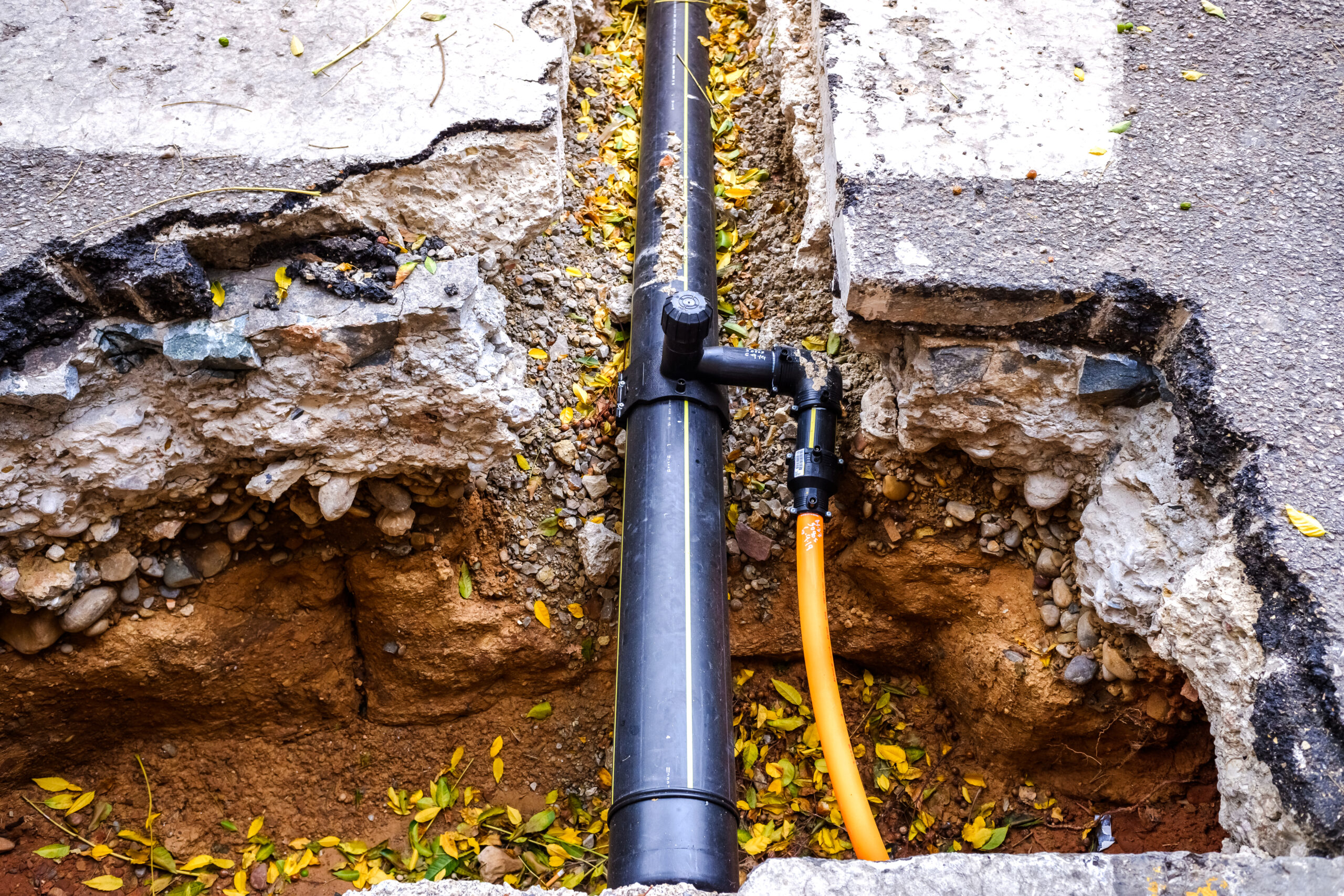
A slow drain might not seem like trouble right away. You pour hot water down the drain, give it a couple of plunges, and things flow fine for a few days. Then it creeps back. That little hassle turns into backups, nasty smells, and water sitting in sinks, tubs, and appliances. Once the main line gets tangled up, the real damage has usually already spread out of sight.
Waiting never helps sewer troubles. This guide covers the warning signs, shows how camera inspections pinpoint the problem, and explains when a spot fix is the right choice and when swapping the whole line makes more sense.
Why Sewer Line Issues Escalate Quickly In South Carolina Homes
South Carolina’s weather and soil take a toll on underground pipes. Heavy rains shift dirt under slabs, stressing old lines. Clay swells with water, then shrinks when it dries, cracking or shifting pipes. Tree roots seek out every damp crack, drawn by the moisture.
Older homes carry bigger risks. Many still use original clay or cast iron pipes that rust and pull apart at joints. A tiny fracture invites roots, grease, or debris. Know the difference between a branch clog and a main line failure, or you’ll waste time on the wrong fix.
The Sewer Line Symptom Spectrum
Sewer problems slip in quietly, no big fuss. The tub holds water longer than it should one day, and the toilet gurgles right when the washer drains another time. A faint bad smell floats from the laundry now and then. Signs like that mean trouble’s building long before it becomes a backup. Call for an inspection soon, and the fix stays easy and cheap.
Early Warning Signs That Usually Point To A Developing Sewer Issue
These quieter signs are easy to miss, but they often point to a developing sewer issue.
- Slow drains in several spots, especially the lowest fixtures, often indicate a clogged main line.
- Recurring clogs that don’t respond to DIY fixes indicate issues deep in the system.
- Gurgles rising from toilets or drains as sinks or showers run indicate trapped air behind partial blocks further down.
- Sewer odors near drains, laundry areas, or yard pipes indicate vent failures or pooled sewage.
- Toilet water levels dipping or surging unprompted reveal pressure swings from distant issues.
Catch them early, and an inspection can prevent a much bigger backup.
Urgent Red Flags That Can Signal A Main Line Failure
When the main sewer line is failing or blocked, the signs tend to show up fast and in more than one place. If you notice any of the issues below, treat it as urgent.
- Sewage backing up into tubs, showers, or floor drains: This is a high-priority warning sign and needs prompt action.
- An overflowing toilet that keeps clogging: Repeat clogs can indicate a blockage farther downstream, not just a toilet issue.
- Multiple fixtures backing up at the same time: When more than one drain is affected, the problem often indicates a main line issue.
- Soggy, unusually green patches along the sewer route: This can signal underground pooling from a leak.
- Backups that happen right after heavy rain: Rain-triggered backups can suggest an overwhelmed system, infiltration, or a cracked line letting water in.
If there is indoor sewage at any point, treat it as a real health hazard. Stop using water in the home if possible, and get a professional on-site quickly to diagnose the main line and prevent further damage.
What To Do Immediately Before We Arrive
Cut off all water use around the house until we get there. No flushing toilets, running laundry or dishwashers, or showers. Keep kids and pets out of messy zones. Skip chemical drain cleaners – they rarely help with mainline blockages and can complicate repairs. If you spot the issue, clear the area so the plumber can access it. Snap pictures of clogged fixtures and yard messes for the files.
What Causes Sewer Line Problems In South Carolina
Most sewer line issues come down to a few repeat offenders. Here are the causes we see most often, and why they tend to create the same clog-and-backup patterns.
- Root Intrusion: Roots find a crack or separated joint, grow inside the pipe, and catch debris that leads to recurring clogs.
- Grease and Buildup: Grease, soap, and sludge gradually coat pipe walls, narrowing the opening until a full blockage forms.
- Sagging Sections: Low spots let water and waste pool instead of flowing out, which triggers repeat backups.
- Cracks, Separations, or Collapses: Aging pipes and ground movement can stress materials until joints pull apart or sections fail.
- Offset Joints and Poor Slope: Misaligned connections or improper grading disrupt flow, causing homes to deal with the same clog cycle again and again.
If you are dealing with repeat backups, the goal is not just clearing the symptom. It is identifying which of these underlying issues is driving it, so the fix actually holds.
Camera Inspection: How We Find The Exact Problem

What A Camera Inspection Shows
Camera inspections reveal blockages such as roots, grease, or debris, as well as pipe cracks and separations. They highlight flow issues like standing water. Locating the exact point of the blockagecuts guesswork and digging, and gets you back to normal faster. Footage shows if trouble is isolated or spreads across the line.
What Homeowners Can Expect During The Visit
The process kicks off with a quick walkthrough of your symptoms and how the fixtures are acting up. We access the line through a cleanout or similar entry point. Right after, we explain exactly what the camera reveals and lay out your options plain and simple.
What We Look For To Decide “Repair” Versus “Replace”
Does the pipe look solid overall with just one problem area, or does damage stretch across several spots? Will the issue return even after we clear it? Do signs of serious breakdown, like collapse or bad separations, demand more than a simple cleanout?
Sewer Line Repair Options: Clearing, Patch Repair, Or Replacement
The goal is to restore reliable flow and prevent repeat backups.
When A Targeted Repair (Patch) Makes Sense
Localized damage in one section with a stable line elsewhere suits a patch repair. Site access has to support a lasting job.
When Replacement Is Usually The Safer Long-Term Fix
Multiple damaged sections, repeated failures, or end-of-life pipe signs call for replacement. Structural issues such as collapse, deformation, or chronic standing water caused by poor slope conditions require a new line. Root intrusion through weak joints often returns if the underlying pipe condition isn’t addressed.
Minimizing Disruption
Protecting landscaping where possible and keeping the work site under control are factored into planning. The best approach depends on depth, routing, utilities, and exact failure location.
Timelines: What The Process Typically Looks Like
Same-day triage zeroes in on halting active backups and pinning down the source. Camera inspection maps the full issue next. We then scout utilities and access points for repair planning. Execution wraps with the fix or swap, flow tests, and cleanup. Approvals can stretch timelines depending on local rules.
What Drives Complexity
Depth and access challenges vary by job. Slab lines demand a different approach than crawlspace or yard runs. Failures under driveways, landscaping beds, or cramped side yards each bring their own headaches. Pipe shape beyond the main damage spot shapes our approach. Heavy root zones require a long-term strategy
How To Avoid Repeat Sewer Line Problems After The Repair
Avoid flushing anything besides waste and toilet paper. Dispose of grease in the trash. Maintenance cleaning is essential after root removal. Proactive inspections help homes with a history of backups. Yard awareness includes planting choices near known line routes.
Why Homeowners Call Plumbing Solutions LLC For Sewer Line Repair
Plumbing Solutions LLC starts with a solid diagnosis. Camera inspections pinpoint issues and match the right repair scope. We explain options clearly: urgent fixes, preventative steps, and durable solutions. The job stays clean and contained to protect your home and limit disruption.
Book A Sewer Line Inspection Before A Slow Drain Becomes A Full Backup
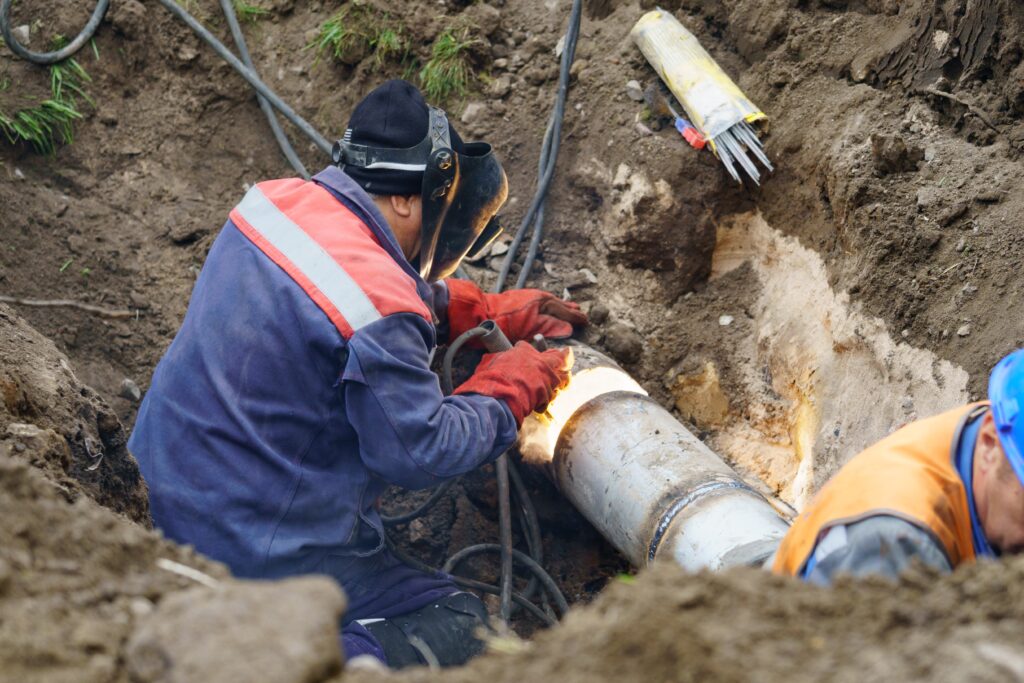
If you’re spotting any of these early warning signs, a camera inspection offers the quickest path to dodge major damage down the road. Recurring slow drains mean it’s time to book an inspection soon. Active backups require urgent service. We’ll walk you through the findings and next steps in straightforward terms, tailoring a plan to your home and the trouble’s scale.