


Sinks drain slowly at first, then tubs fill with standing water, and kitchen sinks hold greasy pools that refuse to move. Every day use builds hidden blockages in your pipes over time. Many homeowners grab a plunger or store-bought cleaner to clear things up, but if the clog is deeper in the line, it often comes back.
Here at Plumbing Solutions LLC, we explain the common causes of clogs, safe first steps you can take, clear signs to call us, and how our drain cleaning services remove the blockage and address the cause so it doesn’t keep coming back.
Why Drains Get Clogged (And Stay That Way)
Household drains connect to the main sewer line, which carries wastewater away. A clog in one fixture is different from a problem farther down the line. Grease buildup and tree roots are two common causes of recurring issues.
- Kitchen sink blockages begin with grease, oil, food bits, coffee grounds, and soap residue sticking to the walls of the pipes. Hot water may seem to help, but as grease cools, it hardens and sticks to pipe walls.
- Even garbage disposals can struggle with fibrous scraps (carrots, celery), starchy foods (potatoes, pasta), and fats (oil). These can swell in water and pack the drain line, turning a small clog into a deeper blockage.
- Hair, toothpaste, soap scum, shaving cream, and lotions clog bathroom sinks, showers, and tubs by coating traps and narrow pipes, while so-called ‘flushable’ wipes and hygiene items can swell and snag, blocking flow completely.
- Clogs in utility and laundry drains slowly build up through the accumulation of lint, soap scum, fabric softener, and sink debris, gradually setting and hardening into thick sludge that slows the whole system.
- Obstructions in the main line and sewers may be caused by tree roots breaking into pipes, mineral scale buildup, objects dropped through the line, or low-hanging lines. Most DIY methods can’t reach or repair these issues.
A professional inspection can confirm what’s happening before a minor problem turns into a major one.
Safe DIY Steps Homeowners Can Try First
Start with low-risk steps first. Don’t force tools or chemicals, as this can cause mess, damage, or leaks.
- Hot water and a bit of dish soap gently loosen fresh kitchen grease, as the soap breaks surface tension and heat melts fats without the need for chemicals.
- A cup plunger works best for sinks and tubs, while flange types work best for toilets. Keep a good seal and use steady, repeated plunges to move softer clogs.
- Lift the stopper or strainer to pull out hair and loose bits by hand. Work gently to avoid damaging the stopper parts or scratching fixtures.
- Enzyme cleaners work slowly for upkeep on clear lines since natural bacteria eat organic matter over days, but they won’t fix a full stoppage or an active backup.
- Harsh chemical drain cleaners can damage pipes and seals over time and often don’t remove the real cause of the clog.
These steps buy time for minor issues, but watch for patterns that signal bigger issues.
Red Flags That DIY Is No Longer Enough
If the problem keeps returning or affects more than one fixture, it’s usually deeper than a simple clog.
- If the same drain clogs repeatedly, a buildup or a deeper restriction is likely still in the line.
- Multiple fixtures back up to each other, like tubs and sinks in one area of the home. This points to mainline blockages rather than single-drain trouble.
- Standing water in sinks or showers persists despite efforts, increasing the risk of spills that ruin floors, create a mess, and raise cleanup concerns.
- Bad smells linger, toilets gurgle when other water runs, or bubbles rise because trapped air and gases escape from partial blocks or vent faults.
- Older pipes, nearby trees, or past backups increase the risk of clogs.
If you suspect a sewage backup or notice water rising quickly, stop using water and call for emergency service.
How Professional Drain Cleaning Fixes the Root Cause
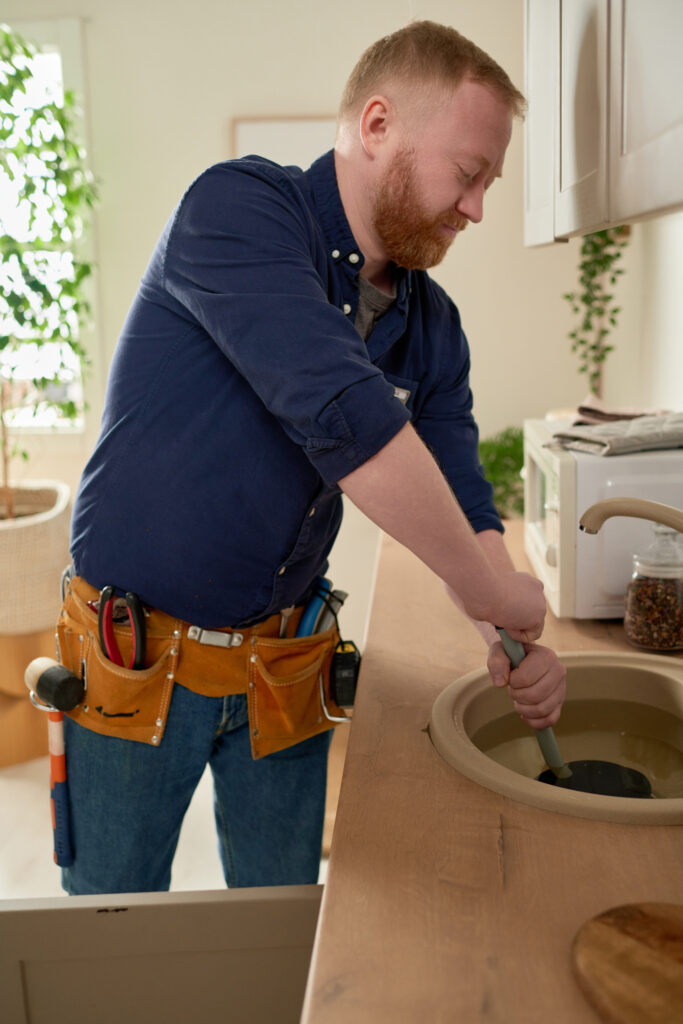
At Plumbing Solutions, LLC, we focus on restoring full flow, not just punching a small hole through the clog.
- Our camera snakes through lines to show exact clog spots, roots, cracks, or dips so that we can choose the right fix the first time.
- Mechanical snaking uses powered cables for tough local clogs, reaching farther with better control than store plungers.
- Hydro jetting blasts high-pressure water to clear heavy grease and buildup and flush pipe walls clean (when the pipe condition allows).
- Descaling removes mineral deposits and rust from old metal pipes, boosting flow and extending life without complete replacement.
- We check curved pipes under sinks, air vents, and the overall system flow to fix odors and slow drainage at the source.
Clean lines last longer when we address the whole system.
Why Professional Clogged Drain Repair Protects Your Home
Guesswork wastes time and money. Proper diagnosis helps fix the problem correctly, rather than repeating temporary fixes.
- Precise views with professional equipment confirms issues upfront, so we skip incorrect treatments that cost extra over time.
- Tools match pipe types and fixtures to avoid scratches on tubs or seal breaks during work.
- Full clears remove root intrusions from pipes, preventing unexpected floods that damage homes.
- We handle wastewater safely, reducing exposure to unpleasant odors and contamination during backups.
Home protection starts with the proper care.
How Plumbing Solutions LLC Handles Clogged Drain Emergencies
Homeowners across South Carolina call us when their drains back up, overflow, or won’t clear.
- For non-emergencies, we’ll schedule a convenient appointment and get you back to normal fast.
- Camera results lead to straightforward conversations about fixes, and allow us to make plans suited specifically to your home
- We protect work areas, control mess, and clean up thoroughly before we leave.
With a plumber from Plumbing Solutions LLC, you’ll get clear next steps and reliable results.
Simple Habits to Keep Drains Flowing After a Professional Cleaning
Post-clean maintenance is essential because small changes prevent buildup before it starts.
- Kitchen drains work best with strainers to catch food scraps and limit the amount of grease poured down the drain.
- Keep bathrooms clear by brushing hair before you shower, and avoiding “flushable” wipes.
- Run hot water through slow drains monthly and use enzyme cleaners for prevention (not emergencies). If you have older plumbing or recurring issues, periodic inspections can help prevent repeat backups.
A few small habits go a long way.
Ready To Stop Fighting That Stubborn Clog?
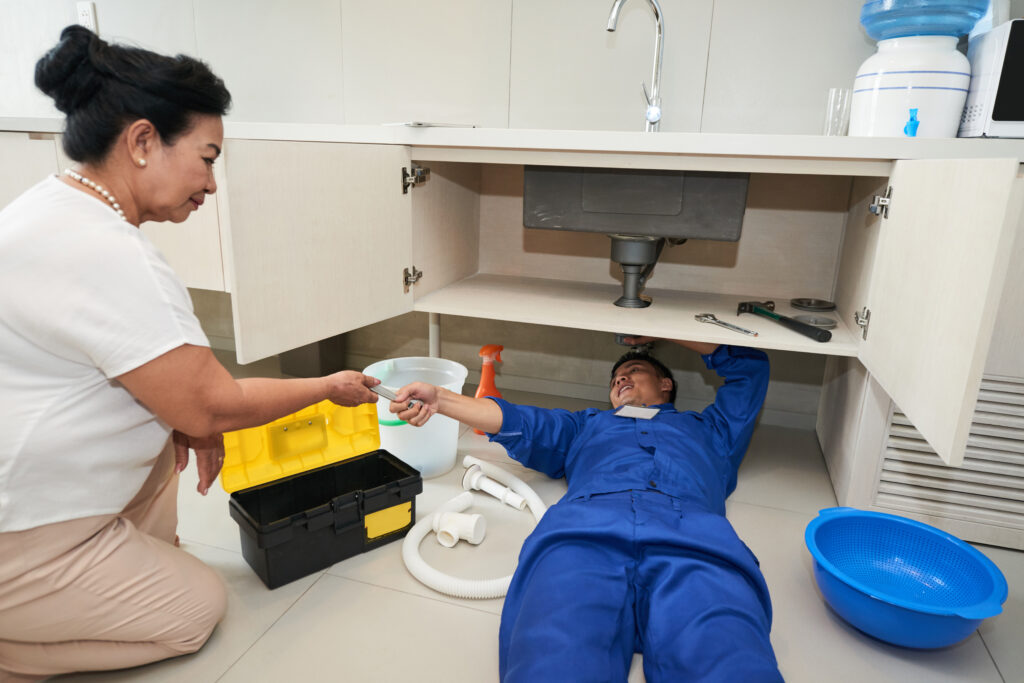
Stubborn clogs take up time and cause unnecessary stress in homes, and if ignored, they can lead to slow drains, water damage, odors, or even a messy backup. The good news: one call can break the cycle before water harms your floors, walls, or your home’s air quality.
Contact Plumbing Solutions LLC for clogged-drain repair that actually lasts, from kitchen sinks and shower drains to main line issues, or reach out for 24/7 emergency plumbing support when you need help right away. We’ll identify the cause of the clog, clear it properly, and help prevent future backups so you can get back to normal with free-flowing drains and far less hassle.