
Emergency Plumbing
Reliable Service
Sunday through Friday

South Carolina winters are mild, until they aren't. One hard freeze can split a pipe in a crawl space or outside wall and send water across your floors before you notice. Here's how to protect your plumbing before temperatures drop, and what to do if a pipe freezes anyway.
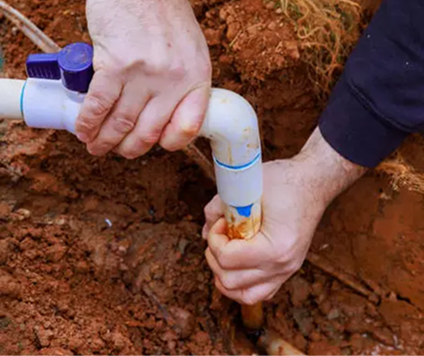
Insulate pipes in crawl spaces, attics, garages and exterior walls. Disconnect garden hoses and cover outdoor faucets. Keep your thermostat at 55°F or higher, even when you're away. On nights below 20°F, let faucets on exterior walls drip and open sink cabinet doors so warm air reaches the pipes.
Homes in the Midlands are built for heat, not cold. Pipes often run through vented crawl spaces, unheated attics and exterior walls, all places that drop to outdoor temperatures during a cold snap. Because hard freezes are rare here, many homeowners don't prepare, which is why burst-pipe calls spike when one arrives.
| Where pipes freeze | Why it's at risk | Quick fix |
|---|---|---|
| Crawl spaces | Vented to outside air; pipes are often bare | Add foam pipe sleeves; close or cover vents during a freeze |
| Outdoor hose bibs | Fully exposed; trapped water expands as it freezes | Disconnect hoses; add insulated covers or frost-free hose bibs |
| Exterior walls (kitchens, baths) | Little insulation between pipe and outdoors | Open cabinet doors; drip the faucet |
| Attics | Unheated; supply lines to upstairs baths may run here | Insulate lines; seal air leaks |
| Garages | Unheated; washer and water heater lines | Keep the garage door closed; insulate exposed lines |
| Irrigation and backflow devices | Above ground and fully exposed | Shut off and drain; insulate the backflow assembly |
| Older homes (galvanized, polybutylene) | Aging pipes crack more easily under pressure | Get an inspection; consider repiping |
Water freezes at 32°F, but pipes inside walls and crawl spaces usually need a colder, longer stretch. Research from the University of Illinois Building Research Council puts the danger point for pipes in unheated spaces at about 20°F. Wind and how many hours the cold lasts matter as much as the overnight low.
| Outdoor temperature | Risk level | What to do |
|---|---|---|
| Above 32°F | Low | No action needed |
| 28–32°F | Exposed pipes only | Disconnect hoses; cover outdoor faucets |
| 20–27°F | Moderate | Insulate crawl space and attic pipes; open cabinets on exterior walls |
| Below 20°F | High | Drip exterior-wall faucets; keep thermostat at 55°F+; locate your main shutoff |
| Below 20°F for several hours or days | Very high | All of the above; check each faucet every morning |
Most of these take less than an hour and need only basic supplies from a hardware store.
Disconnect and drain garden hoses. A connected hose traps water in the faucet, where it freezes and cracks the pipe inside the wall. Store hoses and close any interior shutoff valve that feeds the outdoor faucet.
Cover outdoor faucets. Snap an insulated foam cover over each hose bib. If yours freeze every winter, ask about frost-free hose bibs, which shut off water inside the warm part of the wall.
Insulate exposed pipes. Slip foam pipe sleeves over pipes in crawl spaces, attics, garages and under sinks on exterior walls. Seal seams with tape so there are no gaps.
Seal cold-air leaks. Close crawl space vents or cover them during a freeze, and caulk gaps where pipes pass through exterior walls.
Keep the heat on. Set your thermostat to at least 55°F day and night during a cold snap, including when you're traveling.
Open cabinet doors. On freezing nights, open kitchen and bathroom sink cabinets on exterior walls so heated room air reaches the pipes.
Let faucets drip. When lows dip below 20°F, let the faucets farthest from your main line drip slowly, hot and cold. Moving water relieves pressure and is much less likely to freeze.
Find your main water shutoff. Locate the valve before you need it, make sure it turns, and show everyone in the house. If a pipe bursts, every minute it stays open adds water damage.
Holiday travel is when most burst pipes go unnoticed. Run through this before you lock the door.
Thermostat set to 55°F or higher
Garden hoses disconnected and outdoor faucets covered
Sink cabinet doors on exterior walls left open
Crawl space vents closed or covered
Irrigation system shut off and drained
A neighbor or friend can check the house daily if a hard freeze is forecast
For long trips, main water shut off and lines drained
Our emergency number saved in your phone
If you turn on a tap on a freezing morning and get a trickle or nothing, ice is likely blocking the line between that faucet and the main.
Check pipes under sinks, in the crawl space and near the water heater. Visible frost or ice means the water inside has frozen.
Ice expands as it forms. A pipe that looks swollen, split or misshapen is at risk of bursting when it thaws.
A sewer smell from a drain, or banging and whistling when you open a faucet, can mean ice is blocking water or drain lines.
Wet drywall, ceiling stains or puddles near a wall mean a pipe may already have cracked. Shut off the main water right away.
Only thaw a pipe you can see and reach. If it's inside a wall or you can't find the frozen section, call a plumber.
Open the faucet. Turn on the tap the frozen pipe feeds. As ice melts, running water helps clear the rest of the blockage.
Start near the faucet. Warm the pipe beginning at the faucet end and work back toward the frozen section, so melting water has somewhere to go.
Use gentle heat. A hair dryer, a heating pad or towels soaked in hot water all work. Keep going until full water pressure returns.
Check every faucet. If one pipe froze, others may have too. Test each tap in the house.
Watch for leaks. Once water flows, check the thawed section for drips or spraying. A pipe can crack while frozen and only leak once it thaws.
Never: use a torch, propane heater, charcoal stove or any open flame on a pipe. Open flames can start a fire and can make water in the pipe boil and burst. Don't leave a space heater running unattended near pipes or flammable materials.
Shut off the main water valve. It's usually where the water line enters the house, in a crawl space, garage or utility room, or at the meter near the street.
Turn off the water heater. This protects the heater once the water supply is off.
Cut power to wet areas. If water is near outlets, appliances or the electrical panel, turn off the breaker for that area. If you can't reach the panel safely, stay out and call for help.
Open faucets to drain the lines. This relieves pressure and pushes out remaining water.
Remove standing water. Mop, use towels or a wet vac, and move furniture and valuables out of the wet area.
Document the damage. Take photos and video before cleanup for your insurance claim.
Call an emergency plumber. A licensed plumber can find every break, repair the pipe and check nearby lines that may also be weakened.
| Situation | DIY? | Why |
|---|---|---|
| Insulating pipes and covering outdoor faucets | Yes | Simple, low-cost prevention |
| Thawing a visible pipe under a sink | Yes, with gentle heat | Safe if you can see and reach it |
| Frozen pipe inside a wall or ceiling | Call a plumber | Hard to locate; high risk of hidden cracks |
| No water anywhere in the house | Call a plumber | The freeze may be at the main line or meter |
| Any burst or leaking pipe | Call a plumber | Needs repair and a check of nearby lines |
| Hose bibs that freeze every year | Call a plumber | Frost-free hose bib replacement is a permanent fix |
| Older galvanized or polybutylene pipes | Call a plumber | Aging pipes split more easily; an inspection shows whether repiping makes sense |
Burst pipes don't wait for business hours. Our emergency plumbers respond to frozen and burst pipe calls across our service area.
Many Midlands homes have galvanized, cast iron or polybutylene pipes that crack more easily in a freeze. We know these systems and how to protect them.
From frost-free hose bibs to pipe insulation and repiping, we fix the reason a pipe froze so it doesn't happen again.
We don't quote over the phone. We inspect the problem first, then give you a clear price before any work starts.
A quick winter plumbing check now costs far less than a burst pipe later.
Yes. South Carolina gets fewer freezes than northern states, but many homes here have pipes in crawl spaces, attics and exterior walls with little insulation. When temperatures drop below about 20°F, those pipes can freeze in a single night.
Keep your thermostat at 55°F or higher during a cold snap, day and night. Use the same setting when you travel, since pipes in an unheated house can freeze within hours.
Yes, when lows fall below 20°F. Let the faucets on exterior walls and farthest from your main line drip slowly, both hot and cold. A slow drip relieves pressure and keeps water moving.
Unprotected pipes in unheated spaces can freeze in six to eight hours of below-freezing temperatures. Insulated pipes in heated parts of the home take much longer.
No, but the risk is high. Ice builds pressure between the blockage and the closed faucet, and that pressure can split the pipe. Many cracks only start leaking once the pipe thaws, so check thawed pipes closely.
Many policies cover sudden water damage from a burst pipe, but coverage can be denied if the home wasn't heated or reasonable steps weren't taken to prevent freezing. Check your policy and keep photos of the damage.
Disconnect the hose, close the interior shutoff valve if you have one, open the outdoor faucet to drain it, then cover it with an insulated faucet cover. Frost-free hose bibs are a permanent upgrade for faucets that freeze often.
You can use a space heater to warm the room around an exposed pipe, but keep it away from flammable materials and never leave it unattended. Never use a torch or any open flame on a pipe.