


Kitchens are the heart of the home, where you cook family meals, wash dishes after gatherings, and depend on faucets and drains for nonstop, everyday use. Even small problems like steady drips or water that lingers in the sink can signal larger issues in supply pipes or drain lines.
If these issues go unnoticed, leaks can soak into cabinets, contribute to moisture problems, or damage floors over time. Plumbing Solutions LLC can quickly pinpoint the source of the issue and provide reliable repair. This guide covers our services from sink repairs to appliance hookups.
Common Kitchen Plumbing Warning Signs
Kitchens take more wear and tear from cooking oils, food bits, and constant rinsing than most bathrooms do, so troubles stack up quickly.
- A slow, gurgling sink drain often starts as grease coats the pipe walls. Soon, food scraps pile on, and water struggles to push through the mess.
- Standing water collects in the dishwasher because the shared sink drain line backs up, overwhelmed by both loads at once.
- A steady drip from a faucet or sprayer can waste a surprising amount of water over time and etch dull spots into your sink finish.
- Water pools under the cabinet or soaks the wood, a clear sign of supply hose splits or drain joint failures.
- Persistent sink odors can come from food buildup in the trap or from failing seals that let sewer smells bubble up.
- Hot water vanishes at the tap when sediment chokes lines or old valves fail under pressure.
Catch these issues early to reduce the risk of leaks, water damage, and offensive odors.
Leaky Kitchen Faucets, Sinks, and Under-Sink Plumbing
Faucets and sinks leak, and hidden moisture swells cabinets and floors over time. Plumbing LLC plumbers check every joint early to prevent expensive damage.
- Worn cartridges and O-rings drip when hard water dries out the rubber seals over time.
- Loose handles or sprayers may need a good tightening or a full swap to restore smooth flow.
- Basket strainers seep at gaskets worn down by food bits and harsh cleaners.
- Sink caulk can crack over time, and mold growth requires professional replacement.
- Supply lines can fail over time. We’ll recommend the right replacement line and proper routing to prevent problems.
- Updated shutoff valves make it easier to shut off water quickly when needed.
Sealing leaks and repairing sinks with reliable parts ensures your kitchen stays clean and damage-free.
Kitchen Drain Cleaning and Clog Removal
Kitchen drains clog faster than other drains because grease hardens on the pipe walls, and food scraps get stuck, causing backups. Plungers can sometimes temporarily shift a clog, but they may not remove buildup deeper in the line.
- Grease, food scraps, and soap scum cling to walls, slowly narrowing pipe openings over months.
- Thick buildup first slows drain speed, then turns into stubborn blockages that won’t budge.
- The same sink keeps clogging due to debris packed deep in the trap or the branch line.
- Gurgling noises, foul smells, or water rising in multiple bowls can indicate a deeper blockage or a mainline issue.
- A main line clog can affect multiple drains, not just the kitchen sink.
- Snaking clears many clogs, while hydro jetting can remove heavy grease and buildup from pipe walls when appropriate for the pipe condition.
- We check traps, vents, and dishwasher connections for complete protection.
- Professional cleaning typically lasts longer than plunging because it removes buildup rather than just shifting the immediate clog.
Clear lines handle busy cleanup periods with fewer slowdowns and backups.
Garbage Disposal Installation, Repair, and Replacement
Garbage disposals grind food scraps to prevent clogs in drains. A garbage disposal that hums without grinding or leaks can indicate a jam. Old units rust from splashes, while newer, quieter models can handle typical food scraps when used appropriately for family cooking.
- Humming but no grinding means jammed blades; bad smells come from poor seals; leaks show at the mount rings.
- Easy resets or jam clears fix most issues; wire checks stop electrical hums without replacing the whole system.
- Cracked bodies, burned motors, or bad rust call for full replacement right away.
- Pick a horsepower that fits your household’s needs; quieter models reduce noise at mealtimes.
- GFCI wiring and tight drain fits make installs safe and dry.
A properly working disposal can help reduce food buildup in the sink and support smoother drainage.
Dishwasher Water Supply, Drainage, and Hookups

Dishwashers use thin hoses prone to kinks and clogs, and improper drain routing can allow dirty sink water to backflow into the dishwasher. We adjust heights and seals for fast fills, full drains, short cycles, and spotless results without sink interference.
- Kinked supply hoses slow the fill time, and old valves get stuck open.
- New valves make future service easier and support reliable water flow.
- Poor loops let dirty sink water backflow into dishwasher loads.
- Clogs in the branch line can block dishwasher drainage.
- We protect cabinets and work areas during new hookups or replacements.
- Pair with sink or garbage disposal upgrades to avoid future fit problems.
Refrigerator, Ice Maker, and Water Filtration Connections
Clogged filters can affect taste and reduce water flow.
- Saddle valves clog and pinch tight; plastic lines crack from exposure to cold temperatures
- Copper or PEX lines with shut-off valves are long-lasting and meet safety standards.
- Filters connect to sinks while RO units drain safely to sink traps.
- Slow flow, leaks, or bad taste can mean a clogged filter or a loose connection.
- We check for hidden leaks and recommend safeguards where appropriate.
When DIY Fixes Are Fine, And When It’s Time to Call a Plumber
DIY fixes are fine for simple plumbing issues, but they won’t resolve deep clogs or electrical-related issues safely. Stay surface-level with DIY. Call us if you see water stains, persistent odors, or repeated clogs. We have the tools to locate the cause and repair it safely
- Lift and clean strainers weekly to stop food debris buildup.
- Run hot water with soap to break fresh grease before it hardens.
- Soak aerators in vinegar to dissolve mineral deposits that block water flow.
- Repeated clogs or bad smells need professional tools beyond plungers.
- Water stains on cabinets or floors mean hidden leaks.
- Electrical disposal issues or behind-the-wall work are best handled by a professional for safety reasons.
- Remodels should connect fixtures correctly to meet code requirements and prevent leaks.
When issues persist, a professional inspection helps identify the cause and resolve it safely.
What to Expect From a Kitchen Plumbing Service Visit
We start with a complete inspection of your sink, garbage disposal, dishwasher hose, and pipes, then explain what we found, your options, and pricing before any work begins. We protect floors and work areas, and we test everything after the repair.
If the quick fixes aren’t holding, we’ll pinpoint what’s really causing the problem, fix it cleanly, and leave your kitchen running the way it should; no guesswork and no repeat clogs.
Why South Carolina Homeowners Trust Plumbing Solutions LLC For Kitchen Plumbing
Mineral buildup can develop over time, especially with hard water. Old slabs hide rusty iron drains, and new, tight kitchens cram pipes close. Our local team handles these issues regularly with work that’s done properly and built to last. Technicians use cabinet guards and professional equipment to clear lines efficiently, speak plainly without being pushy, clean up thoroughly, and get the fix right the first time.
Ready To Fix Your Kitchen Plumbing Issues?
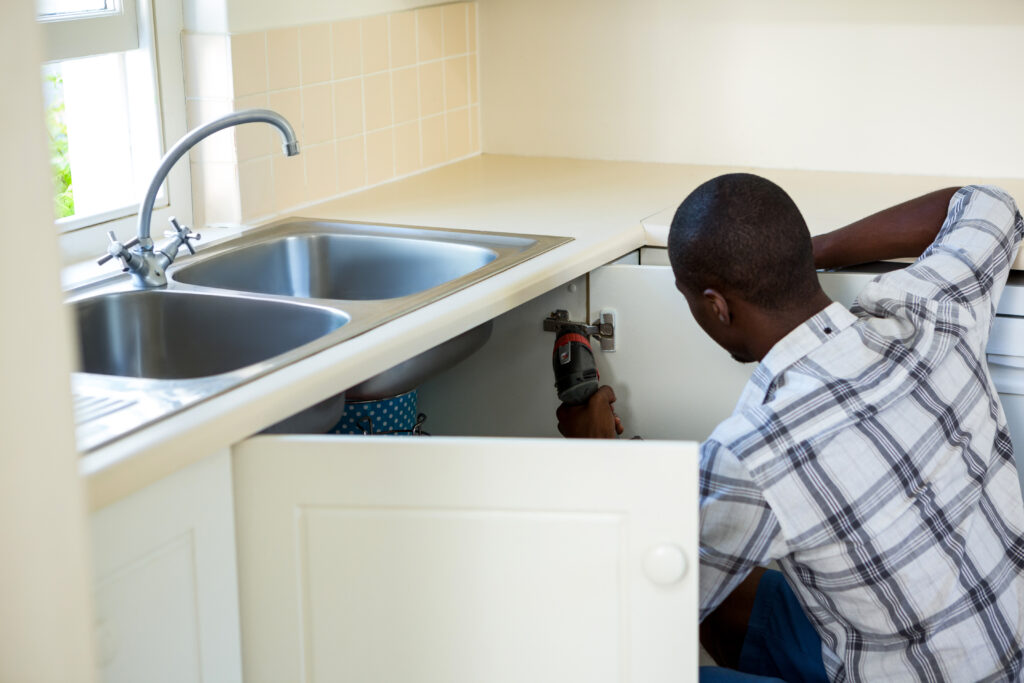
Recurring drips, slow sinks, jammed units, or appliance woes are often resolved in a single visit after we inspect the entire system. Stop guesswork and get back to cooking without worry. Schedule service today to help restore dry cabinets, clear drains, and reliable kitchen plumbing.