

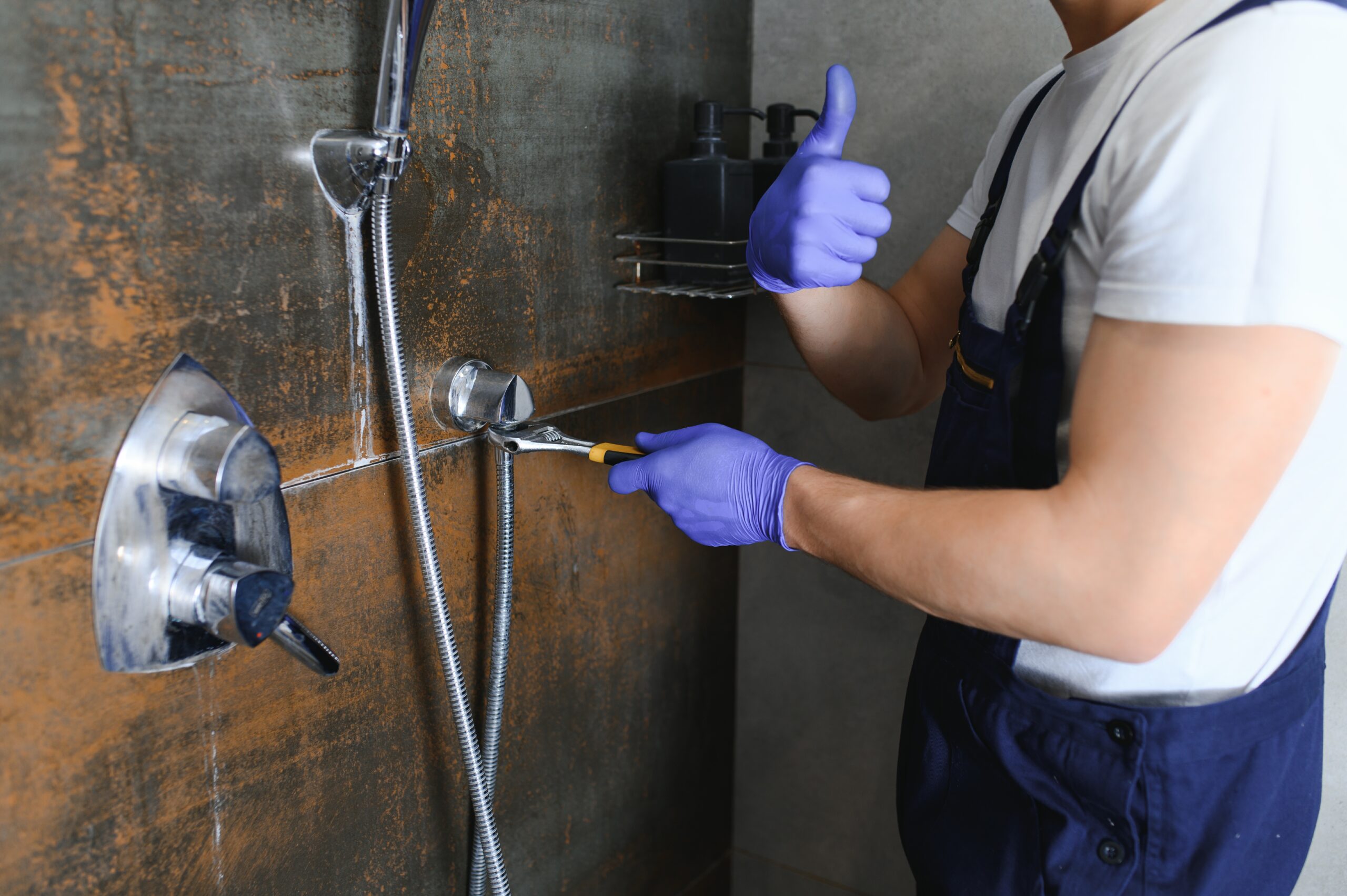
Unpredictable shower temperature is a common frustration, and most people assume the water heater is to blame. In many cases, the problem is much closer to the shower itself.
This guide explains what the shower valve does, why temperature swings happen, what warning signs to watch for, and when professional repair makes more sense than trial-and-error fixes.
What A Shower Valve Actually Does
The shower valve is the part behind the wall that controls water flow and balances hot and cold water before it reaches the showerhead. It’s not just an on-off control.
A shower valve affects temperature consistency, pressure response, and how safely water is delivered day to day. When the valve is working properly, you get a comfortable shower, but when it is not, the temperature becomes uncertain.
Why Shower Temperature Can Change Without Warning
Sudden temperature changes usually happen when the valve is no longer regulating water properly. A compromised internal part, mineral buildup, a pressure imbalance, or a malfunctioning cartridge can destabilize the mix of hot and cold water. That is why the water can feel normal one moment and uncomfortable the next, without any change in the handle’s setting.
Signs The Shower Valve May Be The Real Problem
These are the most common warning signs:
- Water suddenly turns hot or cold during a shower.
- The temperature changes when a toilet flushes or when a nearby sink turns on.
- The handle feels stiff, loose, or difficult to adjust.
- It becomes harder to find a comfortable temperature setting.
- The shower never gets as warm as it used to.
- The water runs too hot, even with a careful setting.
- Dripping continues after the shower is turned off.
These symptoms often point to valve wear rather than a simple one-time plumbing issue.
Why This Is Not Always A Water Heater Problem
Water heater issues affect the availability of hot water throughout the entire home. Shower valve problems usually show up in only one shower or tub.
If the sinks in the home still get steady hot water but the shower does not, that is a strong clue that the valve or cartridge may be the issue. Replacing the water heater in this situation would not solve the problem.
How Pressure Changes In The House Can Affect The Shower
Some shower valves are designed to respond when water pressure shifts elsewhere in the home. When someone flushes a toilet, runs the dishwasher, or uses another fixture, the valve should help maintain a safe, steady shower temperature.
When the valve is worn or not functioning properly, the everyday pressure changes cause noticeable temperature changes. This is why the shower may feel fine during quiet hours but unstable in the morning when multiple fixtures are in use.
Common Shower Valve Problems Behind Temperature Fluctuation
These are the most likely reasons shower temperature can fluctuate:
- A worn or failing cartridge.
- Mineral buildup from hard water restricts internal movement.
- Internal valve parts are sticking or wearing out over time.
- A misadjusted anti-scald setting.
- Age-related wear inside the valve body.
- Poor response to pressure changes from other fixtures.
These issues build gradually. What starts as a minor annoyance can become more disruptive as the valve continues to wear.
Why The Problem Often Gets Worse Instead Of Better
Shower valve problems rarely correct themselves. A part that is sticking, corroded, or wearing out usually becomes less reliable over time. If the temperature fluctuates frequently, the handle may get harder to turn, or the shower may stop reaching the right temperature entirely. Getting the issue solved early avoids more disruptive repairs down the line.
When Hard Water Makes Shower Valve Problems More Likely
Mineral-heavy water leaves deposits inside cartridges and valve components over time. These deposits restrict movement, affect water mixing, and make temperature control less precise.
South Carolina homes in areas with harder water may see shower valve issues develop sooner. Scale buildup is one of the more common reasons cartridges wear out ahead of schedule.
Why DIY Fixes Do Not Always Solve The Real Issue
Some homeowners try adjusting the handle, cleaning the showerhead, or looking for a reset option. In minor cases, surface-level steps may provide some temporary relief.
But temperature fluctuations involve internal valve components behind the trim and are inaccessible without proper tools and knowledge. Without identifying the actual cause, DIY attempts often delay the real repair rather than resolve it.
When The Problem May Be Bigger Than The Valve Alone
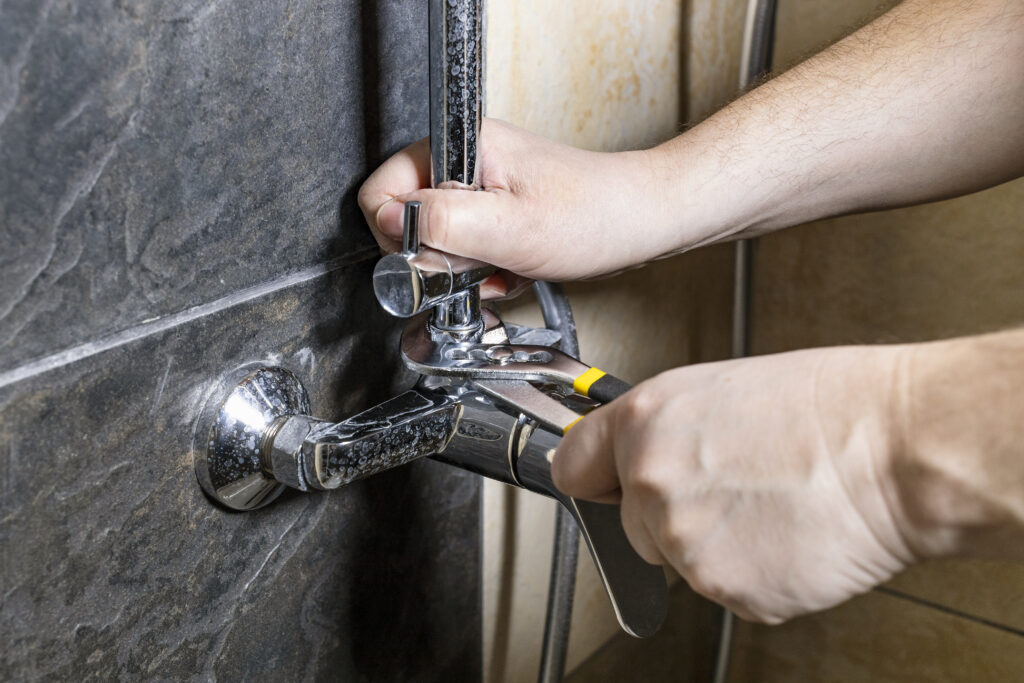
While the shower valve is a common cause of temperature fluctuation, some cases involve irregular pressure, older supply lines, fixture-specific problems, or water heater performance issues that may need repair by licensed plumbers.
Professional diagnosis is the most reliable way to determine whether the problem is localized to the shower or part of a larger system issue.
What A Plumber Checks During A Shower Valve Diagnosis
Licensed plumbers follow a clear process while diagnosing the shower valve:
- Review when and how often temperature changes occur.
- Check whether the issue affects one shower or multiple fixtures.
- Inspect trim, handle response, and visible signs of wear.
- Test the behavior of hot and cold water under normal use.
- Determine whether the cartridge, valve, pressure response, or another plumbing condition is causing the problem.
Accurate diagnosis avoids replacing the wrong part and keeps repair costs limited to what actually needs attention.
What Repair May Involve Once The Cause Is Confirmed
Once the cause of the temperature fluctuation issue is identified, the next step depends on the condition of the valve and the surrounding components.
In some cases, replacing the cartridge resolves the issue; in others, the valve may need repair, recalibration, or full replacement if internal wear is more significant.
The goal is to find the least disruptive, most effective repair based on the inspection findings, with transparent pricing before any work begins.
When You Should Not Wait To Call for Help
Some situations need prompt service:
- The shower becomes dangerously hot without warning.
- Temperature swings happen frequently.
- The handle stops responding properly.
- Leaks develop around the valve or trim.
- Children or older adults use the shower regularly.
Sudden temperature changes can become real safety concerns. Plumbing Solutions LLC offers same-day service for urgent situations.
Why Plumbing Solutions LLC For Shower Valve Problems
Plumbing Solutions LLC looks beyond the common symptom. Licensed technicians identify whether the issue is truly the shower valve or something broader in the plumbing system, and recommend the most sensible repair.
We provide expert repairs, transparent pricing, and clear explanations on every service call for residential and commercial properties.
Need Help With A Shower That Won’t Hold A Steady Temperature?
If your shower keeps turning too hot, too cold, or shifts temperature when other fixtures run, Plumbing Solutions LLC can identify the cause and recommend a reliable fix.
Schedule an inspection with Plumbing Solutions LLC, or request same-day service before the problem worsens.