

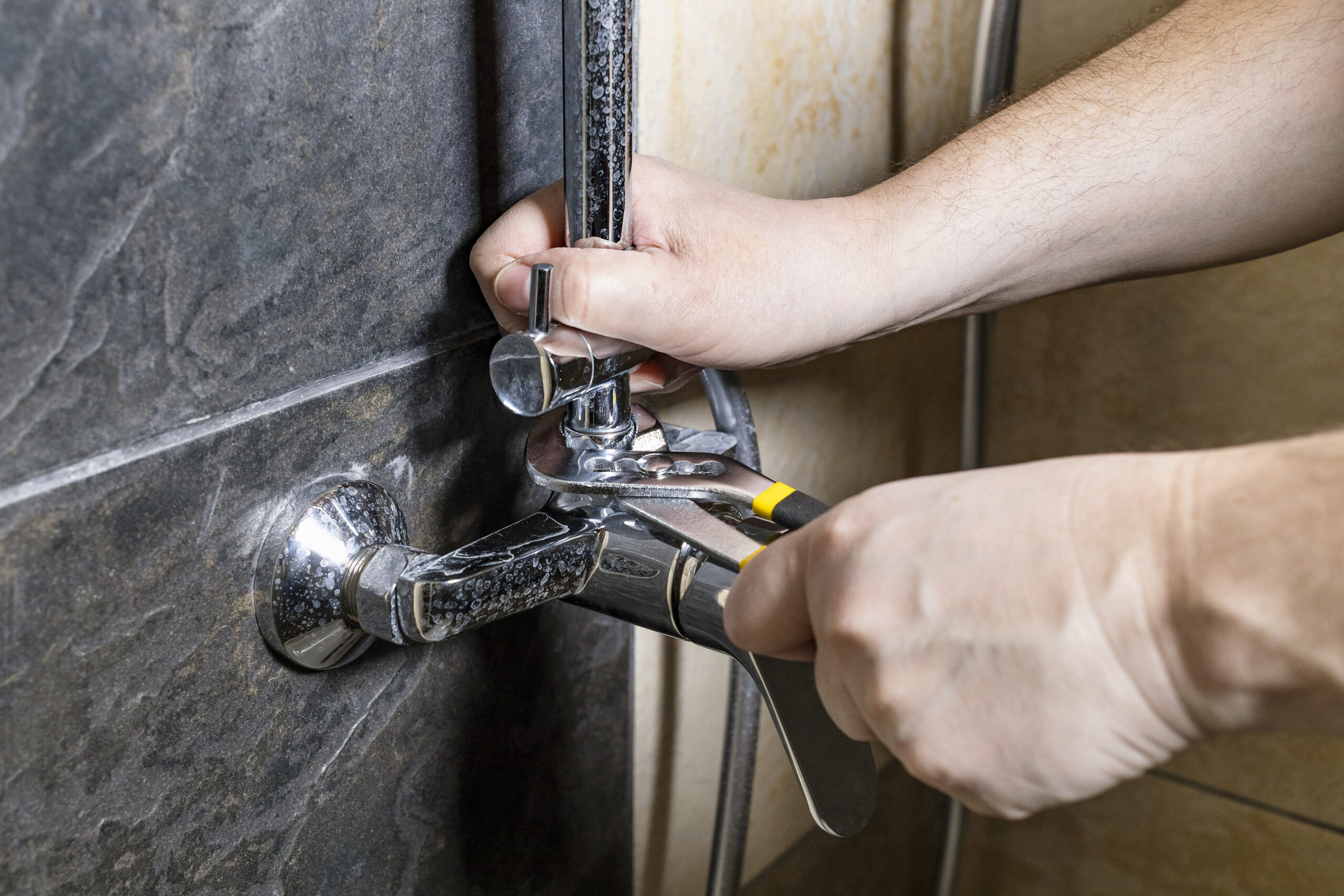
A shower should be simple: steady water pressure, a steady temperature, and safe anti-scald measures. However, when you suddenly get a blast of ice-cold water while rinsing off, or the water pressure drops, the shower valve is usually the culprit.
At Plumbing Solutions LLC, we know how aggravating this can be. Your shower should be relaxing, not a wild card every time you use it. Our licensed plumbers will take the guesswork out of diagnosing, repairing, and replacing damaged shower valves so that you can return to a sense of comfort in your daily routine.
What a Shower Valve Actually Does
A shower valve is the unsung hero of your bathroom. A shower valve blends hot and cold water to achieve your temperature preference while maintaining a steady water pressure.
Modern valves also incorporate anti-scald safety mechanisms that prevent burns from scalding water when an unexpected hot or cold water spike runs through your pipes, such as when someone flushes a toilet or turns on another fixture. According to your design, your shower may have:
- Single-handle valves that control temperature and water flow in one
motion. - Two-handle systems have separate controls for hot and cold water.
- Three-handle (or diverter valves) are typically common in a tub.
No matter the style, your shower valve is what keeps every shower safe, balanced, and comfortable.
Indications That Your Shower Valve Requires Repair or Replacement
When the valve starts to break down or there is corrosion to its inner parts, you will notice the signs fairly quickly. These symptoms provide homeowners with the biggest clue that it might be time to repair or replace their valve.
Sudden Hot/Cold Swings
If your shower water suddenly changes from very hot to very cold (or vice versa) when someone flushes the toilet, the pressure balancing valve is starting to fail. It is no longer capable of adjusting for changes in your water pressure in your plumbing lines.
Low or Uneven Water Pressure
Reduced flow can be caused by a variety of reasons, including mineral buildup in the valve, wear on the valve’s cartridge, or failure of the balancing spool in the valve.
Continual Dripping or Leaking Behind the Wall
A continual drip is not only annoying, but it can also lead to hidden water damage and mold growth behind your tile. Often, this indicates that the valve seat and/or seal are wearing out.
Handle Stiffness or Grinding
A grinding handle usually indicates mineral scaling or a worn cartridge. If you need to force the handle to turn, it will likely lead to internal failure.
Lukewarm Only (Not Very Hot)
If your shower never gets more than lukewarm, the thermostatic element might have failed, and/or the anti-scald limit is set too low.
If you’re noticing any of these warning signs, it’s time to call Plumbing Solutions LLC for a professional shower valve inspection and replacement before minor issues turn into costly repairs.
Repairing versus Replacing: How We Decide
Not every faulty valve requires full replacement. At Plumbing Solutions LLC, we start our process with a thorough investigation, seeking a reasonable repair or replacement that is economical and durable.
- Cartridge / Trim Repair: If the valve body is acceptable, we only replace the cartridge, seals, and O-rings and recalibrate the scald stop for proper temperature control.
- Full valve replacement: It is recommended to replace the valve body when it is cracked, corroded, obsolete, or if the necessary parts are no longer available.
- Our diagnostic flow: Inspection → Pressure & temp testing → Isolation/crossover test → Reasonable repair → Clear replacement option estimate.
This allows you to always follow and also understand the recommendations and “why.”
Choosing the Appropriate Valve Style
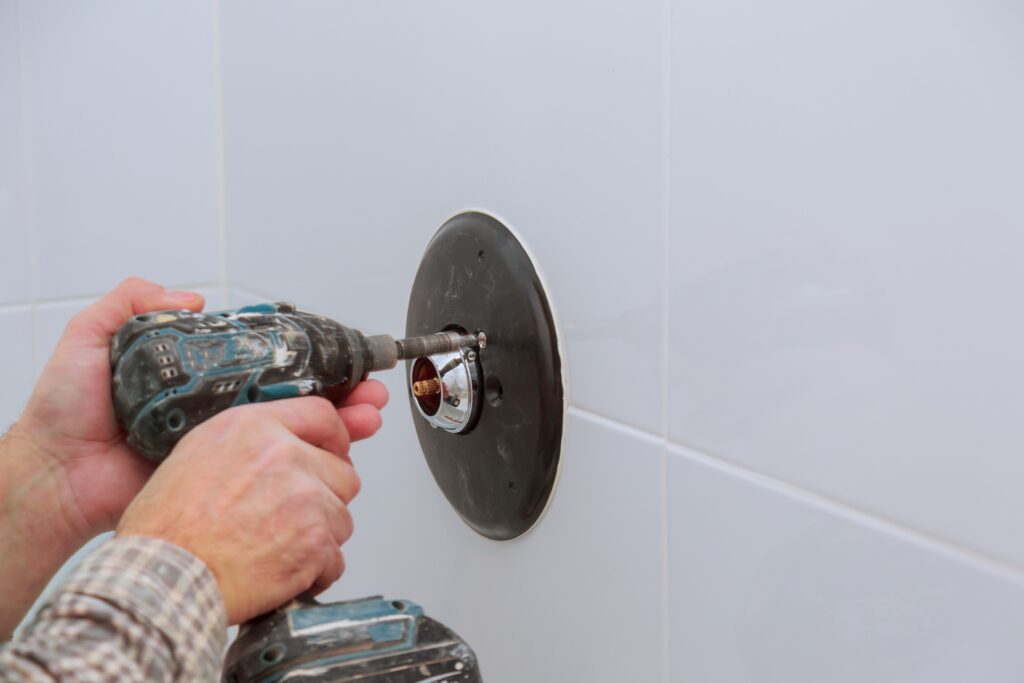
Now more than ever, shower valves are a means to allow better control and safety to the consumer. The type of valve that is right for you will depend on your household needs, system compatibility, and comfort levels.
Pressure- Balancing Valves
Pressure-balancing valves are designed to automatically balance hot and cold water pressure, protecting against scalding. This type of valve is ideal for any family or home that may experience fluctuating water use at any time, regardless of whether it’s on similar or different plumbing fixtures.
Thermostatic Valves
Thermostatic valves permit a consistent, precise temperature, while the water flow can be adjusted separately. Thermostatic valves are perfect in spa-type, multi-spray head systems. This option has excellent comfort, safety, and a luxurious experience.
Diverter and Volume Controls
A diverter valve is typically used to switch the showerhead between the tub, rain head, and/or handheld showerhead. You can also add volume controls, which are separate controls that adjust the flow in modern multi-outlet showers.
Compatibility and Finish
When upgrading, it is important to match your new valve with your existing trim or brand. Before installation, our plumbers confirm the rough-in depth, wall thicknesses, and separate adapter adjustments to ensure compatibility with the products.
With the right valve installed and calibrated, your shower delivers consistent comfort, safe temperatures, and smooth performance—every single time.
Code, Safety, and Accessibility Qualifications
We take safety and compliance very seriously! We ensure that every shower valve installation we perform adheres to ASSE 1016 / ASME A112.1016 performance provisions.
As the prevention of scalding is a vital component of codes and safety, we recommend that outlets be set to a maximum of 120°F just outside the water heater. After the job is complete, our plumbers will test and adjust the temperature settings to ensure code compliance.
Our Professional Replacement Process
At Plumbing Solutions LLC, we have a defined, detailed process for replacing your shower valve to assure the quality of the work and safety for your home:
- Assessment and Access: Determine the brand and model of the valve, inspect for moisture damage, and check for the best wall access.
- Shutoff and Protection: Turn the water off, cap the fixture, and take the proper precautions to limit dust in your home.
- Removal: Remove the existing cartridge or valve body if necessary.
- Install New Rough-In: Sweat, crimp, or thread the fittings to code, ensuring the depth and level are in accordance with the manufacturer’s instructions.
- Rebuild and Calibrate: Set the scald stops, calibrate the temperature on the thermostatic mixing valve, and check the flow.
- Finish Work: Patch the wall, seal the escutcheons, clean up the mess, and walk you through operating your new valve.
- Documentation: Provide preventative maintenance tips and warranty information for your confidence.
We don’t just replace your valve; we ensure your entire shower system operates reliably for years to come.
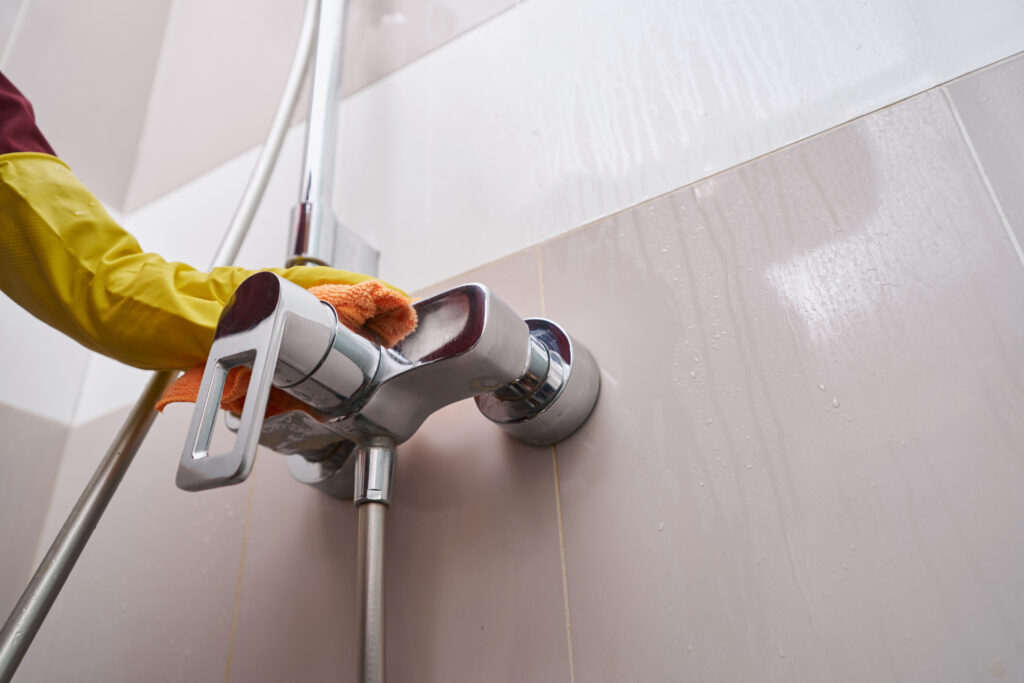
Guide to Maintain Your Shower Valve
Even the best valve needs human touch. Here are a few ways to keep your shower trouble-free:
- Clean/replace cartridges every 2-3 years in high-mineral or hard water situations.
- Check your scald-guard settings after changing your water heater to suit your needs.
- Check caulking and escutcheons for leaks or water behind the wall.
- If you notice pressure or temperature drifting and other obvious changes, you should plan a plumbing inspection annually (at a minimum).
Routine maintenance keeps your shower performing like new. Schedule a professional valve inspection with Plumbing Solutions LLC to ensure lasting comfort and safety.
Enjoy Steady Pressure and Perfect Temperature, Every Time
A new professionally installed shower valve restores true control of your shower experience; no more surprise bursts of cold water, low pressure, or constant dripping. The right valve means a steady flow, a balanced temperature, and a more comfortable, care-free shower every day. Schedule your appointment for shower valve replacement with Plumbing Solutions LLC today and enjoy long-lasting comfort, safety, and performance.