

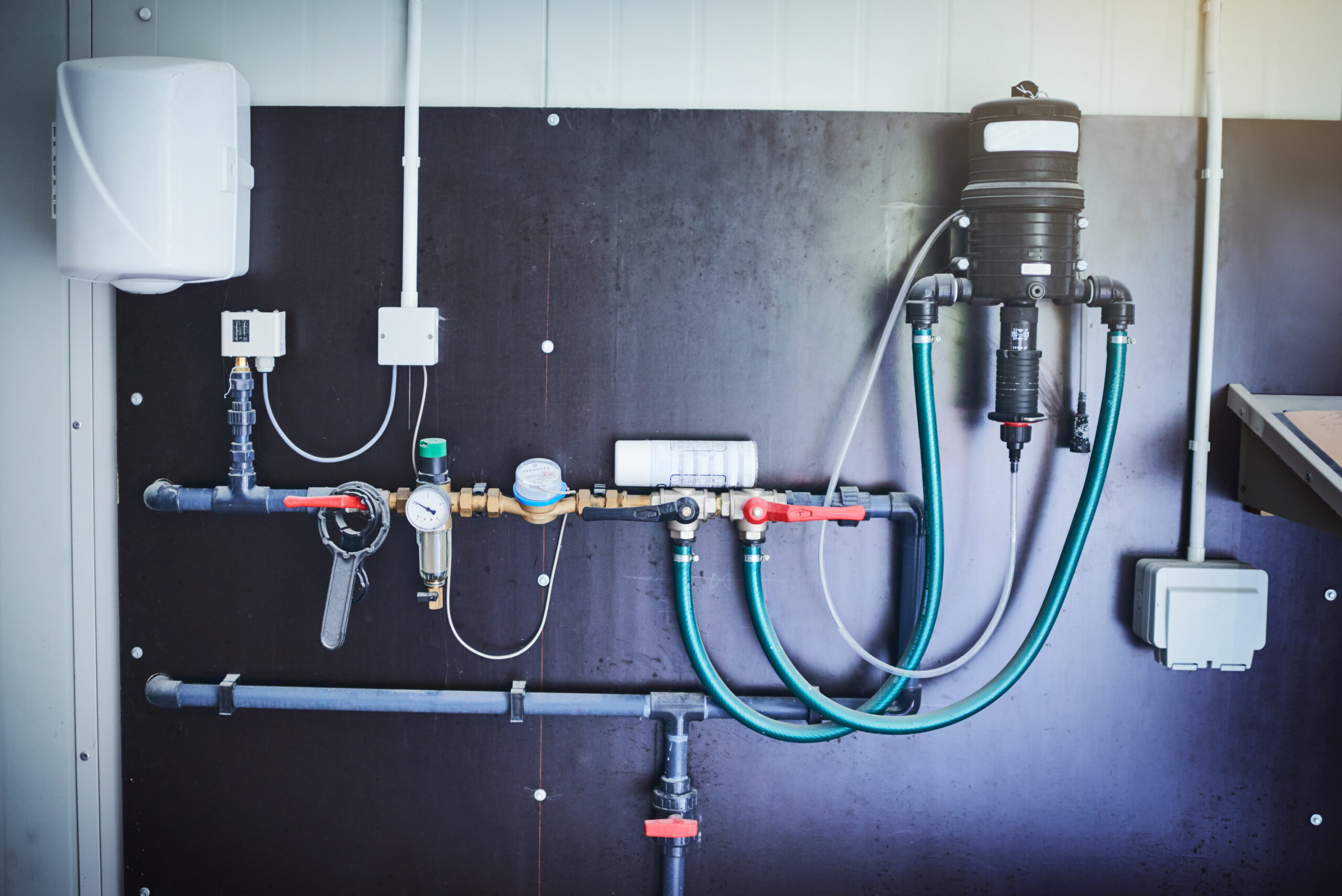
South Carolina homeowners often notice white spots on dishes, dry skin after showers, or a strange taste in tap water. Poor water quality messes with your daily comfort, clogs plumbing, wears out appliances faster, and even makes soap work less effectively.
At Plumbing Solutions LLC, we see these issues every day. Luckily, we know just how to fix them. This guide breaks down common hard water issues and solutions from filters to softeners.
Why Water Quality Matters in South Carolina Homes
Most South Carolina homes use either municipal water or a private well. Hard minerals, iron taste, and other issues can vary from area to area. These issues result in clogged pipes, reduced water pressure, increased energy use for the water heater, skin and hair dryness, and buildup or staining around toilets and sinks. A water evaluation helps pinpoint what your home needs so we can recommend the right solution.
Everyday Signs You May Need a Water Filtration Plumber
Water problems aren’t obvious. They creep in slowly, showing up in little ways around the house that add up fast.
- White, chalky spots on your dishes, glasses, and shower doors, that won’t go away no matter how hard you scrub or rinse. These are hard minerals leaving their mark .
- Dry, itchy skin and dull, brittle hair often occur after showers because soap and shampoo don’t lather properly or rinse off thoroughly, leaving a slimy film behind.
- Tap water can carry a metallic tang, a chemical bite, or musty or sulfur-like odors that make drinking and cooking unpleasant.
- Yellow, orange, or brown rings build up around toilets, sinks, and tubs from iron leaching out and staining surfaces..
- Water heaters, dishwashers, and washing machines may wear out sooner, clogged inside by scale that nobody sees until they break.
If you notice any of these signs, minerals or other contaminants may be the underlying cause. Catching it early can help prevent costly repairs later.
Hard Water 101: What It Is Doing To Your Plumbing and Appliances
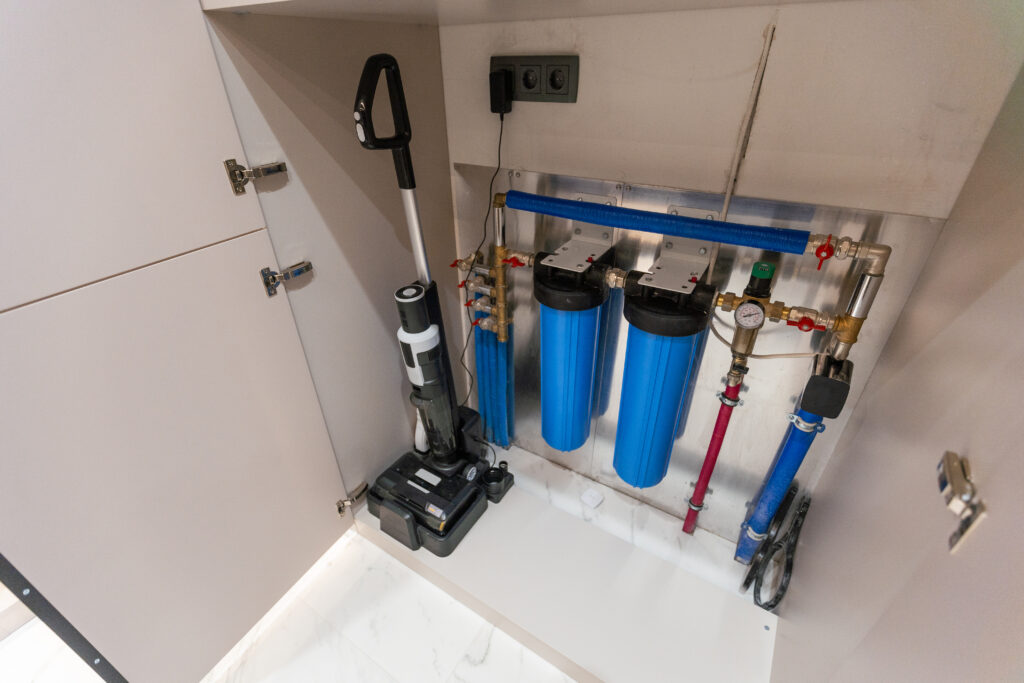
Hard water means calcium and magnesium from the ground or pipes dissolve in your supply. They seem harmless until the heat turns them into scales, like the crust in your tea kettle, coating everything. Scale buildup in water heaters wastes energy, reduces hot water output, and leads to higher bills. Dishwashers spot dishes as minerals bind to detergent; washers need extra soap and damage clothes; coffee makers clog; faucets weaken; and pipes narrow. In many homes, scale can build up quickly without treatment, shortening appliance life unless the water is treated.
Taste, Smell, and Appearance Problems With Your Tap Water
That off-putting tap water taste usually comes from chlorine in city supplies, giving your water a pool-like taste. Well water can have a metallic-iron taste, sulfur/‘rotten egg’ odors, or issues with the water heater’s anode rod. Cloudy water stems from discoloration from minerals or bacteria. These issues can signal a water-quality concern or plumbing wear. Carbon filters can reduce chlorine taste and odor. Testing helps identify other causes so the fix matches the problem.
Your Main Water Filtration and Treatment Options
Whole-Home Sediment and Carbon Filters
Installed on your main line, these trap dirt and particles first, then carbon blocks chlorine taste and odor for clearer, better tasting water throughout your home. They protect all fixtures and appliances from buildup. Sediment and carbon filters are a great starting point for South Carolina homes. If you also have problems with or hard water, we pair carbon filters with a water softener.
Water Softeners and Conditioners
Traditional softeners bind calcium and magnesium, then replace them with sodium or potassium via resin beads that are refreshed with salt brine. Result is slick, scale-free water that lathers easily, cleans spotlessly, and extends appliance life.
Under-Sink Drinking Water Filters and Reverse Osmosis Systems
For the kitchen, carbon under-sink units polish taste for cooking and drinking. Reverse Osmosis (RO) systems go further, reducing many dissolved contaminants for cleaner-tasting drinking water. Standard carbon filtration works well for chlorine taste and odor; RO shines for heavy metals or hardness at the tap. They tuck neatly under sinks and pair great with whole-home setups.
Specialty Filters for Iron, Sulfur, and Well Water Issues
When carbon filters don’t cut it, iron filters oxidize and trap stains before they hit drains. Sulfur systems aerate or use filter media to neutralize odors. Combo units are great for tackling multiple well problems.. Tailored for rural South Carolina properties where city treatment skips your yard.
Point-of-Use Filters for Specific Fixtures
Showerheads with KDF or vitamin C cut chlorine for softer, more hydrated skin and hair. Fridge lines get inline carbon for clear ice without smells. We integrate these into bigger plans so every spot improves without overkill.
How a Water Filtration Plumber Evaluates Your Home’s Water
We start with an in-home visit where you tell us about taste complaints, staining, dry skin, or failing appliances. Then we inspect fixtures, check appliances, and look at plumbing for scale clues. Basic test kits measure your water on the spot, testing for hardness, iron, and chlorine.For wells or tricky cases, we grab samples for lab analysis on bacteria or heavy metals. We ask about household size, daily water use, and any upcoming remodels or additions.
Choosing the Right Filter or Softener for Your South Carolina Home
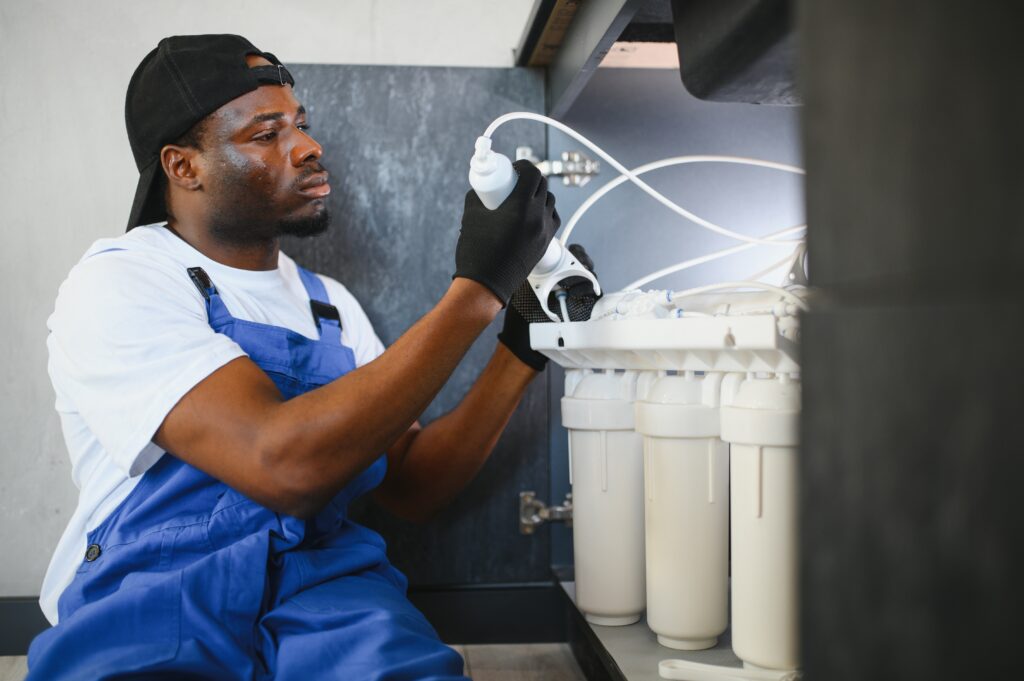
We match hard water to softeners, taste to carbon filters, and odors/stains to specialty gear. City water has basic filters; wells need robust filters. Size for your flow rate, pressure, and bathroom count to avoid bottlenecks. Replacement filters are part of ownership, but many homeowners see savings over time through reduced scale buildup, better efficiency, and fewer appliance issues.
Our plumbers break it down plain: here’s what fits, why, what it costs, and what you save. You decide, informed, no pressure.
Professional Installation vs DIY Water Filter Kits
Pitchers and faucet mounts help drinking water but don’t offer whole-home protection. DIY whole-home or under-sink installations often fail, either from leaks, restricted flow, poor pressure, or missed drains.
Professional installation helps ensure proper sealing, correct drain routing, adequate flow, and easier servicing (with shutoffs and bypasses where needed).
Maintaining Your Water Filtration System
Sediment filters often need replacement every 3–6 months, and carbon filters should be replaced according to the manufacturer’s recommendations and usage. Softeners typically require regular salt additions, and periodic cleaning/inspection helps keep them running well.
With annual plumbing checkups, we can spot wear early, refresh media, and maintain peak flow.
Why South Carolina Homeowners Choose Plumbing Solutions LLC for Water Filtration
We’re a local plumbing team that understands the ins and outs of South Carolina water. We stock and service every type of product, so we can choose what works best for your home. We provide thorough evaluations, straightforward recommendations, and transparent pricing before work begins. We protect floors, install neatly, clean up thoroughly, and return with filter swaps and upgrades.
Homeowners choose us because we treat homes like our own and deliver fixes that stick.
Fix Your Hard Water and Taste Problems at the Source
Hard water scale and poor taste or odors quietly rob you of comfort, clean dishes, low bills, and long-lasting gear. You don’t have to figure out filters on your own. Reach out to Plumbing Solutions LLC for a water quality evaluation, and we’ll recommend the best filtration or softening system for your South Carolina home.