

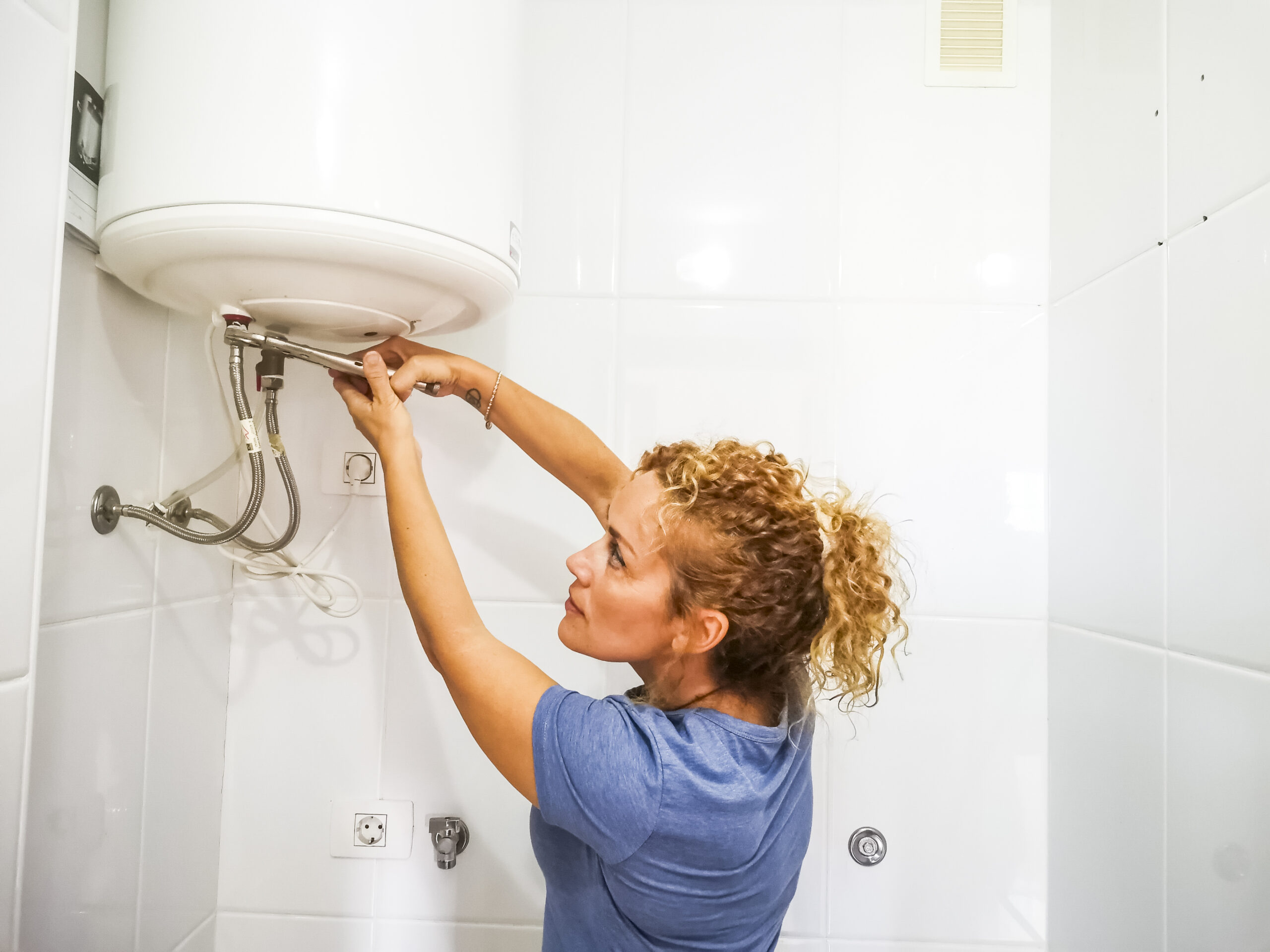
Few things are more jarring than turning on the tap and getting hit with an unexpected blast of cold water. For many South Carolinians, hot water is something we expect to be available to us daily. When faced with a broken water heater, homeowners have to decide whether a simple adjustment will do the trick or if a major replacement is necessary.
Our team has worked in homes all across South Carolina, and we have seen every kind of water heater issue. We want to help homeowners recognize early warning signs and understand what requires urgent attention. and make a confident repair-or-replace decision. The friendly plumbers at Plumbing Solutions LLC will walk you through the situation to help you make a confident and informed repair-or-replace decision.
How Your Water Heater Is Supposed to Work
A traditional tank water heater works by storing a set amount of water and heating it continuously so that hot water is ready whenever you turn on the tap. Electric heaters use heating elements while gas heaters use a burner at the bottom of the tank. Tankless water heaters, which many South Carolina homeowners now prefer, heat water on demand. Cold water flows through a heat exchanger and warms instantly, avoiding the energy losses associated with storing hot water.
Most tank systems last eight to twelve years for gas models and ten to fifteen years for electric units, depending on usage and maintenance. Tankless systems can last even longer, often fifteen to twenty years when properly maintained. Water quality in South Carolina, especially in regions with hard water, tends to promote sediment accumulation within the tank. This sediment lowers performance and causes added strain on heating parts, shortening the tank’s lifespan if it isn’t flushed routinely. The conditions of your system, the number of people in your home, and your hot water usage patterns also affect the degree of wear and tear.
Common Signs Your Water Heater Needs Attention
Before a water heater fails, it often gives early warning signs that something inside the system isn’t working properly.
Inconsistent or Lukewarm Water
If showers suddenly shift in temperature or your tap never gets fully hot, the heater is struggling to keep up with demand. This can be caused by failing heating elements, thermostat issues, or sediment blocking heat transfer.
Strange Noises From the Tank
Rumbling, popping, or banging sounds typically point to hardened sediment at the bottom of the tank. This sediment traps heat and creates hotspots, which can damage the tank lining.
Discoloured or Rusty Water
If the hot tap is showing brown or yellow water, this may indicate internal corrosion. Rust on the inside of a tank water heater is often a sign that the system is wearing down from the inside.
Visible Leaks or Water around the Unit
Dampness or water accumulation around the heater’s base is cause for concern. Small drips can rapidly turn into flooding.
Frequent Problems With the Pilot Light or Heating Element
Pilot lights that repeatedly extinguish, tripped circuit breakers, or error messages on models all signal that parts are malfunctioning. These issues might be fixable, but should never be ignored.
Catching these warning signs early can prevent tank failure, water damage, and unexpected breakdowns. Don’t wait to schedule a professional inspection.
When Repair Still Makes Sense

Repairing a water heater can be the smarter choice when a few key conditions are in your favor, especially if the system still has life left in it.
The Unit Is Within a Reasonable Age Range
If a system remains comfortably inside its lifespan and hasn’t experienced significant breakdowns, repairing is typically worthwhile. A single issue with a new heater generally does not warrant replacing it.
Isolated, Fixable Components
Some parts such as heating elements, thermostats, igniters, pilot assemblies, and pressure relief valves, are inexpensive to replace. When these components fail, repairing them individually can frequently bring the water heater back to service.
No Tank Wall Damage or Heavy Corrosion
Repairing the tank is generally advantageous if the tank is still structurally sound and shows no signs of bulging or major rust. Once a tank starts to degrade further, repairs usually do not last.
Overall Performance Has Been Reliable
If the heater has been working consistently for years and just one little thing goes wrong, it makes sense to fix it. We remind many homeowners that a one-time failure does not mean the entire system is failing.
These situations are where a focused repair can add several years to the system’s life without unnecessary expense.
Clear Signs It Is Time to Replace the Water Heater
Sometimes repairing a water heater is no longer the practical or safe option, especially when the system shows clear signs that it’s reaching the end of its life.
Tank Leaks or Significant Rust
Fixing a leaking tank safely is unfeasible. When water penetrates the metal, the structural strength is weakened. The only lasting fix is to replace it.
Repeated Breakdowns within a Short Period
When a heater requires two or more repairs in a single year, it typically signifies the conclusion of its useful life. Continuously fixing the malfunctioning parts can cost more than installing a new system.
Rising Utility Bills
As sediment accumulates or parts deteriorate, older heaters tend to lose efficiency. A significant increase in utility bills without a rise in usage could suggest the heater is working harder than it should.
Safety Concerns
Other issues, such as backdrafting, combustion problems, or activation of the pressure relief valve, would indicate that the system is not safe to operate. We treat these issues as immediate reasons to consider replacement.
If your water heater is showing any of these warning signs, replacing it now can prevent costly damage, recurring failures, and potential safety hazards down the line.
Ready to Decide Between Repair and Replacement?

No guesswork is needed when you have a licensed team guiding the process. We follow a clear, expert process to help you assess your options. Tackling water heater problems promptly avoids breakdowns, water harm, and needless anxiety. Call our certified plumbers for an evaluation.
Schedule an inspection with Plumbing Solutions LLC today and let us guide you toward the best solution for your South Carolina home.