
Emergency Plumbing
Reliable Service
Sunday through Friday

No two water heater replacements cost the same. The type, size and fuel you choose, where the unit sits, and what your home needs to meet current code all change the final price. Here's what drives the cost, and how to get an accurate number for your home.
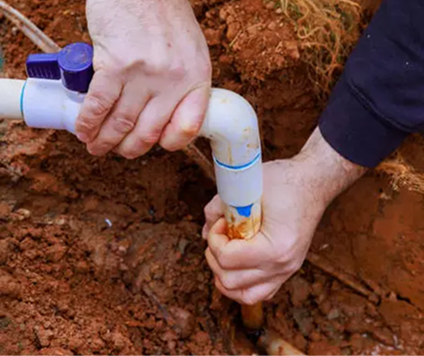
Water heater replacement cost depends on the type (tank, tankless or hybrid), fuel (gas or electric), size, installation location, and any upgrades your home needs, such as venting, gas line changes, an expansion tank or a drain pan. A like-for-like tank swap costs the least; switching types costs more. An in-home look gives you an accurate price.
| Line item | What it covers |
|---|---|
| The water heater | The unit itself: type, size, fuel and efficiency rating |
| Labor | Draining and disconnecting the old unit, installing and testing the new one |
| Removal and haul-away | Taking away and disposing of the old water heater |
| Connections and fittings | Water lines, shutoff valve, gas connector or electrical connection |
| Venting | Flue or vent pipe for gas units; new venting for tankless or high-efficiency models |
| Code upgrades | Expansion tank, drain pan, temperature and pressure relief discharge line, as required |
| Permit | Local permit and inspection, where required |
| Warranty | Manufacturer warranty on the unit and workmanship warranty on the install |
The table below compares installed cost only. Your total cost of ownership also includes what the heater costs to run each month, which depends on the fuel type, the unit’s efficiency rating and your household’s hot water use. Tank, tankless and hybrid models can differ noticeably in operating cost over their lifespan. See our guide to [tank vs. tankless vs. hybrid water heaters] for a side-by-side look at running costs and efficiency.
| Water heater type | Relative installed cost | Why |
|---|---|---|
| Electric tank, like-for-like | Lowest | Simplest swap; no venting or gas work |
| Gas tank, like-for-like | Low to moderate | Adds gas connection and venting checks |
| Hybrid heat pump | Moderate to higher | Higher unit cost; may need a condensate drain and dedicated circuit |
| Electric tankless | Moderate to higher | Often needs a larger electrical service or new circuits |
| Gas tankless | Higher | May need a larger gas line and new venting |
| Switching from tank to tankless | Highest | Combines unit, gas or electrical upgrades, venting and relocation |
Type of water heater. Tank models cost the least upfront; tankless and hybrid heat pump models cost more but often save on energy and last longer.
Fuel source. Gas units need a gas connection and venting. Electric units may need a dedicated circuit, and electric tankless models can need a larger electrical service.
Size and capacity. Larger tanks and higher-flow tankless units cost more. Sizing to your household avoids paying for capacity you don't need, or running out of hot water.
Efficiency rating. High-efficiency and condensing models cost more upfront and less to run each month.
Switching types. Going from tank to tankless or hybrid can add gas line, venting, electrical or drain work. A like-for-like swap is always the simplest.
Installation location. Units in attics, tight closets or crawl spaces take longer to remove and install, and may need a drain pan and drain line.
Code upgrades. Current code may require an expansion tank, drain pan, updated relief valve discharge line or new venting that your old installation didn't have.
Removal and haul-away. Draining, disconnecting and disposing of the old unit is part of every replacement.
Timing. A planned replacement gives you time to choose the right unit. Replacing a failed or leaking water heater in a hurry can limit your options.
Code requirements vary by city and county. A licensed plumber will tell you which upgrades your home needs.
| Upgrade | What it does | When it's needed |
|---|---|---|
| Thermal expansion tank | Absorbs pressure as heated water expands | Common on homes with a closed system, such as a pressure-reducing valve or backflow preventer |
| Drain pan and drain line | Catches leaks before they damage floors or ceilings | Attic, closet and upstairs installations |
| Temperature and pressure relief discharge line | Safely routes water away if the relief valve opens | Every install; older lines may not meet current code |
| Venting | Carries exhaust gases outside | Gas units; tankless and high-efficiency models often need new vent pipe |
| Gas line sizing | Delivers enough gas for the unit's output | Gas tankless and larger gas units |
| Dedicated electrical circuit | Supplies the right power safely | Electric tankless and hybrid units |
| Repair is usually enough when… | Replacement is usually better when… |
|---|---|
| The unit is less than 8 years old | The unit is 10 or more years old |
| A part failed: thermostat, element, igniter or valve | The tank itself is leaking |
| Hot water is clean and clear | Hot water is rusty or discolored |
| It's the first repair in years | You're paying for repairs every year |
| It still meets your household's needs | You regularly run out of hot water |
Planning a replacement before your unit fails gives you time to choose the right type and avoid water damage from a leaking tank.
| Type | Typical lifespan | What extends it |
|---|---|---|
| Gas tank | 8–12 years | Yearly flushing; checking the anode rod |
| Electric tank | 10–15 years | Yearly flushing; replacing elements when needed |
| Hybrid heat pump | 10–15 years | Flushing; cleaning the air filter |
| Tankless | Up to 20 years | Yearly descaling, especially with hard water |
A planned replacement lets you compare options instead of taking whatever is available during an emergency.
A properly sized water heater avoids paying for capacity you don't need.
If you plan to stay for many years, a higher-efficiency unit can pay back its higher upfront cost through lower monthly running costs. If you may sell in a few years, a standard-efficiency replacement can make more sense.
If kids are moving out or the number of people in your home is changing, your hot water demand will change too. Size the new heater for the household you’ll have over the next several years, not the one you had when the old unit was installed.
Staying with gas or electric avoids new gas lines or electrical upgrades.
A higher-efficiency unit can cost more upfront and less every month after.
Some utilities and municipalities/states offer rebates on high-efficiency or heat pump water heaters. Check with yours before you buy.
It should list the unit, labor, haul-away, code upgrades and permit so you can compare quotes fairly.
Two homes with the same water heater can need very different installations. Venting, gas line size, electrical capacity, location and code upgrades all change the price, and most of them can't be seen over the phone. We look at your current setup first, then give you a clear written price, so there are no surprises once work starts.
In-home assessment. We check your current unit, fuel, venting, location and household needs.
Written estimate. You get a clear price and recommendation, including any code upgrades your home needs.
Removal. We shut off water and power or gas, drain the old unit and remove it.
Installation. We install the new water heater with new connections, venting and required upgrades.
Testing. We check for leaks, confirm safe venting and set the temperature.
Haul-away and cleanup. We take the old unit away and leave the area clean.
We see your setup before we price it, so your written estimate reflects your actual home.
Our own licensed team handles every install, including gas lines, venting and code upgrades.
We install tank, tankless and hybrid heat pump water heaters, gas and electric, and help you choose the right one.
We handle permits, expansion tanks, drain pans and venting so your new water heater meets current code.
No hot water or a leaking tank? Call us for fast help. We put active leaks first.
One in-home visit tells you which water heater fits your home, what your installation needs, and exactly what it will cost.
It depends on the type, fuel, size, location and any code upgrades your home needs. A like-for-like electric tank replacement costs the least, while switching from a tank to a gas tankless unit costs the most. An in-home estimate gives you an accurate price.
Repair is usually cheaper for units under about 8 years old with a single failed part, such as a thermostat, element or igniter. If the tank is leaking, the unit is 10 or more years old, or you're repairing it every year, replacement usually costs less over time.
Tankless units often need a larger gas line, new venting or added electrical capacity, plus wall mounting and new connections. A like-for-like tank swap reuses most of what's already in place.
Many homes do. If your plumbing is a closed system, for example with a pressure-reducing valve or backflow preventer, local code often requires a thermal expansion tank to absorb pressure as water heats.
A like-for-like tank replacement is usually done in a few hours. Switching to tankless or hybrid, or adding gas line, venting or electrical upgrades, can take longer.
Insurance usually doesn't cover a water heater that wears out with age. Some policies cover sudden water damage from a burst tank, so check your policy if a leak damages your home.
Tank size depends on your household: roughly 30–40 gallons for 1–2 people, 40–50 for 3–4, and 50 or more for larger families. Tankless units are sized by flow rate. A plumber can size your unit from your fixtures and hot water use.
Venting, gas line size, electrical capacity, location and code upgrades all change the price and can't be seen over the phone. We look at your setup first, so your written estimate reflects your actual home.