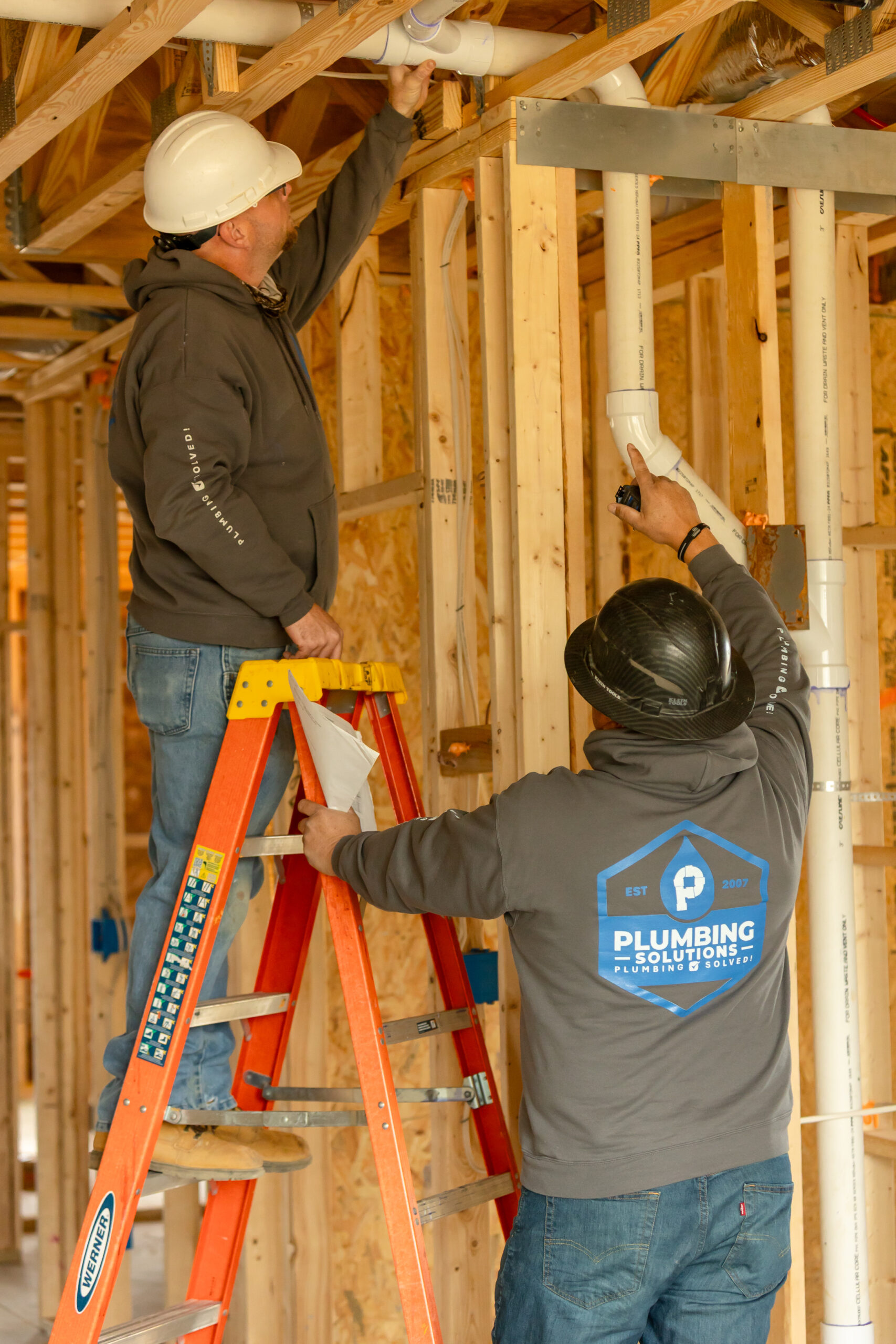
Once a home needs total repiping, most homeowners immediately ask two questions: how disruptive will the project be, and how long will the water be off?
These are completely reasonable concerns! Replacing the plumbing throughout an entire home sounds like a major undertaking. However, many homeowners find the process easier to manage once they understand how the work is planned and staged.
This blog explains what whole-house repiping involves, when water is typically shut off, what affects the timeline, and how to prepare your home so the project goes as smoothly as possible.
What Whole-House Repiping Actually Means
Whole-house repiping involves replacing old or unreliable water supply lines throughout the home.
This is different from fixing a single leak or replacing one damaged section of pipe. The goal is to improve the reliability and performance of the plumbing system as a whole.
Repiping is often recommended when existing pipes are old, repeatedly leak, or no longer deliver water consistently throughout the home.
The Point of No Return: When Homeowners Usually Consider Repiping
Repiping is not the first solution homeowners consider. It usually becomes a discussion after ongoing plumbing problems begin adding up. Some of the common reasons include the following:
- Recurring leaks in different areas of the home.
- Low or inconsistent water pressure.
- Aging pipes showing corrosion or wear.
- Discolored water.
- Frequent plumbing repair visits.
- Renovation projects that already involve opening walls or ceilings.
At some point, repeated repairs may stop feeling like a practical long-term solution.
Why The Water Is Not Always Off For The Entire Project
Many homeowners assume that once repiping starts, the water will remain off until the project is finished. In most cases, that is not how the work is handled.
While a whole-house repiping project may take more than one day, the water is often shut off only during specific stages.
New piping can often be installed before final connections are made, reducing the time the home is completely without water.
What Usually Determines How Long Water Must Be Off
The amount of time water needs to be shut off depends on several factors, such as:
- The size of the home.
- The number of bathrooms and fixtures.
- How accessible the plumbing is.
- Single-story versus multi-story layouts.
- Wall and ceiling access requirements.
- The complexity of the project.
- How the work is staged.
The overall project timeline and the water-off timeline are connected, but not the same.
When Water Is Most Likely To Be Shut Off During A Repiping Project
Water is usually shut off during a few key phases of the project:
- Isolating the existing system.
- Connecting the new piping.
- Completing final tie-ins and testing.
During other stages, plumbers may be able to install new supply lines without requiring the entire home to remain without water. This allows much of the work to happen while managing disruptions.
Why Some Homes Experience Shorter Water Interruptions Than Others
Every home is different. Water interruptions depend on the type of homes:
- Shorter water interruption: Homes with simple layouts, easy access to plumbing, and direct pipe routes.
- Longer water interruption: Older homes with additions, tight spaces, or difficult-to-reach plumbing systems.
This is why two homes of similar size can experience different timelines and water interruption schedules.
What The Repiping Timeline Usually Looks Like From A Homeowner’s Perspective
While every project is unique, the process often follows a similar sequence:
- Initial inspection and planning.
- Protection of work areas.
- Installation of new supply lines.
- Water shutoff for final connections.
- Testing the system and making adjustments.
- Patching the wall and ceiling.
The exact timeline varies, but understanding the general sequence helps you know what to expect.
How To Prepare Before Repiping Begins
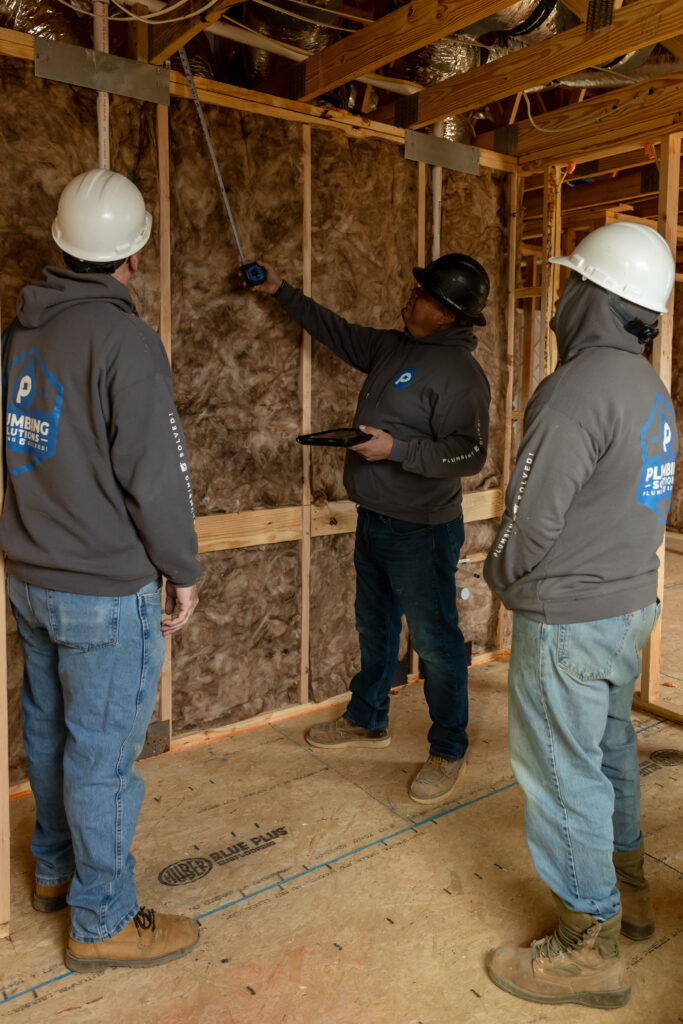
A little preparation can make the project much easier. Do the following before the work begins:
- Ask which areas plumbers will need to access.
- Clear space under sinks and around fixtures.
- Move fragile or valuable items away from work areas.
- Make arrangements for pets and children.
- Charge phones, laptops, and devices.
- Store water for drinking and basic household needs.
- Think ahead about bathroom use during shutoff periods.
Most preparation takes only a short amount of time but can reduce stress once work begins.
What To Set Aside Before The Water Is Turned Off
When a water supply is turned off, consider setting aside the following:
- Drinking water.
- Water for medications.
- Water for simple cleaning needs.
- Easy meal options.
- Supplies for handwashing and toileting.
A little planning beforehand can make a temporary interruption feel much less inconvenient.
How To Prepare Bathrooms, Kitchens, And Laundry Areas
Repiping often affects several areas of the home’s plumbing. Before the crew arrives, clear space around bathroom vanities, toilets, kitchen sinks, laundry hookups, and water heater areas whenever possible.
Providing easier access helps the work move more efficiently and can reduce delays during important connection stages.
What To Expect Inside The Home During The Project
Whole-house repiping typically requires access to plumbing routes hidden behind walls or ceilings. This means some openings may be necessary to remove old pipes and install new ones.
Homeowners should also expect:
- Some noise.
- Movement throughout the home.
- Basic dust-control measures while the project is underway.
Why Planning Makes Water Interruptions Easier To Manage
One of the biggest factors in a smooth repiping project is communication. If you plan, then you may understand the following:
- When will water shutoffs occur?
- Which rooms will be affected?
- How will the work be staged?
Good planning makes the process feel much more manageable; it helps set expectations and reduces surprises throughout the project.
Questions Homeowners Should Ask Before Repiping Starts
Asking a few questions ahead of time can help you prepare more confidently.
Consider asking:
- When will the main water shutoffs likely happen?
- Will water be restored at the end of each day?
- Which fixtures or rooms will be affected first?
- What areas of the home should be cleared?
- Is wall patching included or handled separately?
- How should we prepare for pets, children, or work-from-home schedules?
These questions help ensure everyone understands the plan before work begins.
What Happens After The New Pipes Are Installed
Once the new piping is installed, you should expect the following:
- The system is connected and tested.
- The plumbing is pressurized.
- Fixtures are checked.
- Water flow is confirmed throughout the home.
- Any necessary adjustments are made before the project is considered complete.
Also, if walls or ceilings were opened during the work, homeowners are informed about any subsequent restoration or patching steps.
When It Helps To Leave The House During The Work
Some homeowners stay home throughout the entire project, while others prefer to leave during certain phases. Leaving the house is helpful:
- During louder stages of the work.
- For households with young children and pets that are sensitive to noise.
- Work-from-home schedules that require a quiet environment.
Whether you stay or leave is usually a matter of personal preference and household needs.
Why Choose Plumbing Solutions LLC For Whole-House Repiping
Whole-house repiping is a major project, and clear communication can make a big difference in the experience.
At Plumbing Solutions LLC, we:
- Help homeowners determine whether whole-house repiping is the right solution.
- Explain the process clearly and stage the work as efficiently as possible.
Our team focuses on keeping homeowners informed so water interruptions and household disruptions feel easier to manage.
Need Help Planning For A Whole-House Repipe?
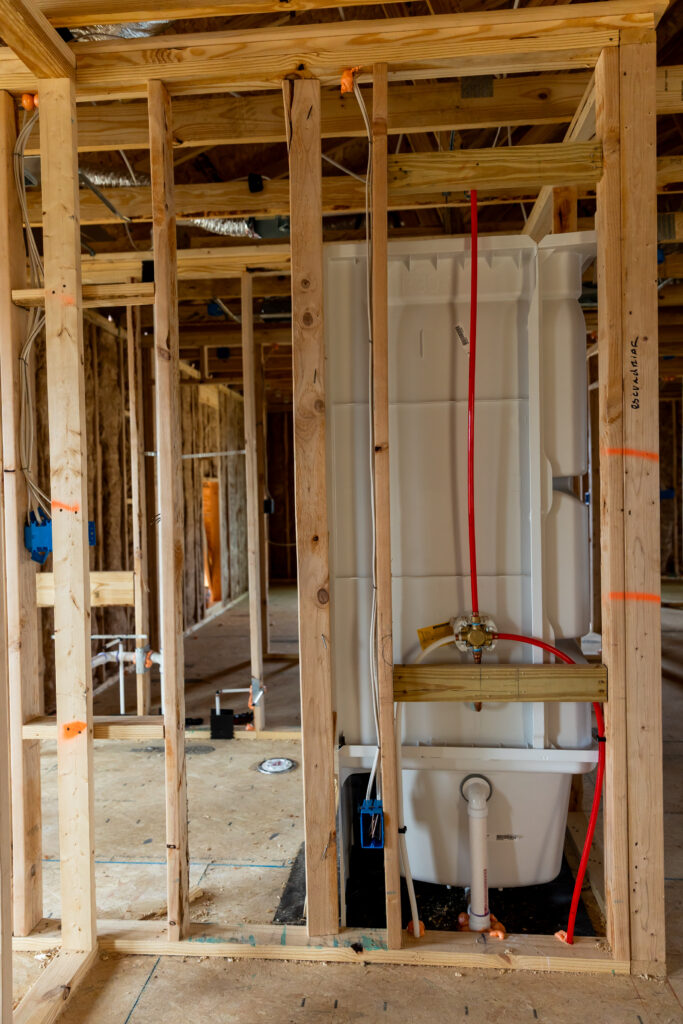
If you’re dealing with aging pipes, recurring leaks, low water pressure, or mounting repair costs, it may be time to explore your options.
Plumbing Solutions LLC provides professional repiping services, plumbing repiping solutions, and residential plumbing services throughout South Carolina.
Contact Plumbing Solutions LLC today to schedule an evaluation and learn whether whole-house repiping is the right long-term solution for your home.
FAQs
Will the water be shut off for the entire duration of a whole-house repiping project?
No. Water is typically shut off only during specific stages, such as final connections and tie-ins. New piping can often be installed before those connections are made, reducing the total time without water.
What factors affect how long the water needs to be off during repiping?
Home size, number of fixtures, plumbing accessibility, and staging all play a role. Homes with simpler layouts and easy access to pipes generally experience shorter water interruptions than older homes with tight spaces or complex layouts.
What should I set aside before the water is turned off for repiping?
Store drinking water, medication water, and supplies for basic handwashing and cleaning. Having easy meal options and fully charged devices on hand also makes the interruption much easier to manage.