

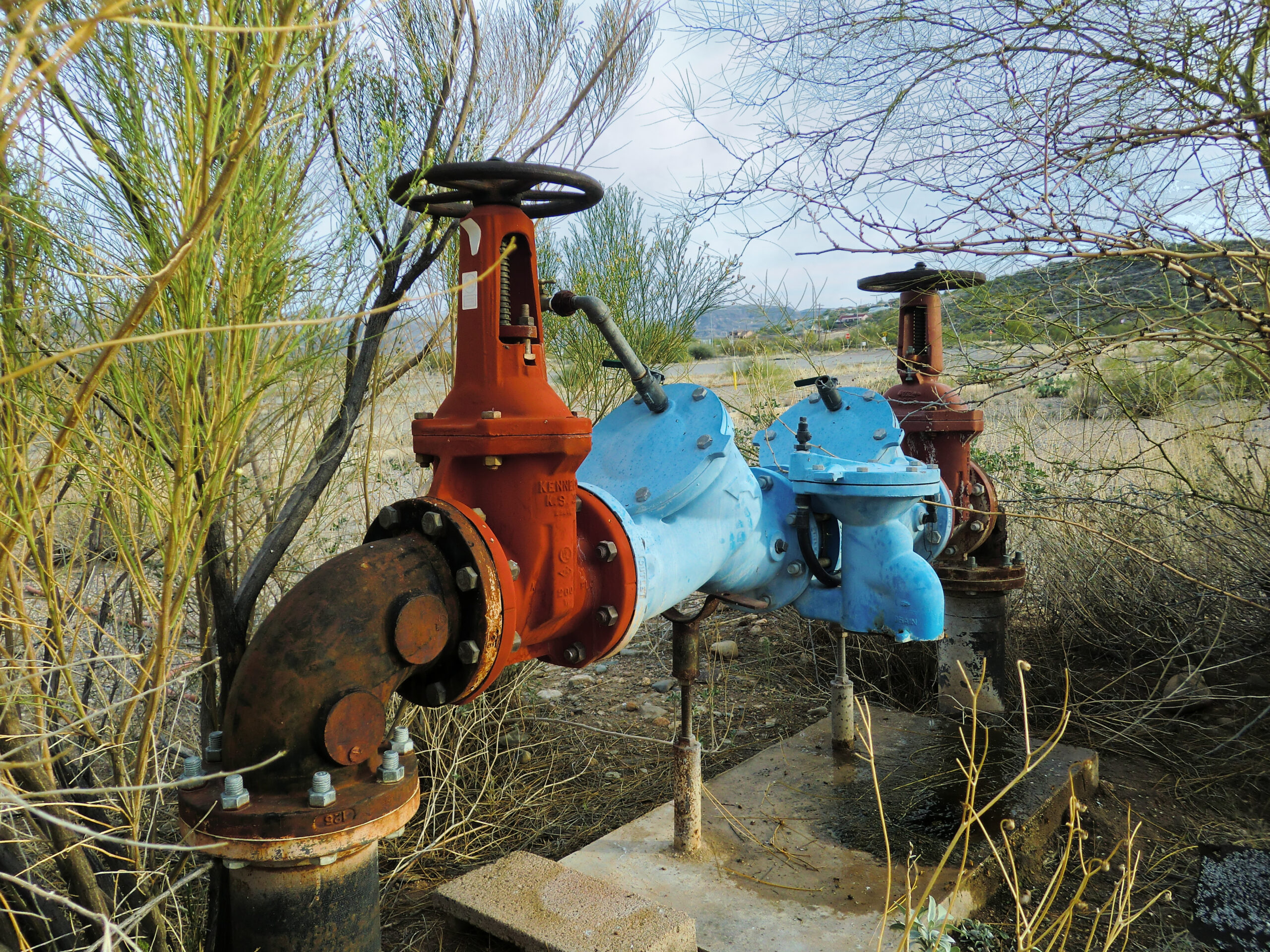
Backflow happens when water reverses direction in your pipes. Contaminated water gets pulled backward into clean supply lines. Pesticides from lawn treatments, pool chemicals, or stagnant hose water can infiltrate lines used for drinking and cooking.
Homeowners seldom consider it until a water provider issues a notice. Irrigation systems and pressure fluctuations from main breaks routinely create backflow conditions. This guide covers backflow fundamentals, common risk locations, and scenarios requiring the installation of a preventer.
What is “Backflow”?
Backflow is the reverse flow of contaminated water into your clean water system. It can be caused by two main issues.
Backflow occurs when pressure drops suddenly. A vacuum forms and sucks water backward. Water main breaks create this instantly. Anything connected to your outdoor hose or irrigation line gets pulled toward the pressure void.
Backpressure occurs when downstream pressure exceeds supply pressure. A booster pump on an irrigation system creates that condition.
Cross-connections reach beyond your property. Fertilizer-tainted water flowing back through a cross-connection can affect water quality beyond your property.
Common Backflow Risks in a Typical South Carolina Property
Irrigation and sprinkler lines are most likely to have backflow issues. These systemsencounter soil, fertilizers, herbicides, and standing water with every cycle. Outdoor hoses are also likely to have backflow issues. Bibb presents frequent hazards as well. A submerged hose in a bucket, linked to a fertilizer sprayer, or dropped into a kiddie pool, opens straight paths for contaminants.
Pools and hot tubs with automatic fill lines call for reliable, ongoing protection. Utility rooms containing water heaters, boilers, or auxiliary pumps pose hazards associated with their unique setups. Multi-tenant buildings amplify risk due to their overlapping plumbing systems.
When Do Homeowners Need a Backflow Preventer?
You need one if you have an in-ground irrigation or sprinkler system. Most South Carolina utilities require protection before the system ties into your main water line.
If your water provider sent a notice requiring a device or annual testing, act immediately. If you install a new irrigation system, pool autofill, or outdoor plumbing you most likely need a backflow prevention device. .
Consistent water pressure issues also demand backflow prevention. Repeated water main repairs, seasonal demand swings, or pressure drops from nearby construction increase the risk of backflow.
When Small Businesses Typically Need Backflow Protection
Businesses that run irrigation systems, commercial kitchens, beverage equipment, or custom plumbing setups require backflow preventers. Multi-tenant buildings or those sharing service lines are subject to even tighter oversight. Fire protection tie-ins and mechanical systems automatically trigger compliance requirements.
Types Of Backflow Preventers And Where They’re Usually Used
Irrigation-Focused Devices
These are installed on the irrigation supply line before it branches into zones. They prevent soil, fertilizers, pesticides, and standing water from entering potable lines.
Pressure Vacuum Breakers mount above ground and must be installed above all sprinkler heads. They’re often cost-effective and popular for residential systems.
Reduced-Pressure Zone (RPZ) assemblies provide higher protection, but cost more and require proper clearance and drainage for testing and maintenance.
Whole-Service (Main Line) Backflow Assemblies
These are installed near your meter or service entry, where utility companiescan access them for compliance checks. Water providers mandate whole-service protection for higher-risk properties. Testers need clear access, and the device must meet specific clearance requirements.
Fixture-Level Protection (When It’s The Right Fit)
Lower-risk scenarios sometimes allow fixture-level devices. A hose bibb vacuum breaker screws onto an outdoor faucet and provides localized protection. If local code requires a specific backflow preventer assembly on the irrigation line, a small device added at a single faucet or fixture will not meet that requirement.
How We Determine What Your Property Needs
Plumbing Solutions LLC starts by confirming the trigger. Did you receive a utility notice? Are you installing new irrigation?
The property layout gets reviewed next. Meter location, irrigation tie-in points, elevation changes, and access for future testing shape the solution. Device type and placement are selected based on local compliance codes. Some jurisdictions require enclosures or freeze protection.
Backflow Preventer Installation: What The Process Usually Looks Like
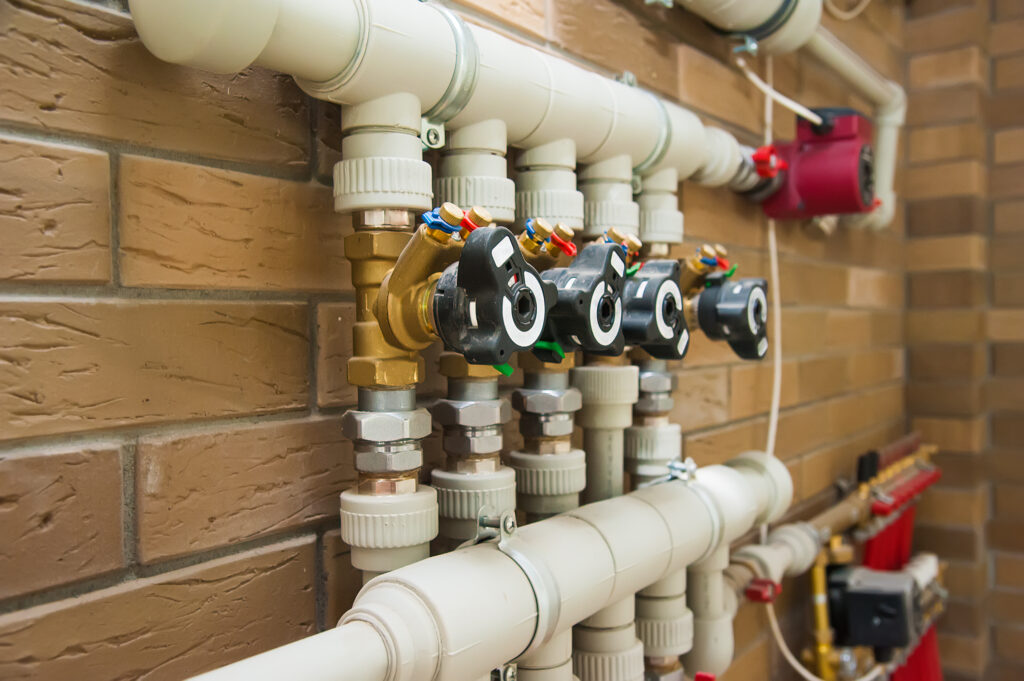
Installation begins by locating the correct point per utility rules and system design. Proper shutoffs and piping support go in so servicing stays safe. The approved device is positioned for easy testing access. The system is pressurized, checked for leaks, and verified for correct operation.
You can help by clearing access to the meter or irrigation control area ahead of time. Locate any past notices from your water provider so compliance requirements are crystal clear.
Testing And Ongoing Compliance: What Property Owners Should Expect
Testing is essential because devices fail over time. Wear, debris, pressure surges, and freezing conditions degrade internal components. Most compliance programs require annual testing. A certified tester checks the device, submits results to your water provider, and flags issues.
If your device fails, repair or replacement keeps you in compliance. Treat testing like preventive maintenance. It costs less than the risks of contamination or emergency fixes.
Common Problems We See With Existing Backflow Devices
Backflow issues are rarely about the device “going bad” overnight. Most of the headaches come from installation choices and missing basics that make testing and maintenance harder than it needs to be.
- Wrong Location or Poor Access: Devices buried underground, crammed into tight corners, or installed out of a tester’s reach turn routine testing into a drawn-out job.
- No Proper Shutoff Valves: Without dedicated shutoffs, even simple repairs can force larger water interruptions than necessary.
- Freeze Damage After Cold Snaps: Exposed or unprotected assemblies can crack and fail when temperatures drop.
- Missing Documentation: When testing records or install details are not available, property owners are left unsure who is responsible for testing and compliance.
If you spot any of these red flags, it is worth addressing them early. A few corrections now can make future testing faster, reduce downtime, and help you stay compliant without surprises.
Professional Installation Vs. DIY: What’s At Stake
DIY backflow preventer installation creates real risks. Meeting compliance rules, choosing the right device, nailing the placement, and prepping for tests call for know-how that few homeowners possess. Those attempts often end in rejected inspections, expensive do-overs, leaks, and clashes with utility companies. Professionals ensure everything works right from the start.
Why Plumbing Solutions LLC For Backflow Preventer Installation In SC
Plumbing Solutions LLC helps you move from confusion to clarity. Our plumbers evaluate your system and lay out what’s required, what’s recommended, and what’s optional. Installation focuses on testing and long-term service. Access, documentation, and clean workmanship aren’t afterthoughts. Compliance is treated as part of the job from the start.
Need A Backflow Preventer For Your Home Or Irrigation System?
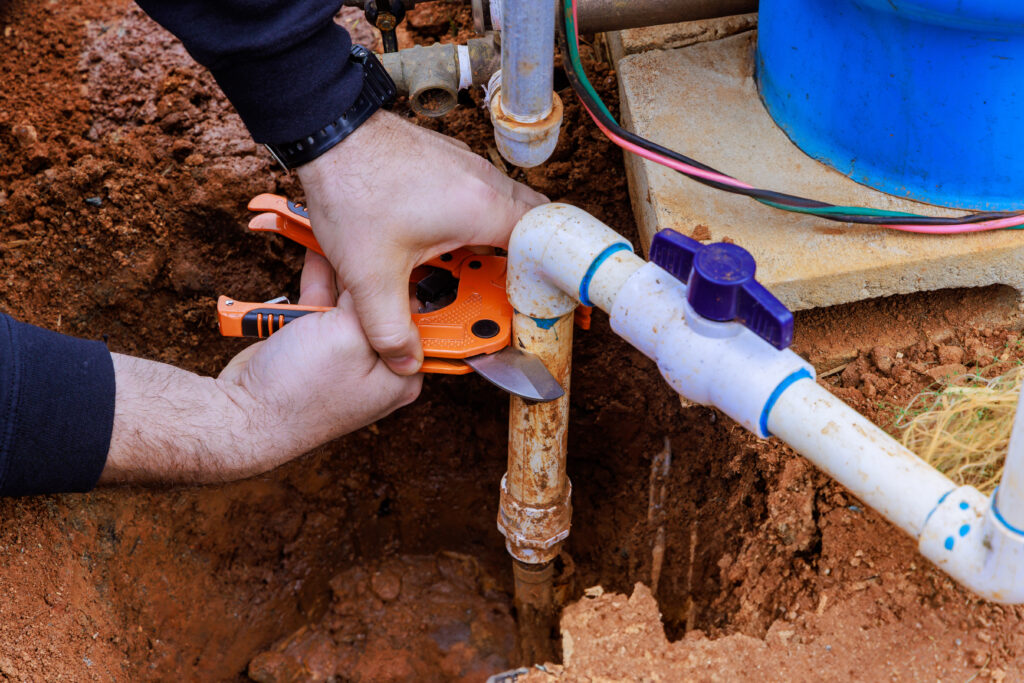
Backflow protection keeps potable water safe and aligns you with local requirements. If you received a notice or you’re installing a new system, schedule an evaluation now.
Contact Plumbing Solutions LLC to understand your utility’s requirements and install a solution that passes testing and remains serviceable for years.