

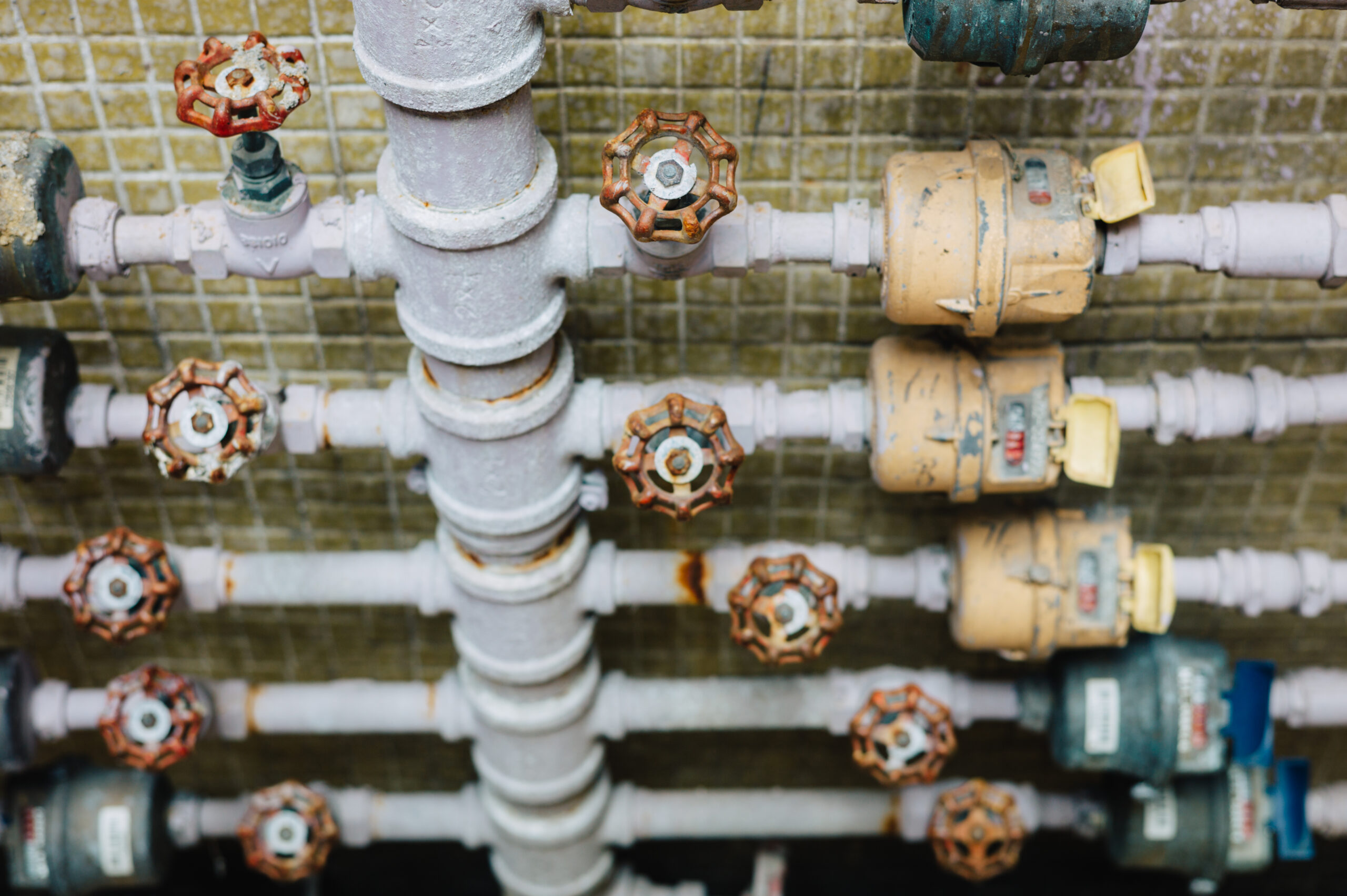
Most people never think about backflow until they receive a notice from their utility provider asking them to test or install a device. Backflow is when water flows in the wrong direction and re-enters the potable water supply. Instead of clean water moving from the supply line into your home or building, contaminated water gets pulled back in.
This guide explains what backflow means, who may need a device and testing in South Carolina, what the testing process involves, and why certified backflow testing matters for safety and compliance.
What Backflow Is And Why It Matters
Backflow occurs when water flows back into the potable water supply. That water is unsafe to use.
It happens for two main reasons:
- Back-Siphonage: The negative pressure in the supply line pulls water backwards, similar to what happens when you suck through a straw.
- Backpressure: The downstream pressure exceeds the supply pressure, forcing the water to flow in reverse.
The point where a safe water supply connects to a potential contamination source is called a cross-connection. Cross-connections such as garden hoses, irrigation systems, boilers, and chemical dispensers exist on both residential and commercial properties.
How Backflow Requirements Work In South Carolina
Your water utility may identify connections that pose a contamination hazard, require an approved backflow prevention device, and mandate periodic testing with proper documentation.
Requirements vary by utility and jurisdiction. The correct device type, placement, and testing cadence must align with your local program. If a device is required, homeowners, businesses, HOAs, and property managers are responsible for keeping it compliant.
Who Typically Needs Backflow Testing In SC
Commercial And Industrial Properties
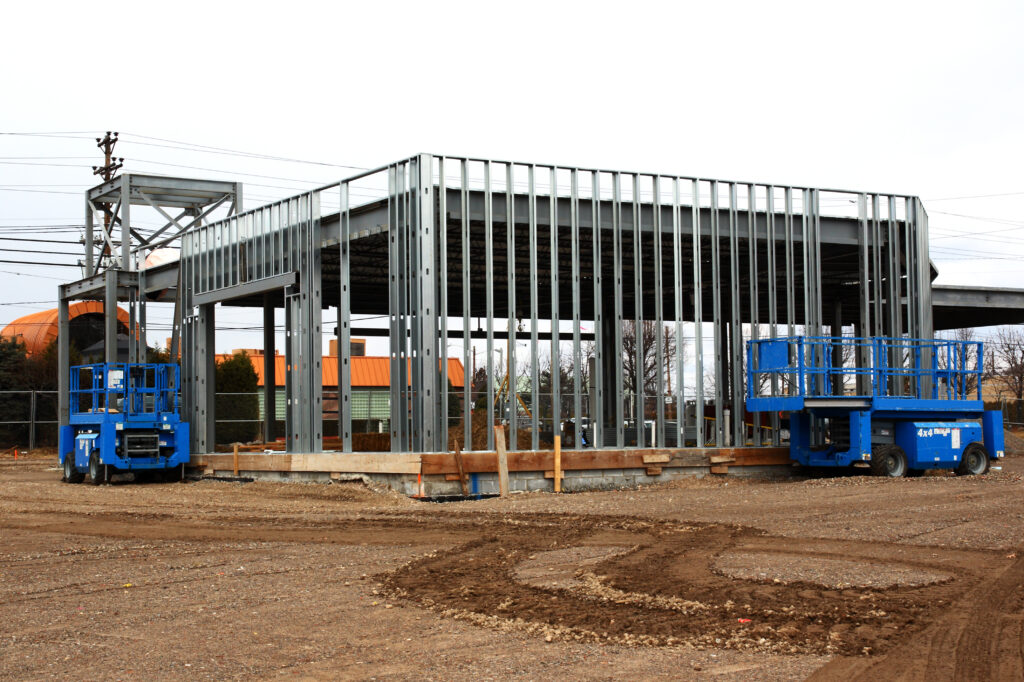
Food service operations, manufacturing facilities, car washes, laboratories, and medical or dental offices all fall into this category. Any site with process water, chemical use, or mechanical systems connected to water lines, such as boilers, chillers, or make-up water systems, needs a testable backflow assembly.
Multi-Family, Mixed-Use, And Shared-Service Buildings
Apartments, condominiums, and multi-tenant retail properties often have a higher hazard classification due to shared water services and system complexity.
Irrigation And Outdoor Water Systems
In-ground irrigation and sprinkler systems are among the most common backflow testing requirements in South Carolina. HOA-managed common areas and any site using fertilizers or pesticides near irrigation lines are included.
Residential Properties With Higher-Risk Connections
Large irrigation systems, pool or hot tub fill lines, water features, and multiple hose connections can trigger a utility requirement for a device and annual testing. If you have received a notice, a licensed plumber can confirm exactly what is required for your property.
How Often Backflow Testing Is Usually Required
Many utilities require backflow testing annually, although the frequency may vary by device type and hazard classification.
Additional testing may be necessary in cases where a new installation, a repair or replacement of an existing assembly, a failed test, or a significant change in a water system occurs.
Licensed plumbers can confirm your required testing schedule and keep documentation current when reminders or notices arrive.
What Happens During A Backflow Test
A certified backflow tester will check the valve, the pressure differentials, and that the assembly is holding as designed.
On-site, a certified tester locates the assembly, confirms accessibility, performs the test with calibrated equipment, and documents the results.
Test reports include device details, pass/fail test results, tester certification data, and submission-ready documentation for your utility provider and property records. A professional service visit should include transparent pricing and proper documentation.
Why You Need A Certified Backflow Tester
Backflow testing must be performed by qualified personnel using calibrated equipment, with results documented correctly for submission.
Incorrect testing, improper device selection, or faulty installation pose real contamination risks and lead to failed inspections. For commercial properties and property managers, unreliable documentation can lead to missed deadlines, utility escalations, and operational disruptions.
Certified technicians carry out every inspection, installation, and repair in accordance with your local utility program’s requirements.
What A Failed Backflow Test Means
A failed test means that the device is not properly protecting the water supply as needed. The device needs to be repaired or replaced.
If a device fails, the next steps are:
Step 1: Identify the cause.
Step 2: Repair the device where possible
Step 3: Test the device again.
Step 4: Submit corrected documentation.
Some utilities escalate notices or require faster resolution when failures recur or remain unaddressed.
When Installation Or Replacement Is Needed
Common triggers for a new backflow preventer installation or replacement include a new irrigation system, a building renovation or change of use, a utility notice, repeated test failures, freeze damage, or an aging or obsolete assembly.
Plan for correct placement, easy access for future testing, proper shutoffs, and protection from physical damage, such as South Carolina cold snaps and landscaping impacts.
A Practical Compliance Plan For Businesses, HOAs, And Property Managers
If you manage a business, HOA, or commercial property:
- Maintain a current inventory of all devices on the property.
- Track testing due dates.
- Schedule ahead of peak seasons.
- Store all documentation in one place.
Consistency matters. Missed deadlines can trigger utility notices. Incomplete records slow down property sales, audits, and tenant transitions. Clean, up-to-date documentation keeps renewals smooth and makes compliance easier to manage.
Plumbing Solutions LLC works with businesses, HOAs, and property managers as an ongoing compliance partner. From scheduling and on-site testing to documentation and follow-up repairs, we keep your backflow program on track every year.
Why Choose Plumbing Solutions LLC For Backflow Testing And Prevention In SC
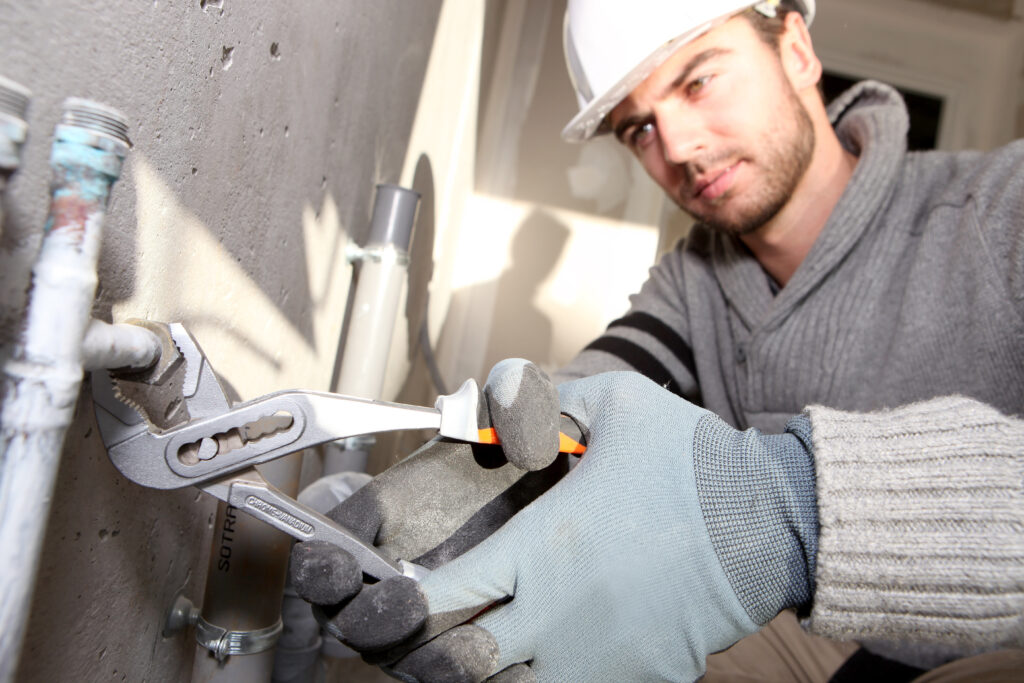
Plumbing Solutions LLC handles device selection, installation, and backflow testing in line with local utility requirements.
Certified technicians handle residential and commercial properties, focusing on clean documentation, dependable scheduling, and installations designed for future testing access.
Every visit includes a clear explanation of what is required, what is recommended, and what needs immediate attention.
Need Backflow Testing Or A Prevention Plan?
If you have received a utility notice, manage a property, operate a business, or have an irrigation system, Plumbing Solutions LLC can confirm your requirements, test your assembly, document the results, and recommend the right next step if anything fails.
Schedule your inspection with Plumbing Solutions LLC or request same-day service.