

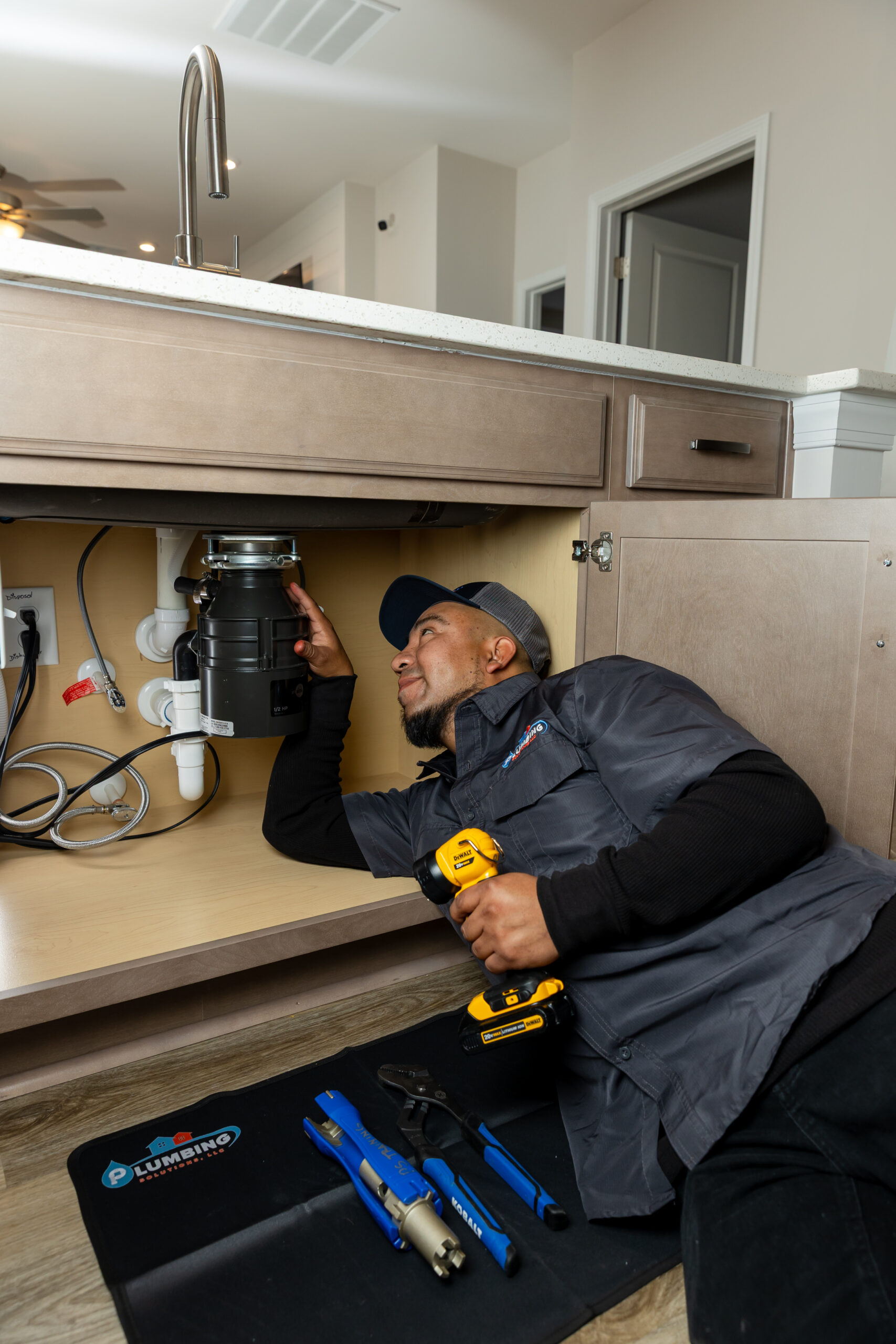
Does your kitchen disposal make a low humming sound but nothing happens? Or did it work fine yesterday, and now it’s completely jammed? Or does a puddle form under the sink every time it runs?
These issues often start as minor inconveniences, but they can quickly interrupt cooking, cleaning, and daily kitchen routines. Most disposal issues stem from jams, worn-out seals, drain clogs, loose connections, or incorrect mounting, all of which are fixable once the real cause is identified.
This guide explains what humming, jams, and leaks actually mean, why they happen, which mistakes make things worse, and when you should call a professional for garbage disposal repair.
What A Garbage Disposal Is Supposed To Do
A garbage disposal breaks down small food scraps so they move through your kitchen drain without getting stuck.
It works best when there is proper water flow, a clear drain path, and the right type of food waste. Many disposal problems stem from misuse, sludge buildup, or wear and tear over time.
Knowing what your garbage disposal is designed to handle can help prevent repeated repairs.
Why A Garbage Disposal May Hum Without Grinding
A humming disposal means the unit is getting power, but the grinding components can’t turn.
This happens when food debris, a foreign object, grease buildup, or an internal jam blocks the grinding components from moving.
Humming is a warning sign to stop running the unit, as forcing it can burn out the motor.
What Usually Causes Garbage Disposal Jams
Below are some instances that can jam a garbage disposal:
- A fork or spoon fell in and is stuck between the blades.
- Fibrous foods like celery or corn husks wrap around and stall the internal components.
- Grease and sludge have hardened, restricting movement.
- Large or hard scraps cause resistance on the blades.
- You overloaded the unit all at once instead of disposing of scraps in batches.
- The garbage disposal is older, which affects how its components move.
This doesn’t mean the unit is completely damaged, but there’s a high chance something is preventing normal operation.
Why Garbage Disposal Leaks Can Come From Different Places
Not all disposal leaks come from the same spot. There can be other spots like:
- Sink flange at the top.
- Connection between the dishwasher, drain pipe, and the disposal unit.
- The reset button area or from the unit body itself.
Identifying the source of the leak helps you determine whether a loose fitting needs tightening, a worn seal needs to be replaced, or the outer protective casing of the disposal unit is damaged.
Common Signs Your Garbage Disposal Needs Repair
Consider repairing the garbage disposal unit if you come across the following situations:
- It hums but does not grind the garbage.
- It jams again and again, even after you clear it.
- Water leaks under the sink when the disposal runs.
- Bad odors remain despite repeated cleaning.
- The kitchen sink drains slowly after using the disposal.
- Unusual rattling or grinding noises.
- The disposal trips the breaker or stops unexpectedly.
- The reset button demands repeated attention.
One symptom might be manageable, but repeated problems usually mean the issue isn’t fully resolved and needs professional garbage disposal repair.
Why DIY Fixes Sometimes Make Disposal Problems Worse
Many homeowners try DIY hacks they see online. These may include:
- Hitting the reset button.
- Running drain cleaner.
- Flipping the switch repeatedly on and off.
- Hoping that chemical cleaners can fix the mechanical issues.
While these fixes might help in minor cases, forcing the unit to run while jammed puts strain on the motor. DIY hacks do not work when:
- The damage is internal.
- The disposal unit jams repeatedly.
- There’s an active leak.
Sometimes, forcing a disposal through the wrong fix can make the repair more expensive later.
What Should Never Go Into A Garbage Disposal
Avoid putting the following items into the garbage disposal:
- Grease, fats, or oils: These solidify and cause clogs.
- Fibrous vegetables: Celery, asparagus, and corn husks wrap around blades and prevent them from moving.
- Large bones: Bones are hard and may damage the grinding components.
- Coffee grounds: Small amounts are fine, but heavy loads can cause sludge buildup.
- Pasta or rice: These items expand when they absorb water, which can clog the drain.
- Eggshells: Small amounts may pass through, but heavy or repeated use can contribute to buildup.
Avoid misusing the garbage disposal unit to prevent it from jamming or draining poorly.
Why A Disposal Problem May Also Be A Drain Problem
Issues with garbage disposal are not always limited to the unit. There is a high chance that your kitchen sink drainage pipe has grease buildup or a partial blockage farther down the drain line.
The disposal may function properly, but water might back up into the sink or drain slowly afterward. Sometimes what looks like a disposal issue is actually a drainage issue that needs repair.
When A Leak Or Jam Points To Wear Instead Of A One-Time Problem
Disposal units that have been used for a long time develop issues such as worn-out seals, loose internal parts, or weak motor function.
A one-time jam is manageable, but recurring humming, repeated resets, or persistent leaks suggest the disposal is not functioning properly.
In such cases, the garbage disposal’s age must be considered during diagnosis. This is the point where installing a new garbage disposal unit becomes the smarter investment.
What A Plumber Checks During A Garbage Disposal Diagnosis
A plumbing repair professional will:
- Review the symptoms and when they started.
- Determine whether the problem is related to electricity, mechanical function, or drainage.
- Inspect visible connections, mounting points, and leakage locations.
- Test the disposal’s response and movement safely using proper tools.
- Determine whether the issue is a jam, a clog, a worn seal, a damaged outer casing, or a failing motor.
Good diagnosis prevents replacing the wrong part or missing a bigger kitchen plumbing issue.
What Repair May Involve
Once the cause is confirmed, the repair depends on the actual issue.
- Simple jam or loose connection: This is repairable without major work.
- Leak at a fitting: Might need resealing or reconnecting.
- Damaged outer casing: The entire disposal unit needs to be replaced.
The goal is to find a fix that actually solves the problem, not just a temporary solution.
How To Help Prevent Future Garbage Disposal Problems
You can use these tips and tricks to prevent garbage disposal issues in the future:
- Use cold water: Run cold water during and after using the disposal unit. It helps flush debris and keeps grease from solidifying.
- Dispose in batches: Feed food scraps gradually instead of dumping everything at once.
- Avoid grease buildup: Keep grease and oils out completely.
- Dispose mindfully: Avoid using the disposal for hard, fibrous, or expandable waste (bones, celery/corn silk, pasta/rice).
- Notice strange noises: Pay attention to strange noises early.
- Fix repeated jams: Schedule service if leaks or repeated jams start showing up.
Simple kitchen habits and early action can help keep your disposal working properly.
When It Is Time To Call For Professional Garbage Disposal Repair
It is time for professional garbage disposal repair when:
- The disposal hums but won’t grind the waste.
- Keeps jamming even after clearing.
- Leaks under the sink.
- Trips the breaker repeatedly.
- Odors persist despite cleaning.
- Causes sink backups.
Waiting can make the drain problem worse. Early professional services will be less expensive than emergency services after damage has occurred.
Why Choose Plumbing Solutions LLC For Garbage Disposal Problems
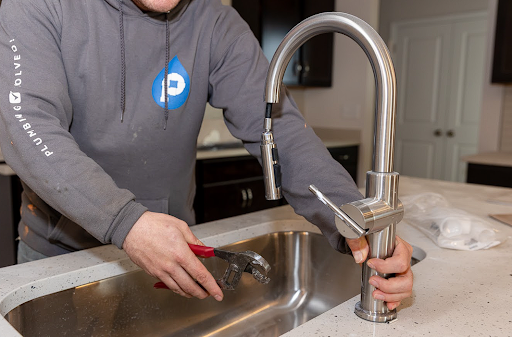
The unit itself does not always cause garbage disposal problems. In many cases, the issue may involve the drain line, sink connection, or surrounding kitchen plumbing.
Proper diagnosis is essential before any repair or replacement decision is made.
Our licensed plumbers will:
- Identify root causes: Determine whether the issue is coming from the garbage disposal, drain connection, or another kitchen sink plumbing problem.
- Inspect internal components: Check for jams, worn seals, motor issues, and internal damage that could affect performance.
- Examine drain conditions: Look for blockages or buildup that may cause backups, slow drainage, or repeated disposal issues.
- Recommend practical solutions: Suggest the most sensible repair or garbage disposal installation based on the unit’s actual condition and plumbing system.
- Avoid unnecessary upselling: Focus on accurate diagnosis and long-term solutions rather than recommending a replacement without proper inspection.
With Plumbing Solutions LLC, homeowners get practical, honest solutions designed to restore proper kitchen function without guesswork.
Need Help With A Humming, Jammed, Or Leaking Garbage Disposal?
If your garbage disposal is humming, leaking, jamming, or backing up the sink, Plumbing Solutions LLC can help identify the cause and recommend a repair that addresses the root cause.
Our licensed plumbers provide garbage disposal repair, leak detection, and kitchen plumbing services throughout South Carolina.
Contact Plumbing Solutions LLC today for an honest diagnosis and reliable solutions that get your kitchen back to normal.