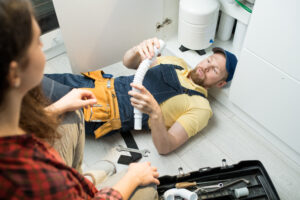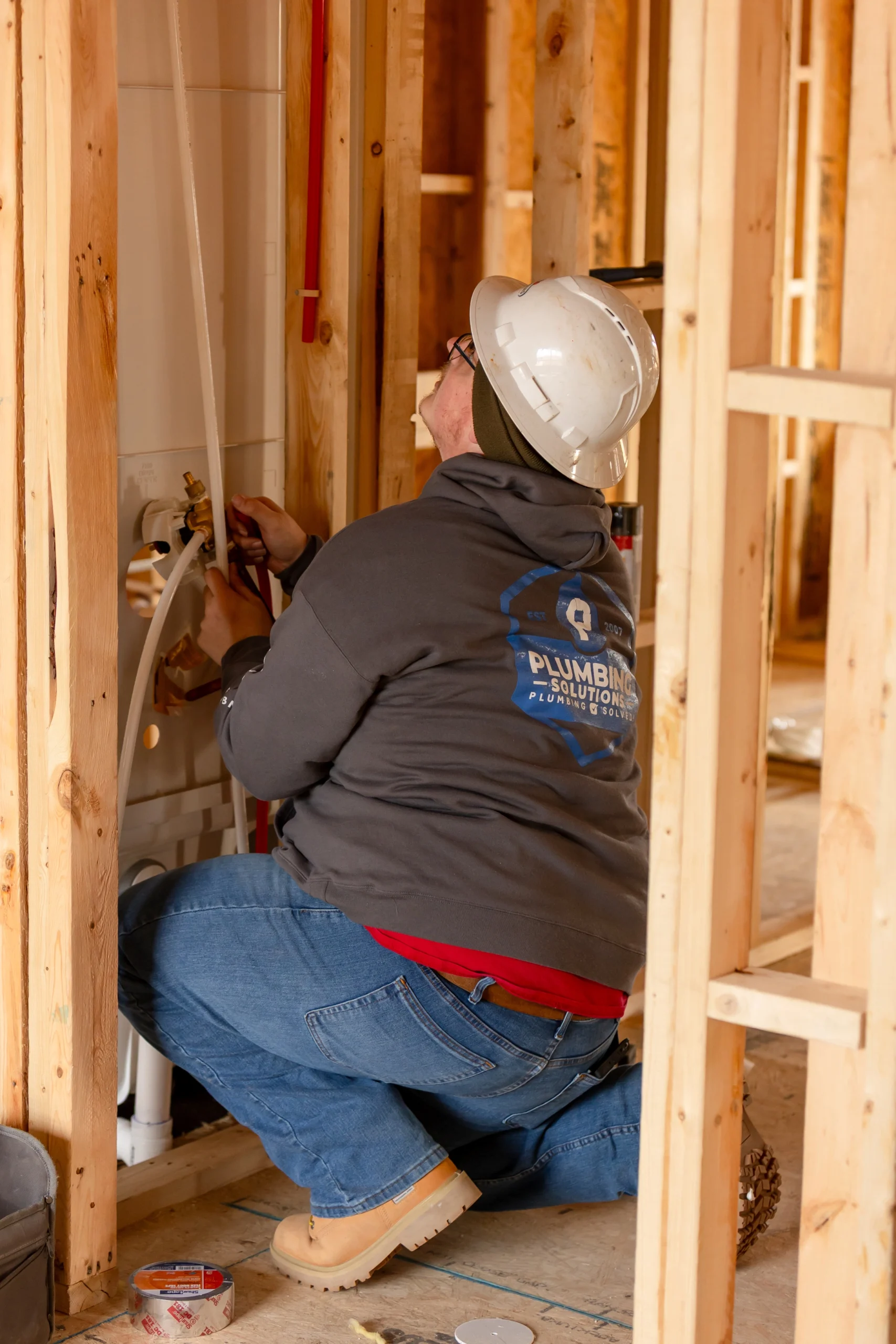
We often rush to the plumber at the first sign of a minor inconvenience with our systems, but not every problem needs a midnight call. Sometimes it can be confusing to determine whether a leak, clog, strange smell, or sudden loss of water requires an emergency plumber or can be delayed until regular business hours.
While some plumbing problems can cause greater damage and safety risks, others can seem inconvenient but are manageable overnight. This blog explains the difference between a real plumbing emergency and one that can wait till morning, and what you should do in the meantime.
What Usually Counts As A Plumbing Emergency
A plumbing emergency is not simply a problem that feels inconvenient. It is an issue that could quickly damage the property, create a health or safety risk, or leave the household without essential plumbing.
Problems that usually require immediate attention include:
- Active flooding or rapidly spreading water
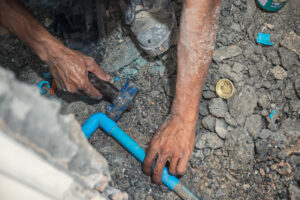
- A burst pipe or major uncontrolled leak
- Sewage backing up through drains, tubs, or toilets
- A complete loss of usable water
- A suspected gas line problem
- Water leaking near electrical wiring, outlets, or fixtures
- An overflowing toilet when no other toilet is available
The faster the problem can spread or threaten the people inside the home, the more important it is to contact an emergency plumber immediately.
A Burst Pipe Should Be Treated As An Emergency
A burst pipe can release a large amount of water in a short time, damaging floors, walls, ceilings, cabinets, electrical systems, and personal belongings. It needs immediate assistance, such as safely shutting off the main water supply, moving valuables away from the affected area, and calling emergency plumbing services. Neglecting a burst pipe till morning can cause serious damage.
A Major Active Leak Needs Immediate Attention
While a small drip can wait overnight, a major active leak where water is spreading, soaking materials, leaking through the ceiling, or pooling near electrical fixtures requires a call to an emergency plumber right away. The CDC recommends following specific safety precautions when sewage is involved, including using appropriate protective equipment and avoiding unprotected contact with affected water. Shutting off the main valve can provide temporary help until the plumber arrives.
Sewer Backups Are Plumbing Emergencies
Sewer backups, like sewage coming up through tubs, showers, floor drains, or toilets, multiple drains backing up at once, or strong sewer odors inside the home, can bring in contaminated water and raise sanitation concerns, making it an emergency.
It becomes important to avoid using more water and keep people and pets away from the affected area until the emergency plumber arrives.
No Working Water Can Also Be An Emergency
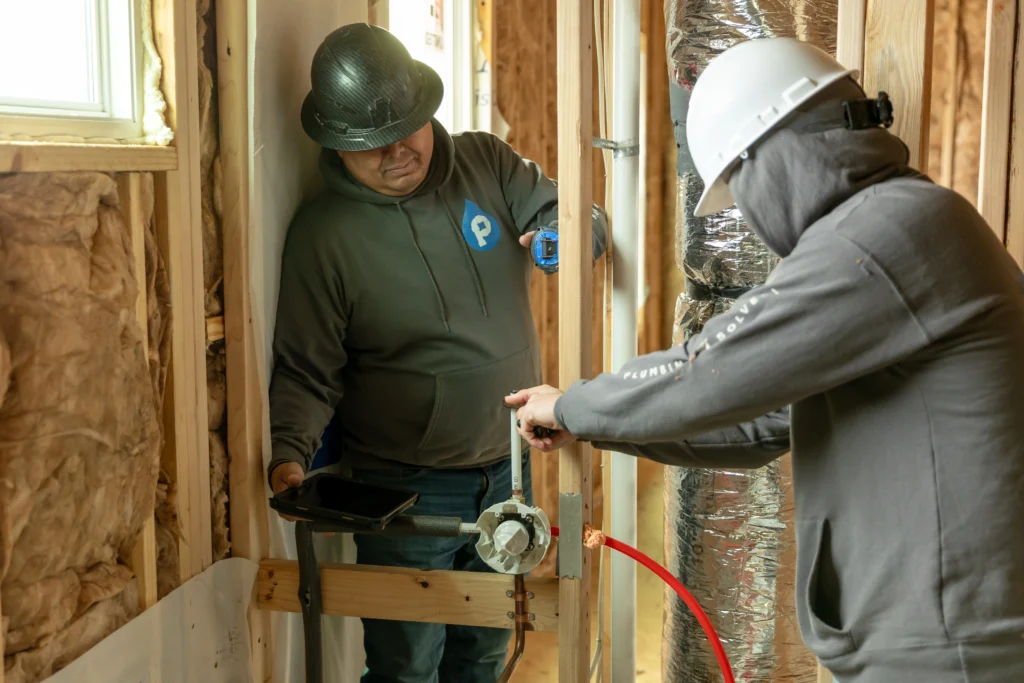
Running water is needed for drinking, toilets, hygiene, and basic household functions. cases of complete loss of water, immediate plumbing services are needed, especially when it is connected to a utility outage and disrupts household routines.
It is better to find out if neighbors are also affected or if the problem is isolated to your home before calling a plumber.
Gas Line Concerns Should Never Wait
A gas line concern is the most urgent of all and should never be neglected. If a company handles gas plumbing, it is better to report the suspected gas line issues.
Leaving the house, avoiding the use of switches or flames, and contacting the gas utility ot emergency services before calling a plumber can prevent damage and safety risks.
What Can Usually Wait Until Morning
Some plumbing problems may be inconvenient without posing an immediate threat to the home. An issue may be manageable overnight when it is fully contained, not spreading, and doesn’t involve sewage, gas, electricity, or the loss of an essential fixture.
Problems that can often wait until regular service hours include:
- A single slow or clogged drain
- A minor faucet drip
- A running toilet that can be shut off
- A small leak that is fully contained in a bucket
- A clogged sink or shower when other fixtures remain usable
- A minor fixture problem that can be isolated with a shutoff valve
These problems should still be scheduled for repair rather than ignored, since a small issue can worsen over time.
A Single Clogged Sink Or Shower May Not Be An Emergency
If the home’s plumbing works fine,and only a single drain is slow or clogged, the issue may be local to the fixture and can be treated by avoiding that particular shower, sink, or tub. If it doesn’t get better, it is important to schedule a clogged-drain repair rather than using harsh drain-cleaning chemicals, especially when the clog is stubborn.
A Running Toilet Can Often Be Managed Overnight
A running toilet can be annoying and waste water, but it can be managed by turning off the toilet’s water supply until the plumber arrives. If the toilet is overflowing or there is only one toilet in the house, it can count as an emergency.
A Small Drip May Be Able To Wait If It Is Contained
If a small or slow drip under a sink or near a fixture is contained and does not reach the floors, cabinets, walls, or electrical areas, it may be manageable until morning. It can be useful to place a bucket or towel and, if possible, shut off the fixture valve.
How To Decide If You Should Call Now Or Wait
Not every scenario needs an emergency plumber. It is better to inspect these things thoroughly before calling for urgent assistance.
- Is water actively spreading?
- Is sewage involved?
- Is there a gas smell or safety concern?
- Is the home without water?
- Is the leak near electrical wiring or fixtures?
- Is there only one working toilet or bathroom?
- Can the affected fixture be shut off to avoid it?
It is better to call an emergency plumber if the problem can cause serious damage or a health risk.
What To Do While Waiting For A Plumber
Once an emergency plumber has been contacted, a few immediate steps may help contain the problem and protect the home.
When it is safe to do so:
- Shut off the main water supply.
- Turn off the shutoff valve for the affected fixture.
- Stop using sinks, toilets, showers, and appliances connected to the affected drain.
- Keep children and pets away from sewage or contaminated water.
- Move furniture, electronics, and valuables away from the affected area.
- Place buckets or towels beneath contained leaks.
- Take photos of visible damage for your records.
- Avoid touching electrical equipment near standing water.
These steps will not repair the underlying problem, but they may reduce further damage until the plumber arrives.
Why Calling Early Can Prevent More Damage
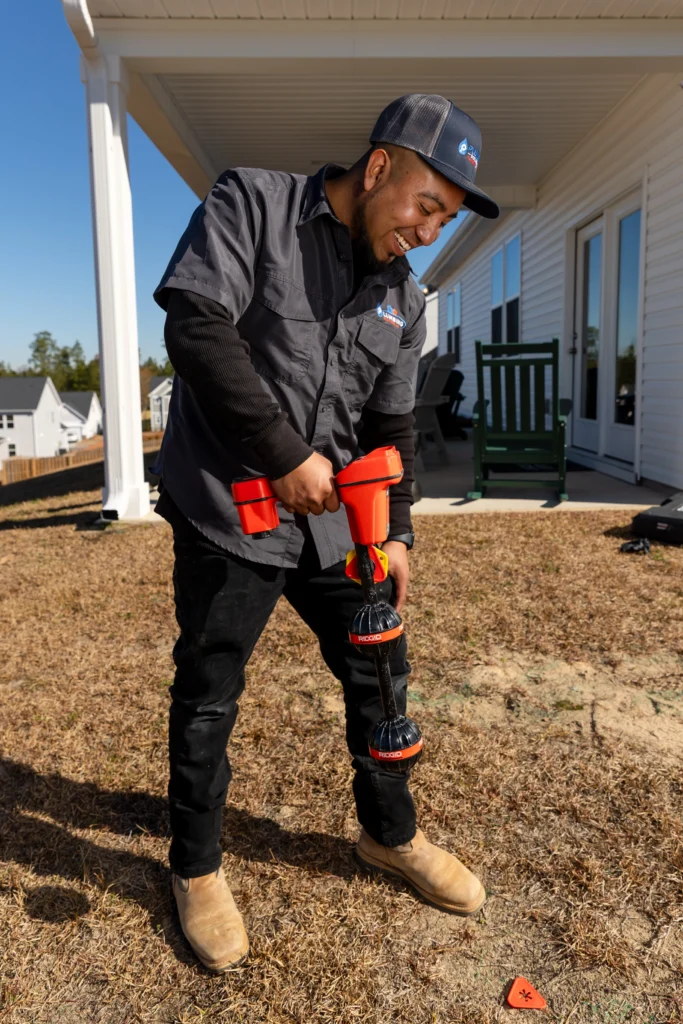
While some problems seem less urgent, waiting can increase the issue. Calling a plumber early can help determine if the issue needs immediate plumbing services or can wait till the next day. Early communication can reduce uncertainty and protect the home before serious damage occurs.
Why Plumbing Solutions LLC For Emergency Plumbing Questions
We are calm, responsive, and helpful, and we help you understand if the issue is urgent, what steps you can take, and what repair may be needed.
Whether it is a burst pipe, sewer backup, major leak, or a problem that can wait until morning, we help you make the right decision each time.
Need Help Deciding If It Is a Plumbing Emergency?
While every plumbing problem can be annoying, it is not always the right time to call a plumber. An urgent situation seems active, unsafe, or leaves the home without essential plumbing.
If you are unsure whether the situation is urgent or can wait until morning, Plumbing Solutions LLC can help you determine the next step and schedule the appropriate service.