A slab leak can be frustrating, especially since the pipe is hidden under the home’s foundation. While most homeowners want to know the cost of slab leak repair right away, the repair cost actually depends on several factors that can only be confirmed after the leak’s location is detected and the condition is evaluated.
This blog explains the main cost factors, including leak location, severity, access, detection needs, repair method, and restoration work.
What A Slab Leak Actually Is
A water line leak beneath a house’s concrete foundation is usually called a slab leak. Unlike a visible leak, it can remain unnoticed because the pipe is hidden beneath the slab. Homeowners can learn more about the common signs and methods used for finding hidden plumbing leaks before extensive damage occurs.
When ignored, a slab leak can damage flooring, walls, water pressure, utility bills, and parts of the foundation.
Why Slab Leak Repair Cost Depends On The Situation
Every house has a different foundation and different leaks, making it difficult to assign a single cost for slab leak repair. Some houses can have small, easy-to-access leaks and require a different repair approach than leaks under finished flooring, deep below the slab, or near multiple plumbing lines.
Every slab leak is different, so the cost varies based on how quickly the leak is found, how easy it is to access, the extent of damage already caused, and the best repair method.
Factor 1: The Location Of The Leak
Tracing a slab leak’s location is the biggest cost factor because a leak near the edge of the home, in the garage, or in an accessible area is simpler to address than one under the kitchen, bathroom, hallway, or finished living space.
Leaks that require removing or protecting finished materials to access them, such as under tile, hardwood, cabinets, or built-in fixtures, require extra care and can cost more.
Factor 2: How Severe The Leak Is
Early detection can make a small pinhole leak easier to manage, while a larger leak may cause extensive water damage, higher water bills, and moisture problems beneath the flooring. The EPA recommends checking water usage and meter activity because an unexplained increase in water consumption may indicate a hidden leak.
Both cost and repair time can increase when additional drying, cleanup, and restoration are needed. Finding the leak early can help limit disruption and keep the repair more manageable.
Factor 3: How Easy The Leak Is To Access
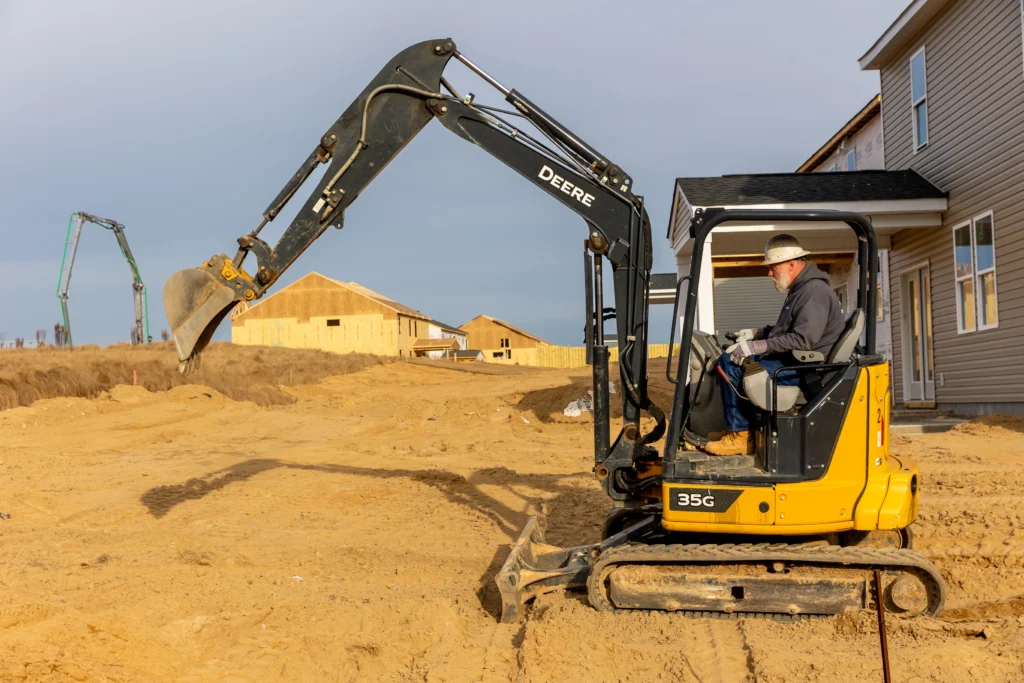
An easy-to-access leak requires minimal disruption, making the repair cost-efficient. Still, a severe leak that requires cutting through concrete, working around flooring, moving fixtures, or navigating tight spaces can make the repair more expensive and involved.
Access concerns both the leak location and the obstacles that must be overcome to reach the pipe.
Factor 4: The Type Of Flooring Or Surface Above The Leak
A finished flooring surface can add complexity when it involves tiles, hardwood, laminate, carpet, and concrete, as each requires different handling.
While some materials can be easier to remove and replace, others may involve careful restoration, especially when the leak is under expensive or difficult-to-match flooring, demanding careful consideration of both plumbing repair and surface restoration.
Factor 5: Whether Leak Detection Is Needed First
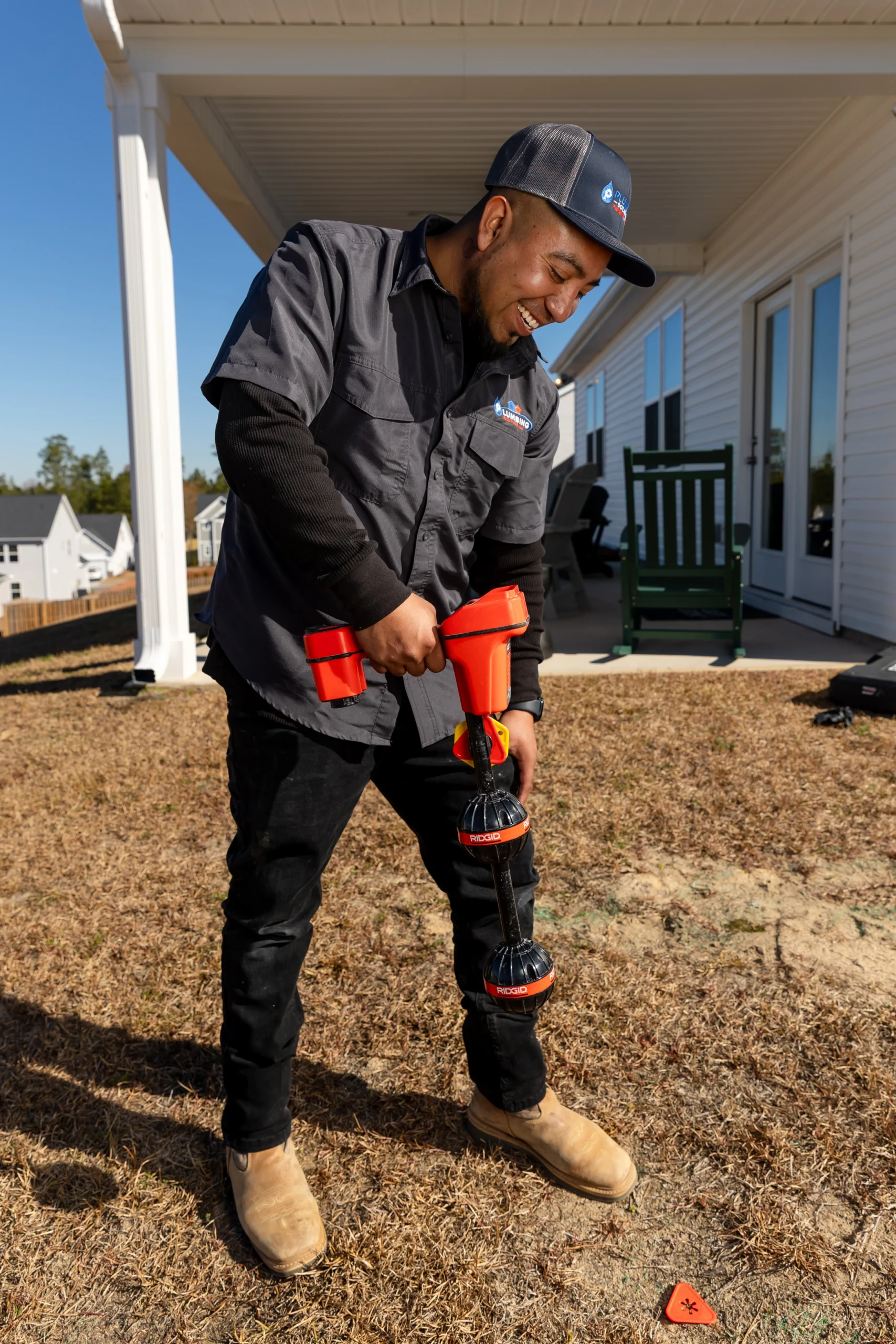
Slab leak detection is often the first step because the affected pipe is hidden beneath concrete. A plumber may need specialized equipment to pinpoint the leak before recommending where and how to access it.
Technologies such as leak-detection and flow-monitoring devices can identify unexpected moisture or unusual water-use patterns. Although professional detection adds to the total cost, accurately locating the problem can prevent unnecessary concrete removal and additional restoration expenses.
Factor 6: The Repair Method Used
Different slab leaks require different approaches based on the house and the condition of the plumbing system.
While some leaks require opening the slab at the leak location, others require rerouting a line or replacing a pipe. A local plumber can recommend the right approach based on the pipe material, leak location, the age of the plumbing, and whether the issue appears isolated or part of a larger pattern.
Factor 7: Water Damage And Restoration Needs
A slab leak can cause heavy damage, making plumbing repair only a small part of the total project. While a plumber can repair the leak, issues such as moisture under the flooring, damaged drywall, warped baseboards, mould concerns, or structural moisture issues may require cleanup or restoration, depending on how far the water traveled.
When A Simple Spot Repair May Make Sense
If the leak is isolated, the pipe is in good condition, and it is safely accessible, then spot repair is the right solution, as it can address the immediate issue. However, a local plumber still needs to evaluate whether the rest of the system can remain reliable.
When Rerouting Or Repiping May Be The Better Option
An old, corroded, and difficult-to-access pipe that has repeatedly caused problems needs replacement, rerouting, or repiping to avoid opening the slab for a single repair. While the upfront cost may be higher, it reduces the risk of repeated slab leaks in the same system.
Signs That A Slab Leak May Be Getting Worse
Slab leaks often become more expensive to repair as water continues moving beneath the foundation. Look for a combination of warning signs rather than relying on one symptom alone:
- Warm spots on the floor
- The sound of running water when fixtures are off
- An unexplained increase in water bills
- Low water pressure
- Damp flooring or baseboards
- Cracks in flooring or walls
- Mildew odors
- Water pooling near the foundation
These signs do not always confirm a slab leak, but they are strong reasons to schedule a professional inspection.
Why Waiting Can Increase The Cost
Ignoring a slab leak repair is rarely less costly, and water can continue to damage flooring, walls, cabinets, and surrounding materials as it moves beneath the slab. The longer a slab leak repair is delayed, the more costly it can be to repair and restore the damage.
What A Slab Leak Plumber Checks Before Recommending Repair
A local plumber will check a few things before recommending a repair.
- Water pressure
- Meter movement
- Visible moisture
- Flooring conditions
- Hot water line behavior
- Pipe material
- Signs of damage
Slab leak detection can narrow down the leak location, and the plumber can explain the most appropriate and practical option.
Why Plumbing Solutions LLC For Slab Leak Repair
We are careful, practical, and solution-focused, helping you identify the source of the leak, understand the condition of the plumbing system, and choose a repair option that fits your home.
Need Help Understanding Slab Leak Repair Cost?
Slab leaks can be frustrating and stressful. If you suspect a leak under the slab, Plumbing Solutions LLC can inspect the home, locate the problem, explain the slab leak repair options, and help you understand the final cost.
Schedule a slab leak repair with us before the leak causes more damage.