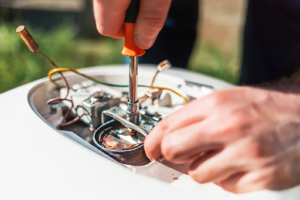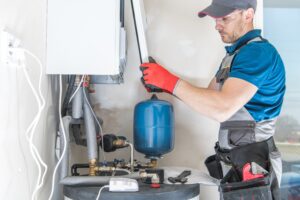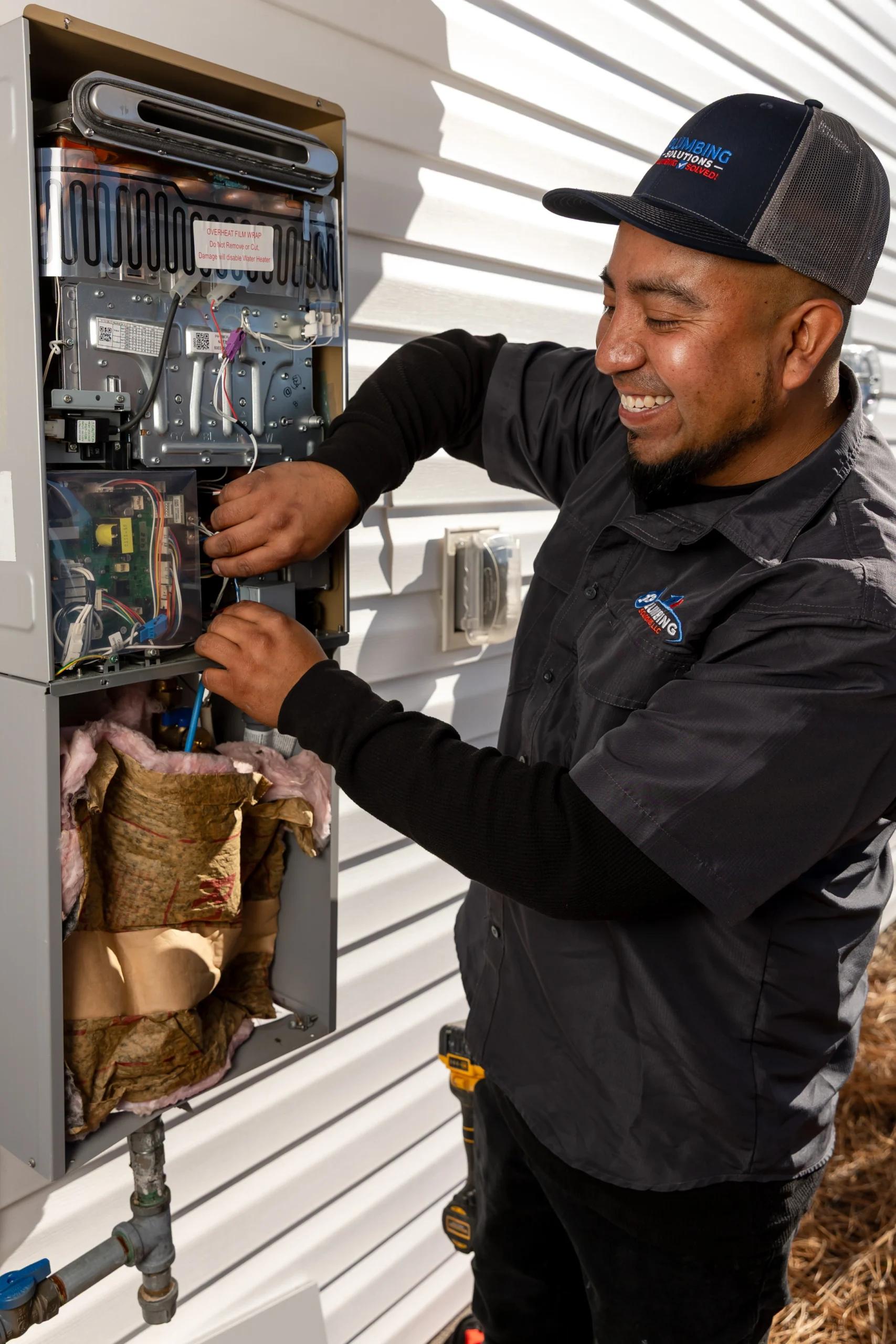
Water heaters are supposed to make your day easier, but a noisy one can be unsettling and frustrating, especially when the noise starts suddenly or gets louder with every use.
While these popping, rumbling, banging, hissing, or knocking sounds can result from various issues, not every one of them indicates a water heater failure.
This blog will explain the meaning behind the most common water heater noises, when the issue may be a simple maintenance problem, and when you need a plumber’s assistance.
Why Water Heaters Make Noise In The First Place
A water heater stores and heats water, so it’s normal for a few movements, expansion, and pressure changes to occur during normal operation. But when the noise becomes repeated and loud, it often points to something specific inside the tank or plumbing system.
These noises can result from various problems, such as sediment buildup, pressure changes, loose pipes, restricted valves, or aging parts. While it is normal to have some movement, ignoring loud sounds can lead to increased trouble afterward.
What A Popping Noise Actually Means
A water heater that makes a popping noise can often have sediment buildup at the bottom of the tank. The minerals from the water can settle at the bottom of the tank over time, forming steam bubbles that pop through the buildup as the water heats
The sediment buildup often slows hot water recovery and places extra strain on the tank when ignored for too long.
Why Rumbling Often Points To Sediment Buildup
The rumbling sound isn’t just an annoying noise to ignore; it is a sign that the tank is struggling to heat water efficiently and needs water heater maintenance. While flushing can be the solution in some cases, a heavy buildup requires water heater repair before it disrupts hot water flow.
What A Banging Or Knocking Sound Can Mean
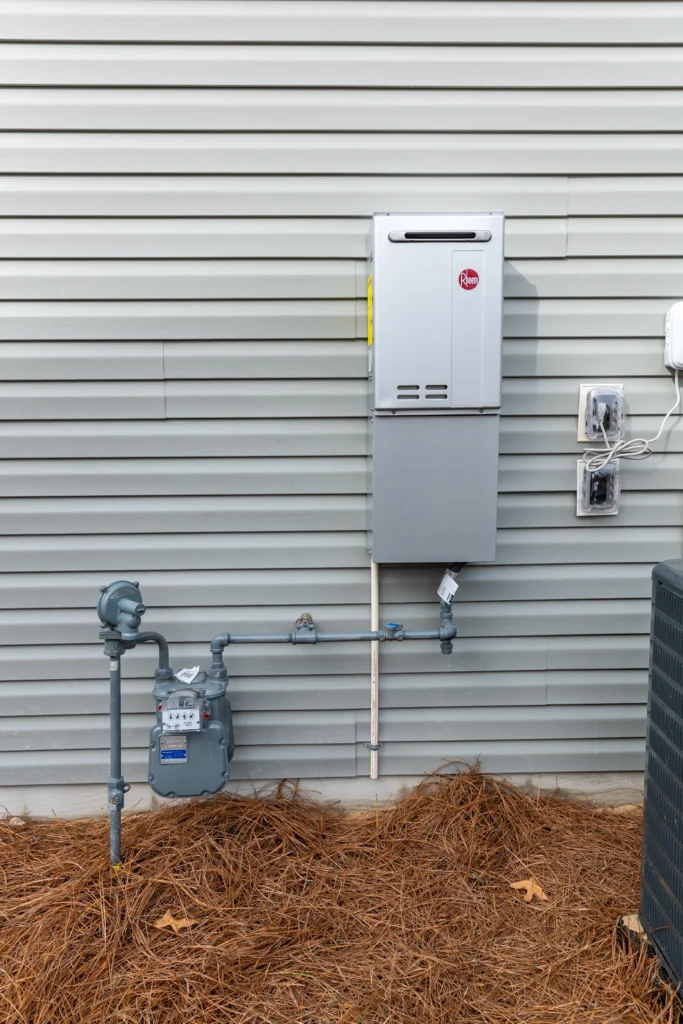
A noisy water heater that makes a loud banging or knocking sound may be due to “water hammer”, which occurs when the sudden stop of moving water can cause shock waves through the pipes. However, a banging or knocking pipe can also result from loose piping, high water pressure, or fast-closing valves.
The repeated banging may indicate that water heater maintenance is needed, especially when the sound occurs when turning the fixtures on or off.
When Hissing, Screeching, Or Sizzling Sounds Are Different
Not all water heater noises are caused by sediment buildup.
- Hissing: Caused by moisture, a pressure issue, or water coming into contact with a hot surface.
- Screeching: Restricted water flow through a valve.
- Sizzling: Occurs around gas heaters when water drips onto a hot burner.
It is the right time to call the plumber when these sounds are accompanied by moisture, leaks, reduced hot water, or visible corrosion.
Why Noise Alone Does Not Tell The Whole Story
While two homes can have the same noisy water heaters, the noise doesn’t necessarily come from the same cause. One popping water heater can be due to sediment buildup, while the other can point to pressure or a failing part.
A sound can indicate a problem in a water heater, but it is not always the final diagnosis. A professional water heater service can help in inspecting the tank, valves, connections, pressure, and overall condition.
Can Flushing Fix A Noisy Water Heater?
When a water heater has light sediment buildup that makes the popping noise, flushing can be a temporary fix. However, if the tank hasn’t been flushed in years or the sediment buildup has hardened, flushing won’t remove everything. Water heater maintenance can help in some cases, but an older or severely affected water heater needs repair or replacement advice from a plumber.
When A Noisy Water Heater Needs Professional Attention
It might be time to call a plumber or professional help when:
- The noise is new, loud, or getting worse
- Hot water runs out faster than usual
- Water looks rusty or discolored
- There is moisture around the base of the tank
- The water heater is leaking
- The unit is older and has not been maintained
- The noise happens with pressure changes in the home
- The pilot light, breaker, or heating performance is inconsistent.
These signs can often point to serious issues that can cause damage when ignored for too long.
What A Plumber Checks During A Water Heater Inspection
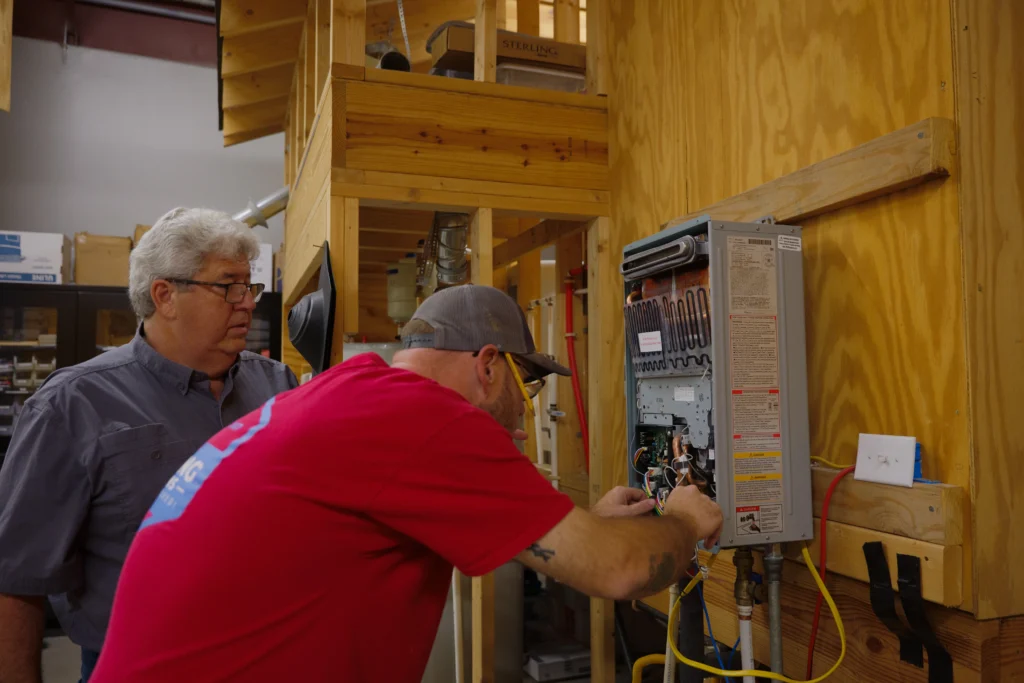
While the noises suggest issues with the water heater, a professional plumber can verify the problem. Our certified plumbers check the tank condition, water pressure, temperature setting, valves, supply lines, visible corrosion, burner and heating element performance, and signs of leakage.
A plumber can recommend whether flushing will work best in cases of sediment buildup or if the tank is old or aging and requires repair or replacement.
Why You Should Not Ignore Repeated Water Heater Noise
The noisy water heater often gets neglected because the hot water production is normal, but these noises aren’t just temporary sounds; they can severely disrupt or damage the system. While Sediment can affect efficiency, pressure issues can strain plumbing, and leaks can worsen quickly if they go unnoticed for long.
Early attention and water heater maintenance and repair can prevent the disruption before it’s too late.
Why Plumbing Solutions LLC For Water Heater Problems
We are practical, organized, and solution-focused., Our licensed plumbers help you understand what the sound is connected to, carefully inspect the system, and recommend the next right step. Whether the issue calls for maintenance, repair, pressure adjustment, or replacement, we provide a clear answer rather than guesswork.
Need Help With A Noisy Water Heater?
Noisy water heaters are not just annoying they can be a sign of different problems, from sediment buildup to pressure changes and leaks. If you have a noisy water heater system, call Plumbing Solutions LLC to inspects the unit, identify the cause, and help you decide whether maintenance, repair, or replacement is the best next step.
Schedule water heater maintenance for noisy heaters and prevent disruptions to your system.