


You plunge the clog, and it drains. A week later, it is slow again. You try a store-bought cleaner; it clears, then clogs again. Such recurring drain problems are one of the most common (and frustrating) plumbing complaints in South Carolina homes. The fix seems to work, but it never really lasts.
This guide explains why clogged drains keep coming back, what DIY fixes typically miss, the warning signs of a deeper issue, and when professional drain cleaning is the best long-term solution.
Why Some Drain Clogs Never Fully Go Away
Most recurring drain clogs are not new problems; they are the same blockage repeating. DIY methods often create temporary flow by poking through the soft center of a clog.
These DIY fixes usually leave grease, soap residue, hair, scale, and debris along the pipe walls. The drain runs normally for a while, then the remaining buildup catches more material, and the clog reforms.
Where DIY Fixes Shine And Where They Fall Short
Simple DIY steps can help with minor blockages. For example, a plunger may dislodge a soft clog enough to restore drainage for a while.
- A small hand snake may break through part of an obstruction without completely clearing the line.
- A store-bought chemical cleaner may loosen some initial buildup while leaving more buildup farther down the pipe.
This proves that DIY hacks are useful for small issues, but are not enough to address a recurring drain clog.
The Most Common Reasons Drain Clogs Keep Returning
Some of the most common reasons for drain clogs to repeat are:
- Grease and soap buildup coat the interior of the pipe over time.
- Hair and grooming debris are collecting in the bathroom lines.
- Food scraps and sludge are accumulating in kitchen drains.
- Flushable wipes and hygiene products are causing partial blockages.
- Mineral scale narrows older pipes from the inside.
- An improper drain slope allows waste to settle rather than flow out.
- Tree roots intrude into exterior sewer lines.
- A damaged or aging pipe keeps trapping debris.
If the same drain keeps clogging, the cause is almost always one of these.
Kitchen Drains And Bathroom Drains Re-Clog For Different Reasons
Not all drain problems occur the same way. While kitchen drains usually handle grease, cooking oils, food particles, coffee grounds, and soap residue, bathroom drains collect hair, toothpaste, shaving residue, and soap scum. These materials bind together and catch more debris with each use.
The type of buildup matters because the wrong fix may move part of a blockage without removing what is actually causing the slowdown.
Why Chemical Drain Cleaners Rarely Solve The Bigger Problem
Chemical cleaners are marketed as simple solutions, but they often do not remove the clog or clean the pipe walls. They may have a limited effect against dense grease accumulation, mineral scale, or root intrusion.
Repeated chemical use also does not solve whatever is causing the clog to keep forming. It treats the symptom temporarily, not the underlying condition.
A Slow Drain Is A Warning Sign, Not A Minor Inconvenience
Slow drainage, occasional gurgling, water backing up, or persistent odors from the drain are easy to overlook. Most homeowners wait until the drain stops completely before calling for help.
By that point, the blockage has had more time to build and spread. Catching a slow drain early, before it becomes a full backup, is almost always less disruptive and less costly.
When A Recurring Clog Points To A Deeper Problem
Repeated clogs may indicate deeper line conditions, including pipe bellies, corrosion, scale in older piping, misaligned joints, root intrusion, or a developing sewer line issue. This is especially relevant when more than one fixture is draining slowly at the same time, or when clogs appear in tubs, toilets, and sinks together. That pattern usually means the problem is in the main line, not the individual fixture.
Signs The Problem May Be Beyond A DIY Fix
These patterns suggest a more serious blockage or pipe condition:
- The same sink, tub, or shower keeps clogging over and over.
- Multiple drains are slow simultaneously.
- Gurgling sounds appear after using nearby fixtures.
- Foul odors keep returning even after clearing the drain.
- Water backs up in a different fixture when another is used.
- The clog returns shortly after plunging or snaking.
- Lower-level drains or outdoor cleanouts show signs of backup.
Any one of these is worth paying attention to. If you notice these signs, call for a professional inspection.
Why Professional Drain Cleaning Lasts Longer
Professional drain service does more than just clear a clog. Licensed plumbers perform a detailed inspection to identify the location of the restriction, its material, and the extent to which it needs to be removed.
The goal is to restore proper flow more completely, not create a short-term opening that refills within days.
How Plumbers Diagnose a Recurring Drain Problem
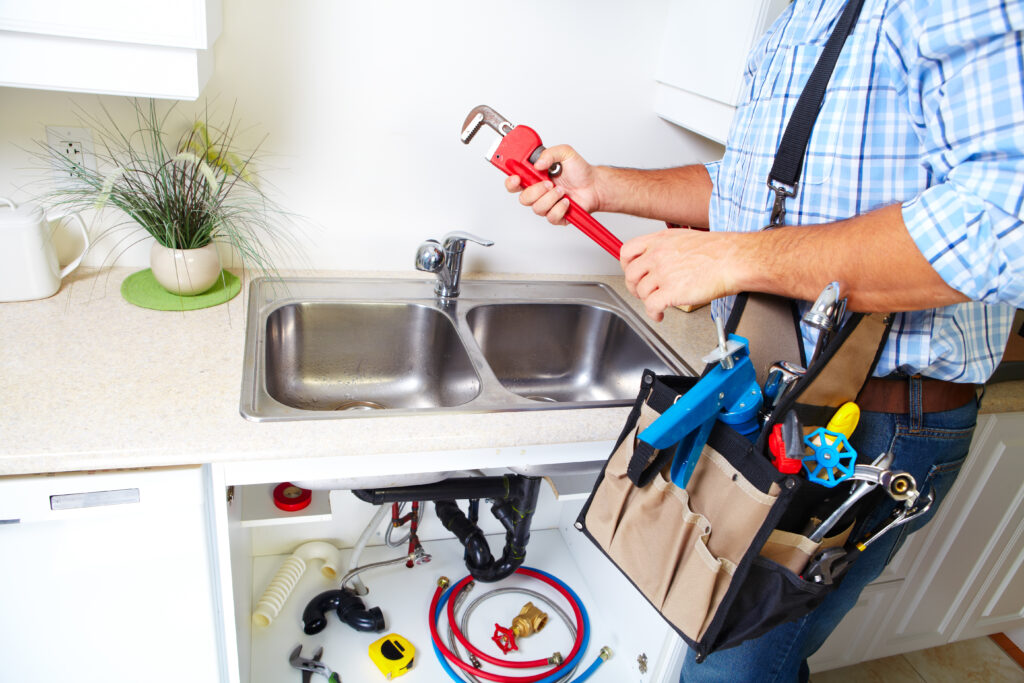
Recurring clogs need a methodical diagnosis. This is how licensed plumbers diagnose repeated drain clogs:
- Review the history of the clog and which fixtures are affected.
- Determine whether the issue is limited to one drain or is system-wide.
- Test drainage and inspect accessible areas.
- Use the appropriate equipment to clear or evaluate the line.
- Recommend the next step based on whether the cause is a buildup, a blockage, or a pipe condition.
Tools That Clear More Than Just The Immediate Blockage
Different drain problems need different tools:
- Professional Snaking: Breaks through tougher obstructions that a hand snake cannot reach.
- Camera Inspection: Confirms whether the problem is buildup, root intrusion, pipe damage, or a line condition further down.
- Hydro Jetting: Cleans pipe walls more thoroughly, preventing residue from reforming clogs. This tool is recommended when buildup is the recurring cause.
Licensed plumbers select the right tool based on the diagnosis for a more targeted fix.
What Homeowners Can Do To Help Prevent Repeat Clogs
Follow the guidelines below to prevent repeat clogs:
- Avoid pouring cooking oils down kitchen drains.
- Use drain strainers in showers and bathroom sinks.
- Do not flush wipes or hygiene products, even those labeled flushable.
- Be cautious about what goes into a garbage disposal.
- Pay attention to slow drains before they become full backups.
If you have already taken the prevention measures, but clogs keep returning, the problem is usually in the line itself.
When It Is Time To Call For Professional Drain Help
If clogs keep returning after DIY attempts, multiple fixtures are draining slowly, bad odors persist, or water backs up unexpectedly, it’s time to seek professional drain help.
Recurring clogs are almost always cheaper to address before they turn into a full drain or sewer backup. The longer the problem is left, the more it costs to fix.
Why Plumbing Solutions LLC For Recurring Drain Problems
Plumbing Solutions LLC does not just treat the symptom. Licensed plumbers work to identify why the drain keeps clogging, explain the issue clearly, and recommend the most sensible next step based on the actual condition of the line, rather than suggesting a standard package.
Need Help With A Drain That Keeps Clogging?
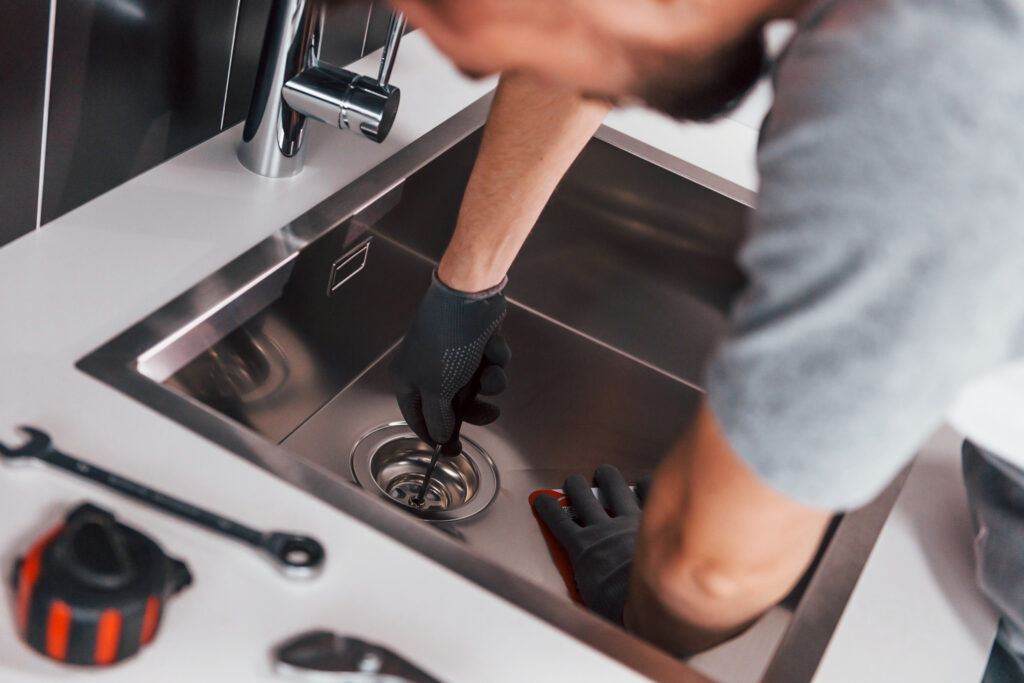
If a sink, shower, tub, or main line keeps backing up after DIY fixes, Plumbing Solutions LLC can identify the root cause and recommend a more permanent solution.
Plumbing Solutions LLC provides professional drain cleaning, camera inspection, and hydro jetting services for residential and commercial properties across South Carolina, with same-day service for situations that cannot wait.
Book an inspection with Plumbing Solutions LLC before a recurring drain problem turns into a full backup.


